
Lower income, repair first
Median household income here runs lower than the broader service area's $163,199, which is part of why we try to repair rather than replace whenever the rest of the door and opener are sound.
San Leandro, Alameda
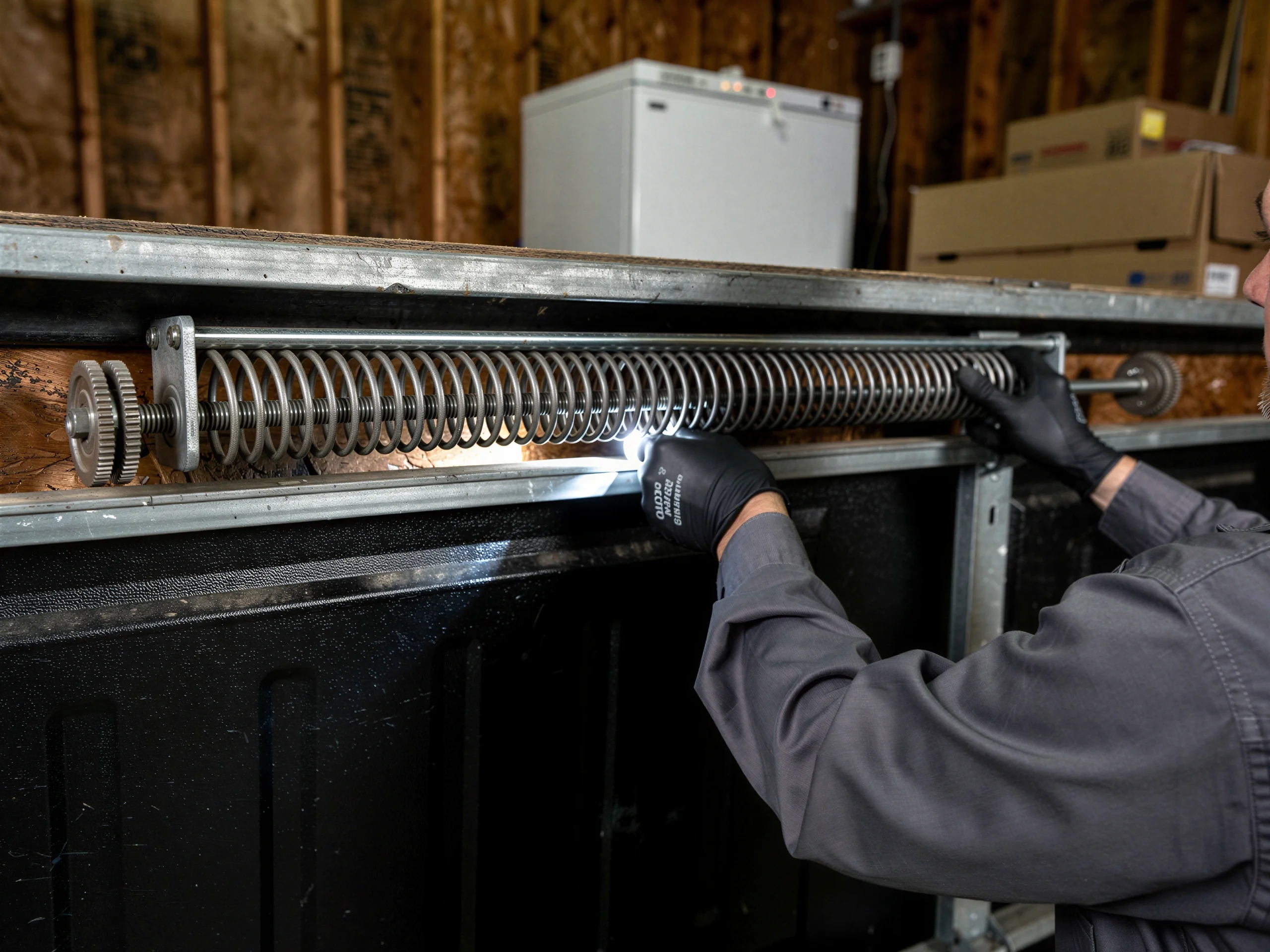
San Leandro's housing runs older than the service area average, which means more torsion springs on tapered shafts. Here's what that means for your repair and bill.
Local causes
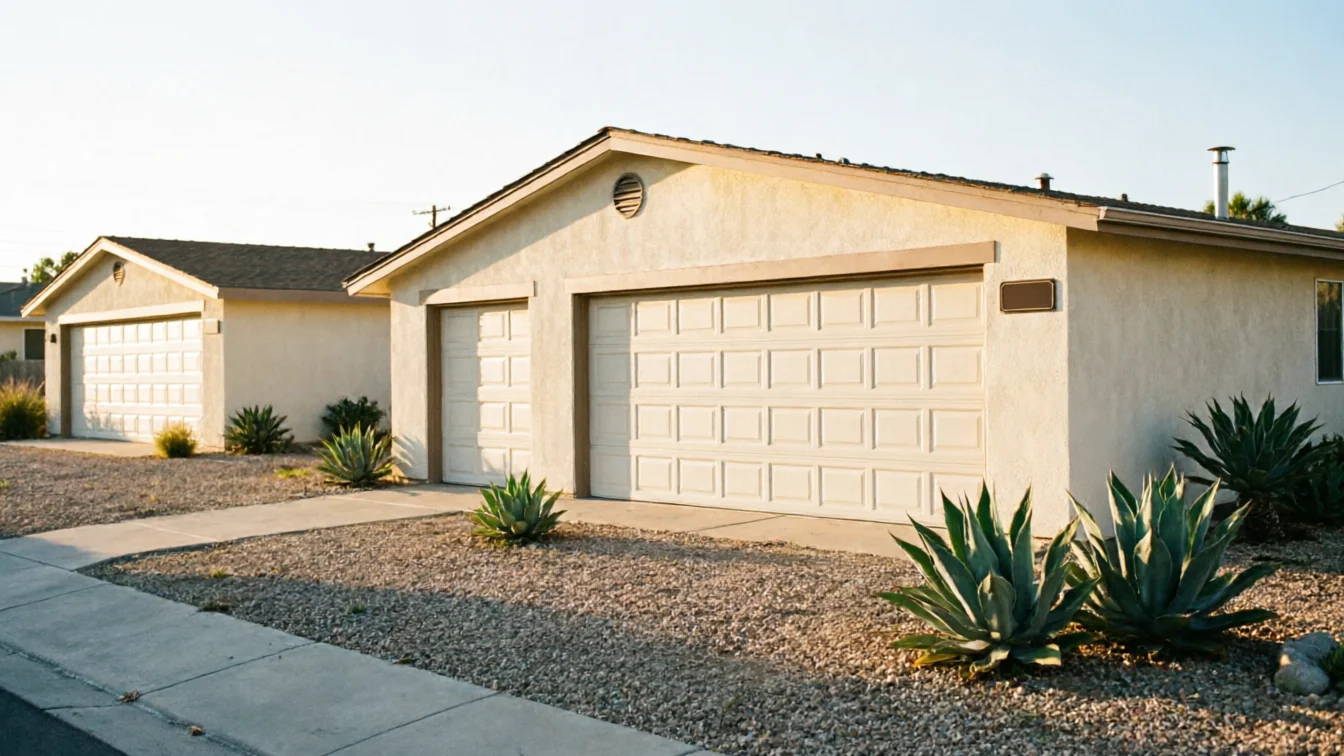
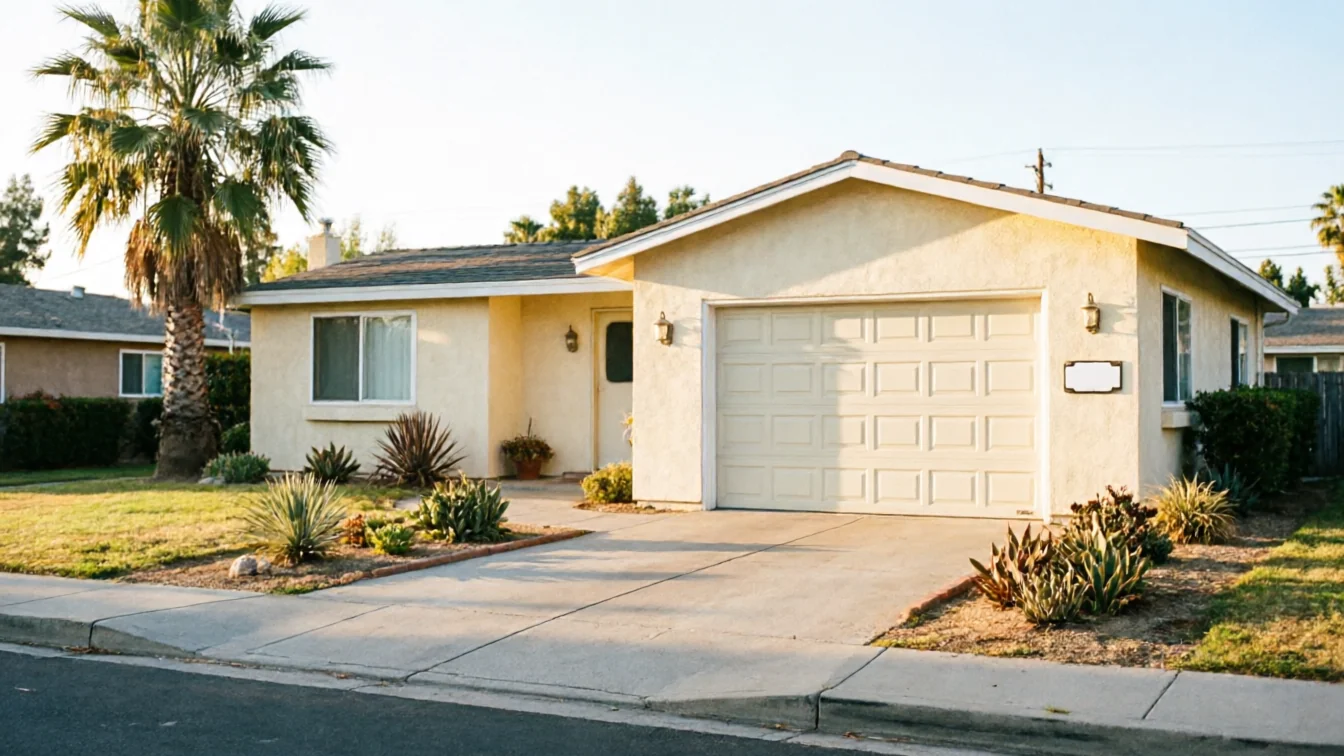
Alameda Garage Door Pros covers the wider service area where homes were built anywhere from 1938 to 2005, with the median landing around 1965. San Leandro sits ahead of that curve - the typical house here went up around 1959, which puts a lot of garages on original or near-original hardware that's now pushing past six decades.
That six-year gap matters more than it sounds. Doors from the late 1950s were still commonly built with tapered torsion shafts and single-spring setups rather than the dual-spring, straight-shaft systems that became standard a few years later. If your spring is original to the house, it's not a drop-in swap - the mounting hardware and the shaft diameter can be different from what a supplier stocks on the truck today.
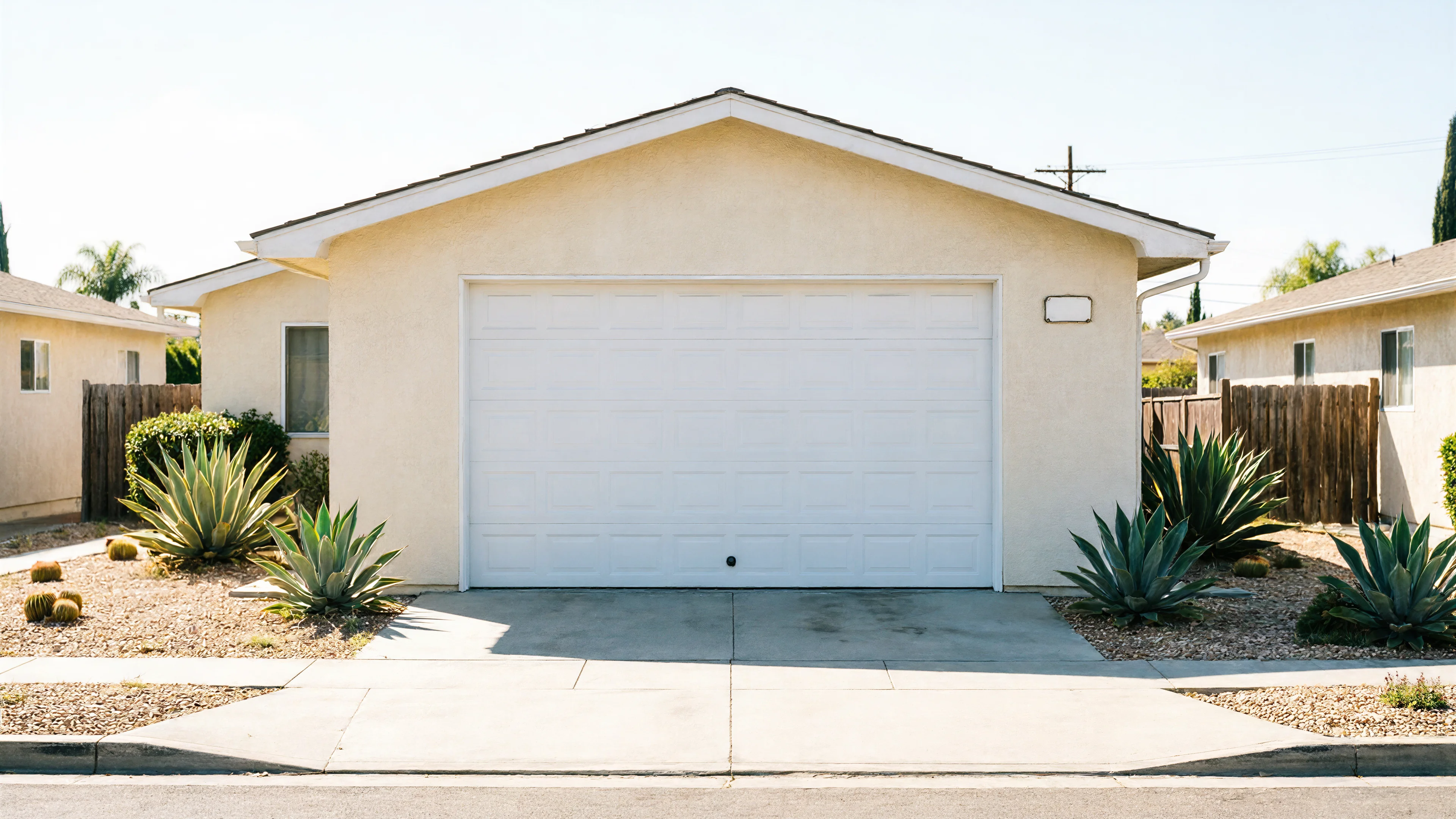
We drive out from Alameda, about 6 miles, so there's no separate local crew or branch here - it's the same techs and the same stock, adjusted for what San Leandro's older garages actually need.
Pricing
We don't publish a flat number for spring jobs because the spring itself varies - torsion vs extension, single vs double, shaft size - and San Leandro's older housing stock pushes more jobs into the 'nonstandard part' category than newer areas do.
Median household income here runs lower than the broader service area's $163,199, which is part of why we try to repair rather than replace whenever the rest of the door and opener are sound.
The honest limitation: if your spring is a discontinued tapered-shaft size, we may need to order it rather than carry it on the truck, and that adds a day or two. We'll tell you on the spot if that's the case rather than guess.
Symptoms
The most common call we get from this stretch is a door that won't budge past a foot or two, or one that slams down hard instead of lowering on its own weight. Both point to a broken or weakened torsion spring. On a single-spring setup - more common in San Leandro's older houses than in homes built after the early 1960s - a full break usually means the door won't lift at all, not even with help, because there's no second spring carrying load.
You might also notice a loud bang from the garage before the door locks up. That's the spring snapping under tension, and it's loud enough that a lot of owners think something fell or hit the house.
Watch-outs
The mild temperate climate across this part of the Bay doesn't put much thermal stress on hardware the way freeze-thaw regions do, so when a spring fails here it's almost always fatigue from age and cycle count, not weather damage.
That's actually good news for diagnosis - we're not chasing a seized cable or a rusted track on top of the spring. Where it goes sideways is the single-spring torsion setups we see more of in San Leandro's older stock.
Swap one spring for a generic double-door replacement part without checking the shaft and mounting bracket, and the door can end up unbalanced - lifting unevenly, grinding on one side, or stressing the opener. We size the spring to the door's actual weight and drum size every time rather than matching by door width alone.
The repair
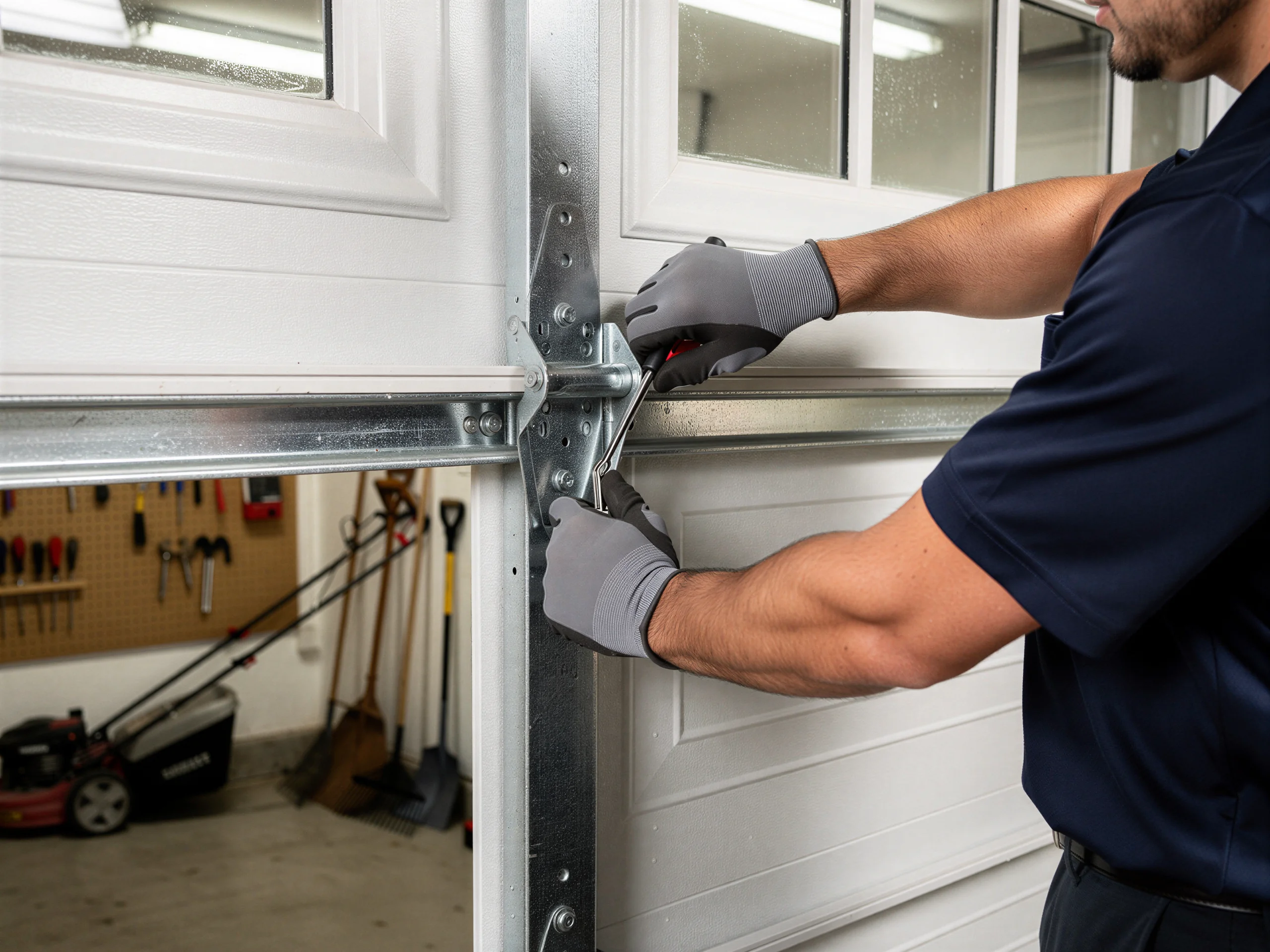
We measure the door's weight and the drum size on the shaft first, not just the door's width, because a 16-foot door built in 1959 can carry a different wind load and panel weight than one built in 1985. From there we match the spring wire gauge and length to that measurement.
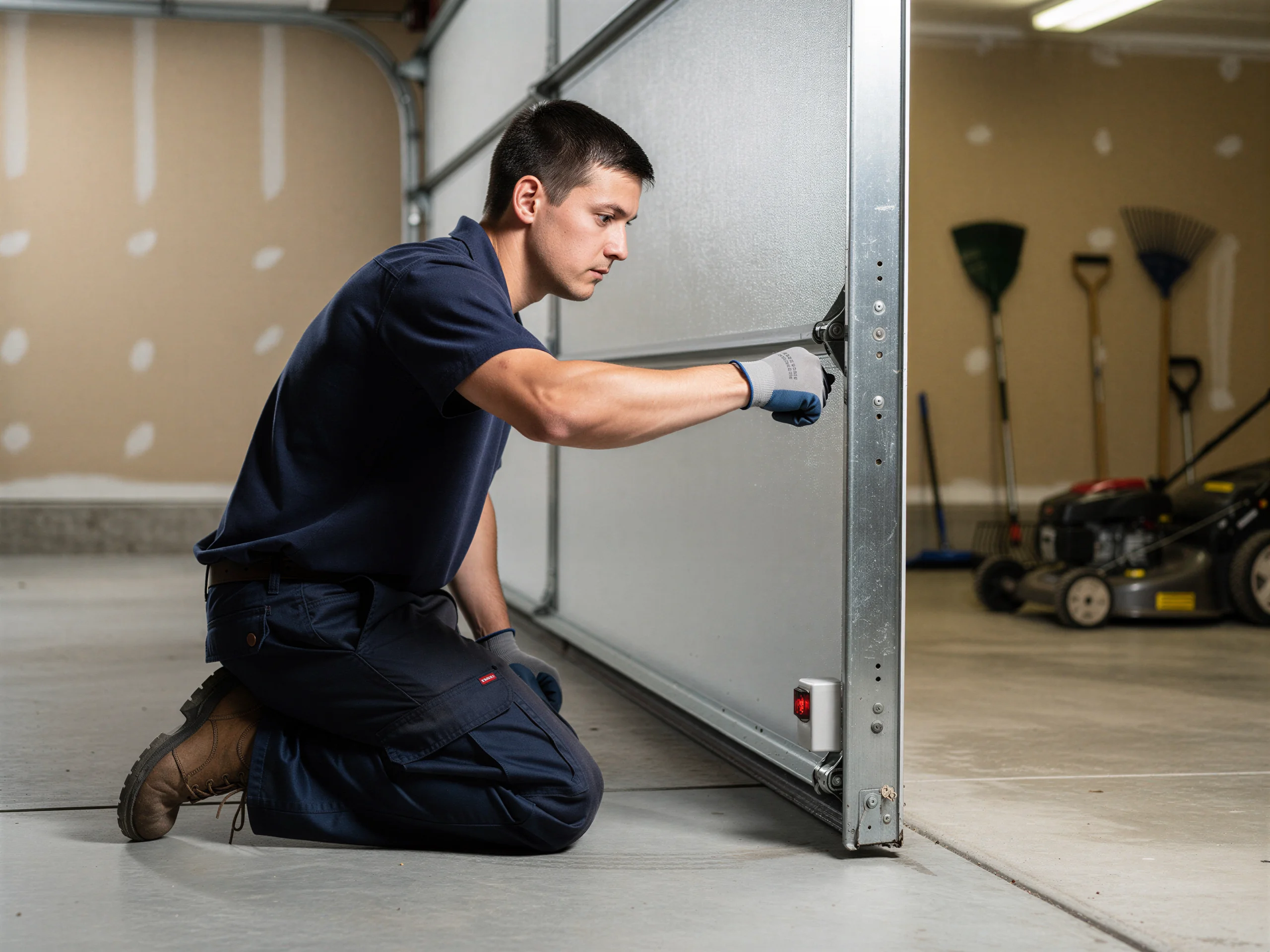
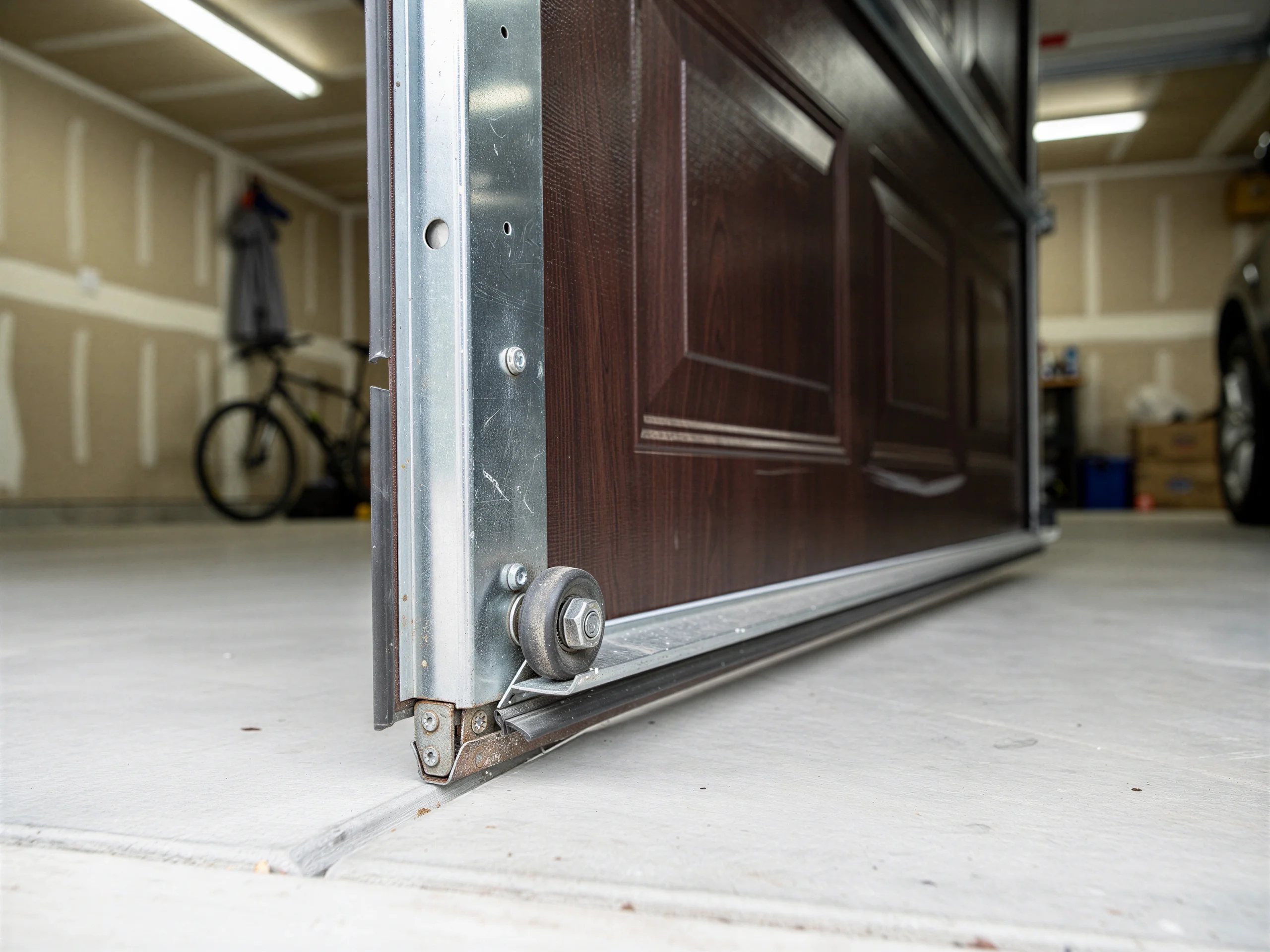
If it's an original single-spring torsion system, we'll talk through whether to replace with the same configuration or move to a dual-spring setup - more parts, but it spreads the load and gives you a backup if one side fails later. We also check the cables and the bottom brackets while the door is unwound, since a spring that's lived 60-plus years has usually got cable wear riding along with it. We don't replace parts that don't need it - if the rest of the hardware is sound, we leave it alone.
Questions
San Leandro's housing runs a bit older on average - median build year around 1959 versus the wider service area's 1965 median - so more garages here still have original tapered-shaft, single-spring torsion systems instead of the dual-spring straight-shaft setups that became standard shortly after.
No. We're based in Alameda and drive out to San Leandro, about 6 miles, for every job. Same techs, same stock on the truck - there's no separate local crew.
Often, yes. If the rest of the door - cables, drums, brackets - is in good shape, we replace just the failed spring. We'll only recommend more work if the inspection turns up wear that would just fail again soon after.
The mild temperate climate here doesn't add much stress from freeze-thaw or extreme heat, so most failures are plain fatigue from cycle count over decades, not weather damage. A spring on a 1959-era door has usually just worn out from age and use.
Explore more
Ready when you are
Alameda Garage Door Pros repairs and installs garage doors, springs and openers in Alameda, CA and the surrounding area.