Local detail
When Waiting Is Fine
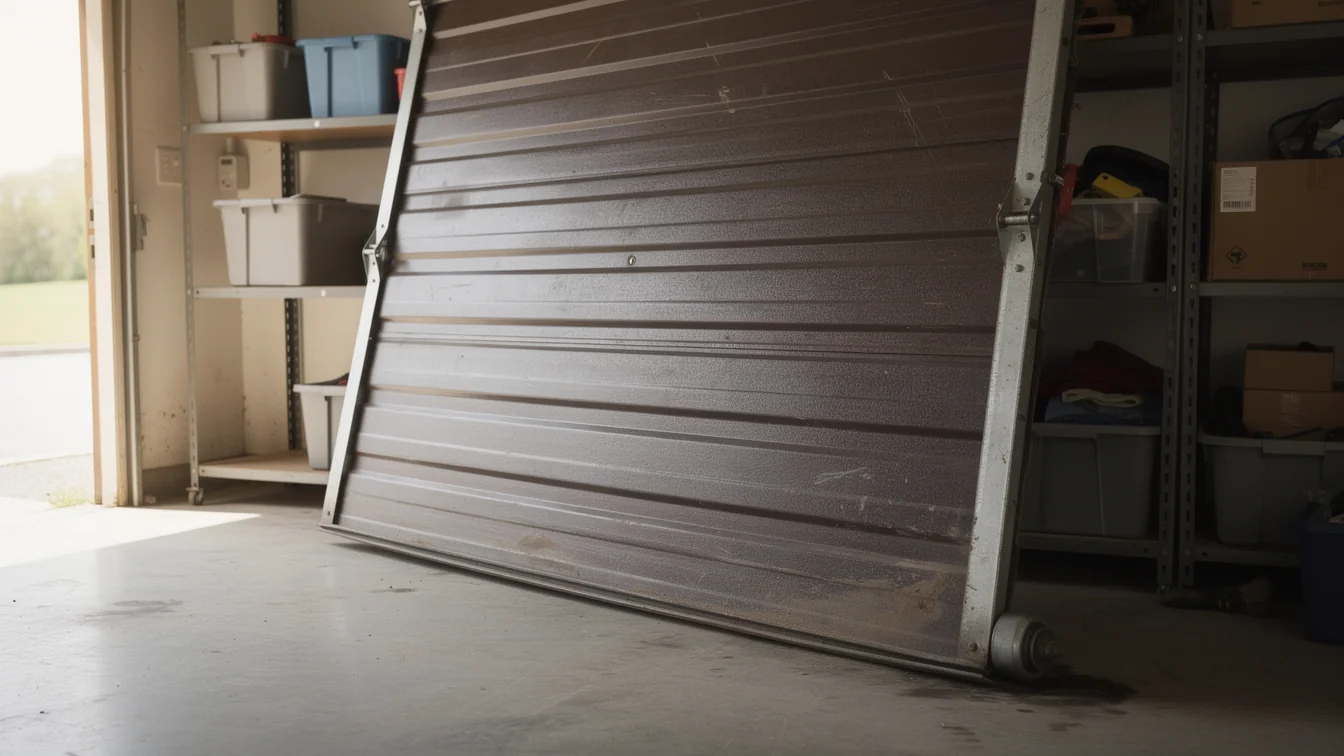
Not every off-track door is an emergency. If the door still opens and closes, just with a scrape or a slight lean at the bottom corner, you can usually wait a few days to get it looked at. Alameda sits in a mild temperate band, so the steel track on these doors isn't fighting the freeze-thaw cycle that pushes rollers out of alignment in colder parts of the country. A track that's a quarter-inch off here tends to stay a quarter-inch off, not get dramatically worse overnight the way it might where temperatures swing hard. That said, waiting is only fine if the door isn't binding, grinding metal-on-metal, or dropping unevenly - any of those means stop using it and call. The door itself won't tell you when a cable is about to let go, and a door that's off track under tension is one of the few things in this trade that can actually hurt someone.
The area
The Common Mistake
The move we see most is someone popping the door back onto the track with a pry bar, a hammer, or just muscle, then calling it fixed. It'll roll again for a while. Alameda's housing stock mostly dates to the 1960s and 70s, which is the era when track brackets were lag-bolted straight into the wood jamb rather than tied into reinforced framing. Forcing a bent track back into shape by hand doesn't restore the bracket's original hold on that jamb - it just moves the problem down the track a few inches. The second mistake is replacing only the roller that popped out and ignoring the section of track it popped out of. If the track itself is bent, a new roller rides it the same way the old one did, and you're back here in a month. Straightening track by eye without a level is a guess, and on doors this old the guess is usually wrong by enough to matter.
What we find
What Is Going On
Most of the time a door comes off track for one of three reasons: a bent track section, a broken or badly worn roller, or a bracket that's worked loose from the jamb. On a house built anywhere from 1938 to 2005 - which covers most of Alameda, with the typical build year sitting around 1965 - the track hardware is often original or a straight swap from decades ago, sized for the door and opener setup of that period. When one roller fails, the door's weight shifts unevenly onto the rollers next to it, and that's usually what bends the track, not the other way around. Loose brackets are the quieter cause: the lag bolts back out a turn or two over the years, the track flexes slightly every time the door runs, and eventually it flexes enough for a roller to jump the rail. None of this is dramatic until the day the door won't move at all.
How we work
What the Weather Here Does to It
Alameda's mild temperate climate means the track metal isn't expanding and contracting through big daily or seasonal swings the way it does in a continental climate, so thermal movement isn't the main driver of track problems here the way it is elsewhere. What it does mean is that corrosion and wear happen slowly and quietly rather than getting masked by a dramatic weather event - a slightly loose bracket or a worn roller can sit at
Talk to a local pro
Garage door trouble in Alameda?
Same-day service with honest, upfront quotes.