Local detail
When Waiting Is Fine
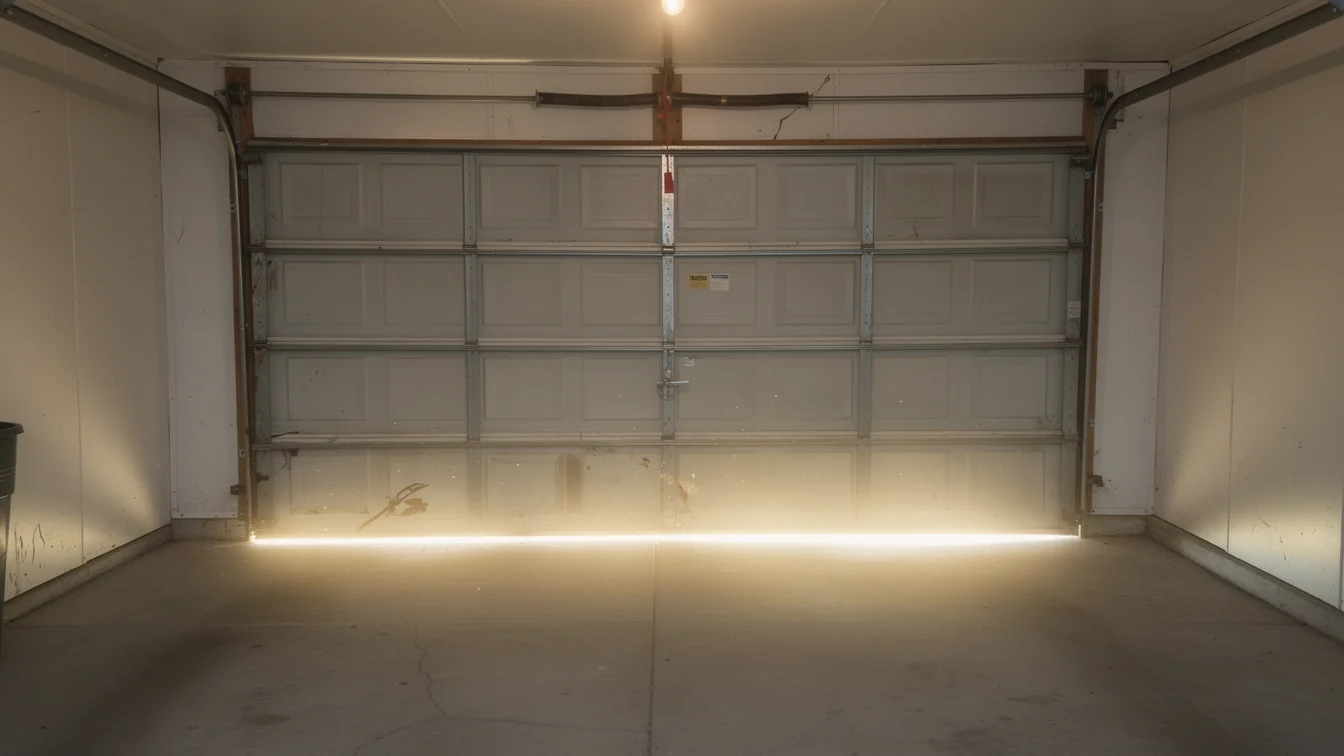
Most houses on the island went up between 1938 and 2005, with the median build year sitting around 1965. That means a lot of garage doors out there are original or close to it, and a surprising number of them are still fine. If the door opens and closes without binding, the springs aren't rusted through, and the panels aren't warped, you don't need to do anything yet. A stiff roller or a noisy hinge on a door from that era is normal wear, not a sign the whole unit is failing. Our mild coastal temperature band here means these doors age slowly compared to places with real freeze-thaw cycles or desert heat swings - there's no urgent reason to replace a door just because of its birth year. We'd rather tell you to wait than sell you a door you don't need yet. Check the track alignment and listen for grinding when it runs. If it's quiet and square, let it keep working.
The area
The Common Mistake
The mistake we see most in this housing stock - built mostly in the 1960s and 70s across the named neighborhoods here - is replacing the whole door when only the spring or the opener has failed. A torsion spring from a 1965-era install is a $100-range part on most doors, but a lot of homeowners assume a door that age is a lost cause and sign up for a full replacement quote instead. The reverse mistake happens too: patching a door whose wood panels have swollen and delaminated from decades of damp coastal air, when the frame underneath is too far gone to hold new hardware straight. Neither mistake is really about age. It's about whether anyone actually opened the door up and looked at what's still sound before pricing the job.
What we find
What Is Going On
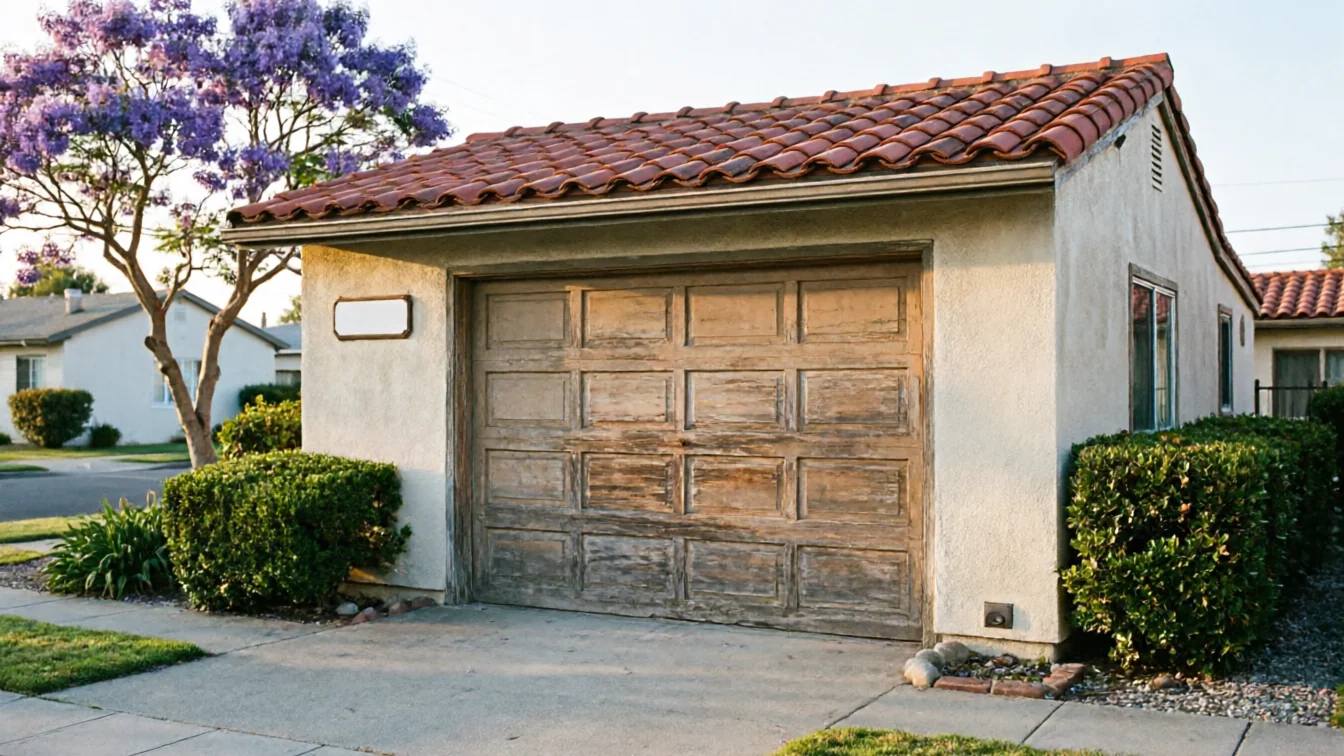
With a median household income of $163,199 across the service area, a lot of folks here can afford to replace rather than repair, and plenty do - but that's a choice, not a requirement, and it skews what gets recommended. A door from the 1965 median build year, if it's steel and the track geometry hasn't shifted, usually has hardware worth saving: springs, cables, and rollers are standardized parts regardless of the door's age. What's often not worth saving is an original wood or early composite panel door from that same era - those materials don't hold up the way steel does, and matching panels for a 50-plus year old design usually isn't possible. The honest answer depends on material more than year built.
How we work
What the Weather Here Does to It
Alameda sits in a mild temperate band, and that's the one thing working in your door's favor. There's no hard freeze to crack a seized spring, no summer heat spike to warp a steel panel, so hardware here tends to last longer in service than the same parts would in a harsher climate. What the coastal air does instead is slow corrosion work on fasteners and bottom brackets over the years - a door that's sat near the bay side for decades can have rust at the bottom corners even if everything above knee height looks new. That's worth checking before you write off a door as too old. One limitation: we can tell you what's salvageable once we're looking at the actual hardware, but we can't give a repair-versus-replace answer over the phone based on the build year alone.
Talk to a local pro
Garage door trouble in Alameda?
Same-day service with honest, upfront quotes.