Local detail
When Waiting Is Fine
Not every noise is an emergency. Alameda's housing stock runs from 1938 up through 2005, with most of it going up in the 1960s and 70s across the island's named neighborhoods. That means a lot of doors out there are original one-piece units on side-mounted torsion hardware that has been quietly doing its job for decades. If your door is slow to open on a cold morning but still opens smooth once it's moving, that's not a reason to call anyone. A little stiffness in an older extension spring, or a roller that squeaks once and then settles, is normal wear on a system that age. We'd rather tell you to grease the track and watch it for a week than send a truck for something that isn't a job yet. Where we draw the line is anything involving the spring itself binding, a cable that's frayed, or a door that drops instead of lowering under control. Those don't wait. Everything else can usually sit until it's convenient, and we'll say so on the phone before we ever quote you a visit.
The area
The Common Mistake
The mistake we see most in Alameda is homeowners assuming a door built in the 1960s or 70s should behave like a door bought last year. It won't, and it isn't supposed to. Original hardware from that era was sized for a lighter door and a different spring cycle count than what's sold today, so when people add insulation panels or swap in a heavier door without upgrading the torsion spring to match, the opener starts straining, and that strain shows up as a motor that labors or a gear that wears out early. The second version of this mistake is treating every symptom as an opener problem because that's the part people can see move. Often the opener is fine and it's the spring or the cable drum doing the actual work. On a service call we check the spring and hardware first, not last, because in a service area where median household income sits around $163,199 and most owners can afford to fix things properly, it's worth doing the diagnosis right instead of replacing the part that happens to be loudest.
What we find
What Is Going On
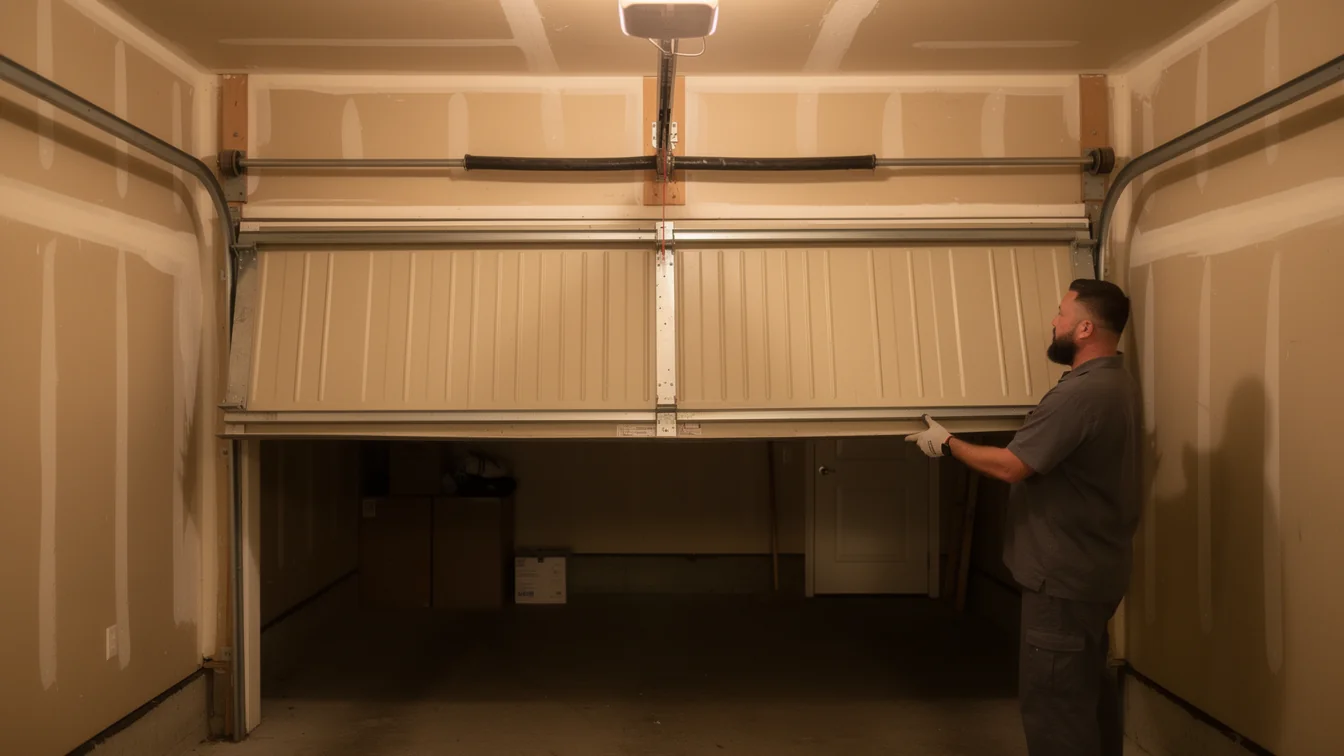
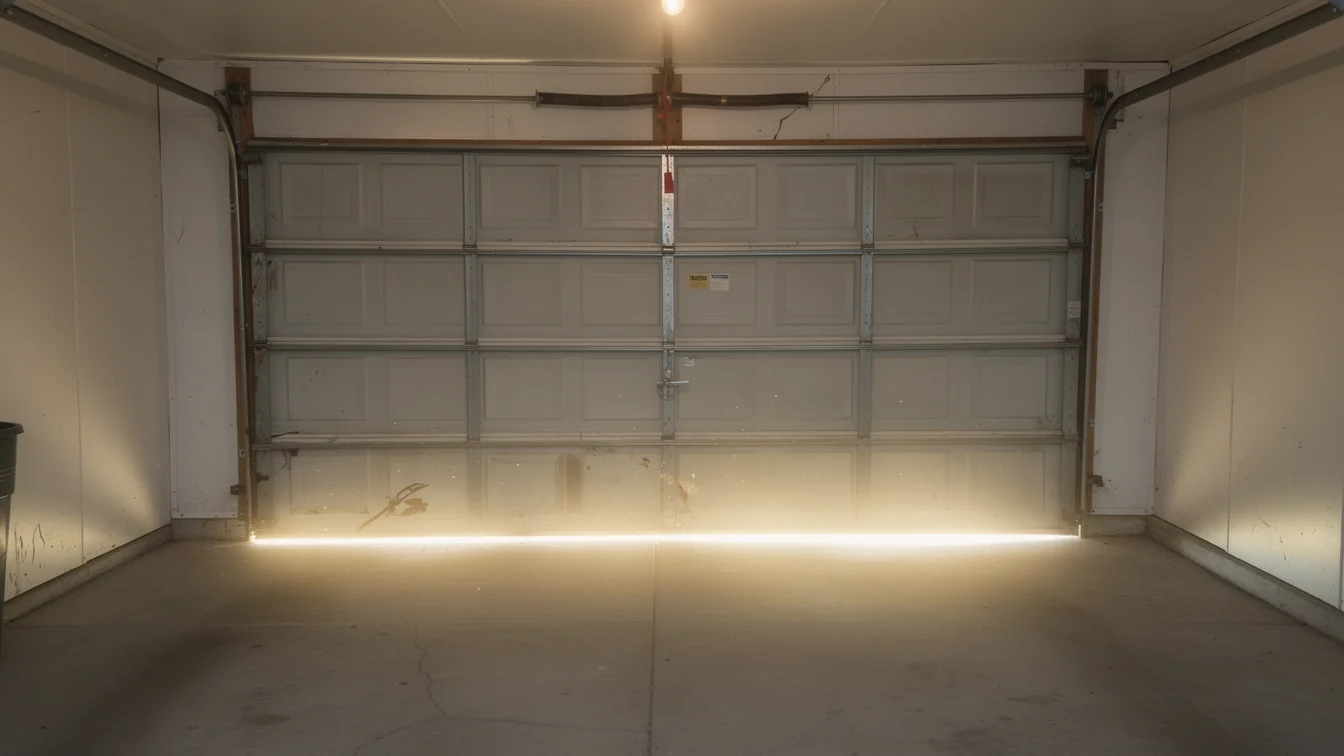
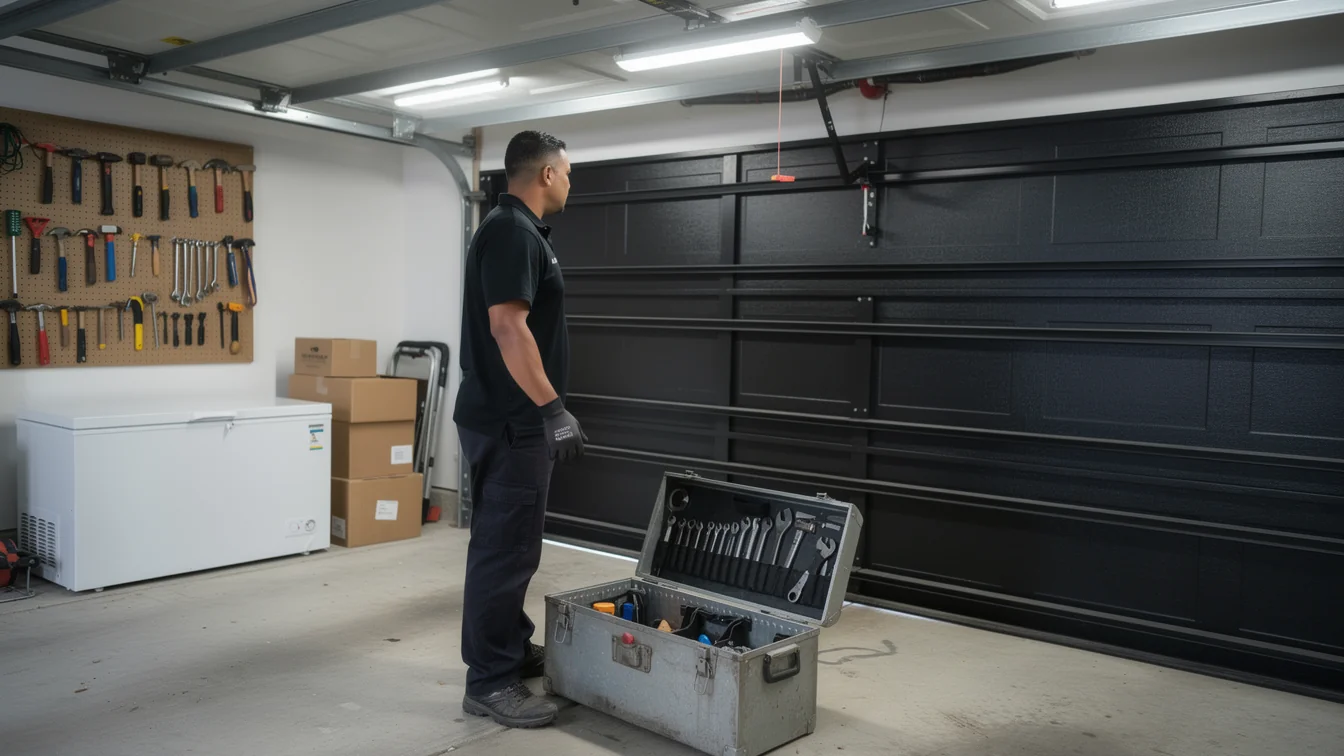
When we come out, we're checking a short list of things that matter on houses from this era: torsion spring wind and wear, the condition of the cable drums, track alignment, and whether the opener's force settings still match the door's actual weight. On a lot of Alameda homes built mid-century, the tracks were set for a narrower door opening than some of the replacement doors installed since, which throws alignment off by a few degrees and shows up as a door that binds on one side. We also look at the panel seams on older doors, since decades of opening and closing can loosen the hinges enough that a panel flexes instead of staying rigid. None of this is guesswork - it's the same five or six points on every call, because those are the points that fail on hardware this age. What we don't do is replace parts that are working just because they're old. If a 1960s spring is still cycling correctly within its rated life, we'll tell you that instead of selling you a new one.
How we work
What the Weather Here Does to It
Alameda sits in a mild temperate band, which sounds like good news for a garage door and mostly is - no freeze-thaw cracking, no extreme heat warping panels. But mild and damp isn't the same as dry. The marine air coming off the bay keeps humidity high most of the year, and that moisture works its way into exposed hardware, especially on doors facing west toward the water. We see corrosion on springs and cable ends that looks older than it is, simply because the metal never fully dries out between damp mornings. Galvanized hardware holds up fine; unprotected steel fasteners on older doors don't. A service call in Alameda usually includes checking for surface rust at the bottom brackets and hinges before it works into a joint, since by the time rust is visible on the track, it's usually already loosened something underneath. This is a maintenance issue more than a weather event - there's no storm season here forcing the pace, just steady coastal damp doing its slow work on hardware nobody's touched since it was installed.
Talk to a local pro
Garage door trouble in Alameda?
Same-day service with honest, upfront quotes.