Local detail
When Waiting Is Fine
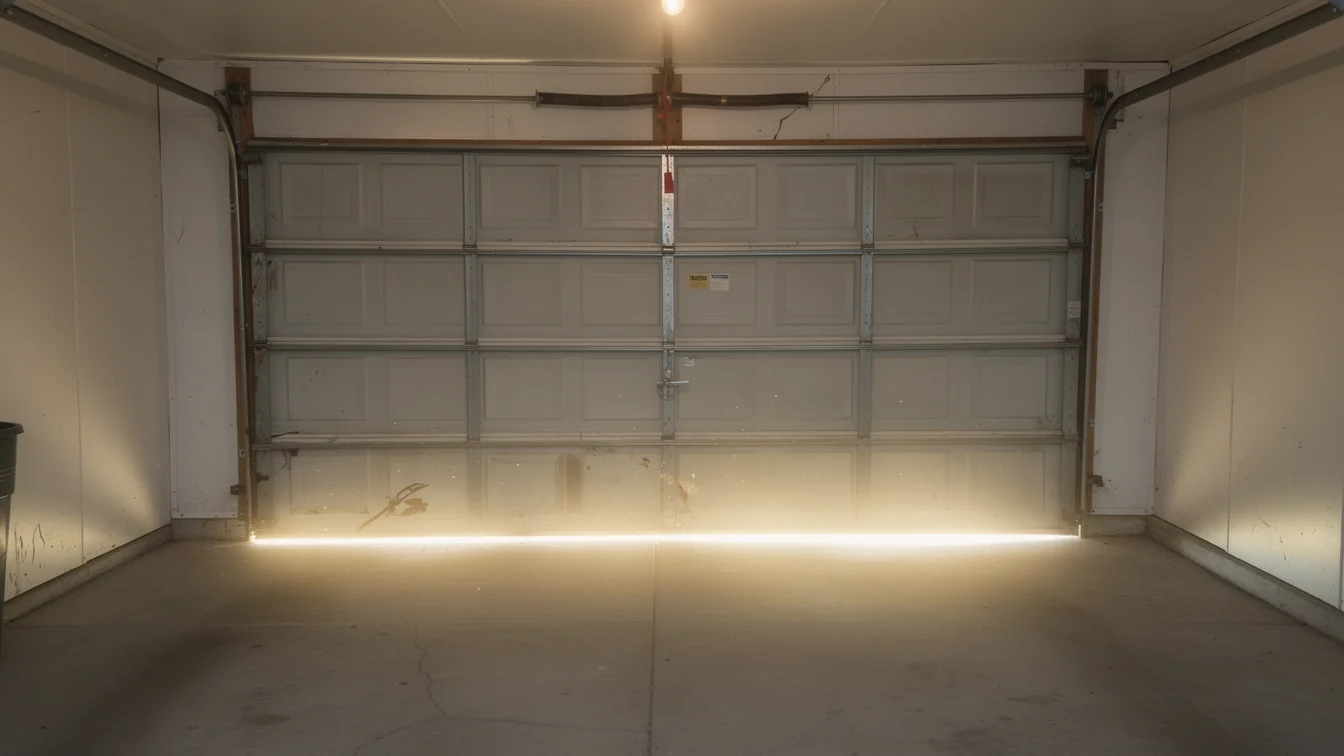
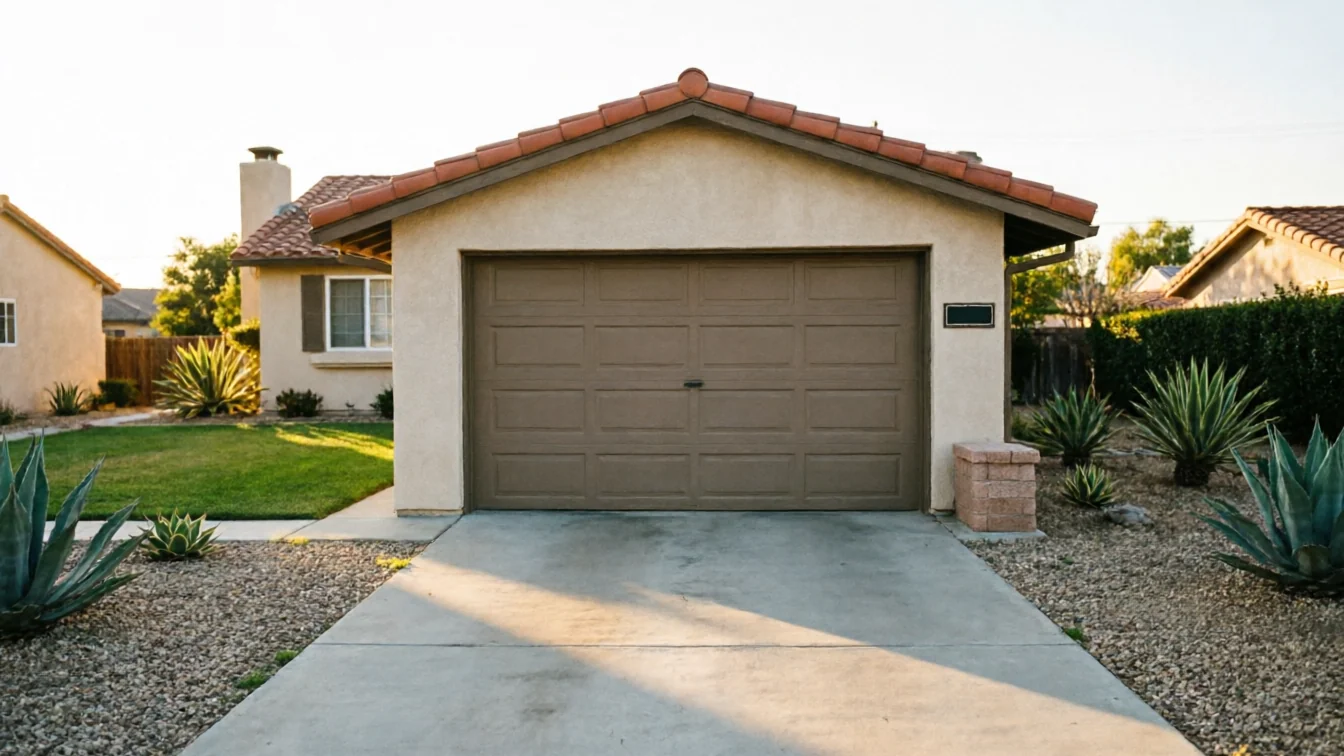
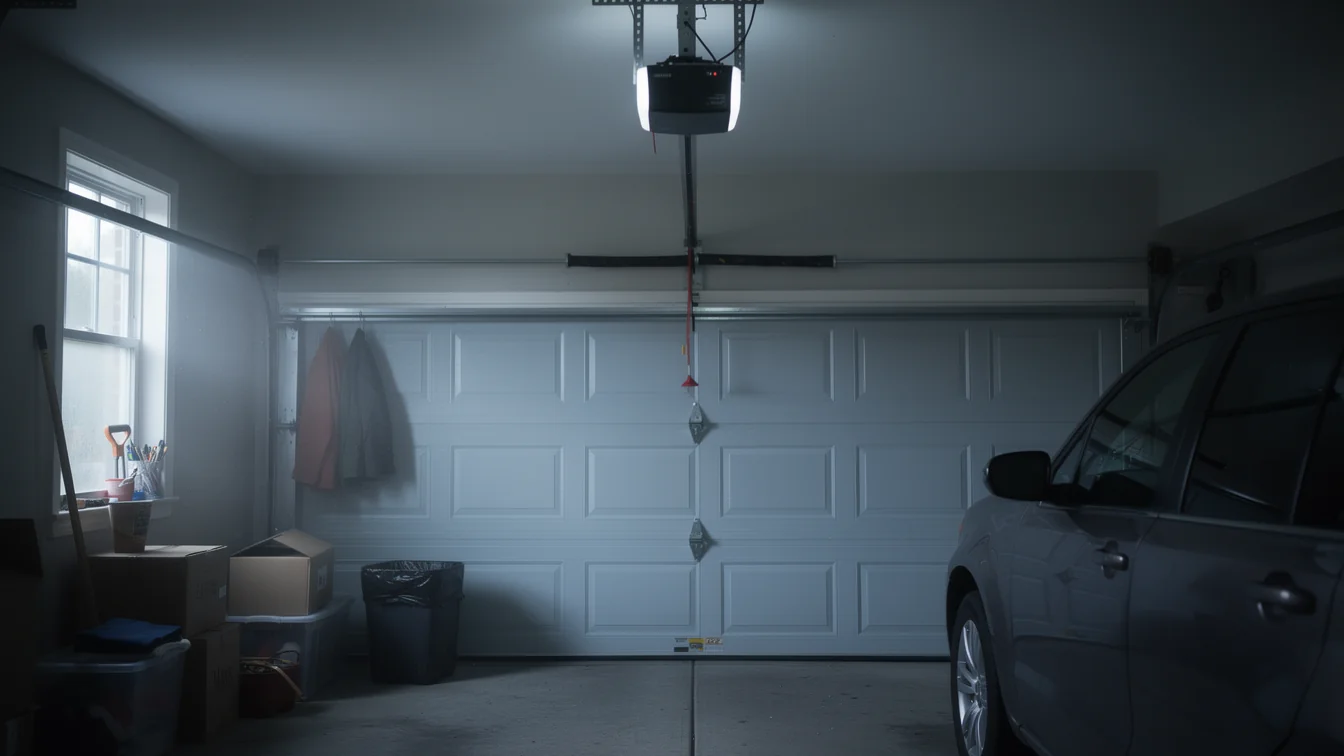
If your door is sagging a little on one side or the opener strains but still closes, you can usually wait a day or two to call. That's not true once a spring has actually snapped - you'll hear it, a flat bang from the garage, and the door won't lift at all, or it'll come down fast and uneven if you try the opener anyway. A lot of Alameda's housing dates to the 1938 to 2005 range, with the median build year around 1965, so plenty of these doors are still running original torsion hardware. If the spring is simply old and making noise, waiting a bit to schedule is fine. If it's broken, don't run the opener again - you risk pulling the cable off the drum or bending the track, and that turns a spring job into a bigger bill.
We'd rather you wait a day for a real appointment than rush a stopgap fix that voids a warranty or knocks a cable loose. If the door is still moving under its own power, even slowly, it's not an emergency. Don't force it.
The area
The Common Mistake
The mistake we see most is someone spraying WD-40 on a noisy spring and calling it done. That's a lubricant for rust, not a fix for metal fatigue, and it does nothing for a spring that's simply reached the end of its wind cycle. Given how much of Alameda's stock was built out in the 1960s and 70s boom, a huge share of these torsion springs have never been replaced - they were sized for the original door weight, not for the heavier insulated panel someone swapped in ten or fifteen years later. That mismatch is what actually breaks springs early, not the weather alone.
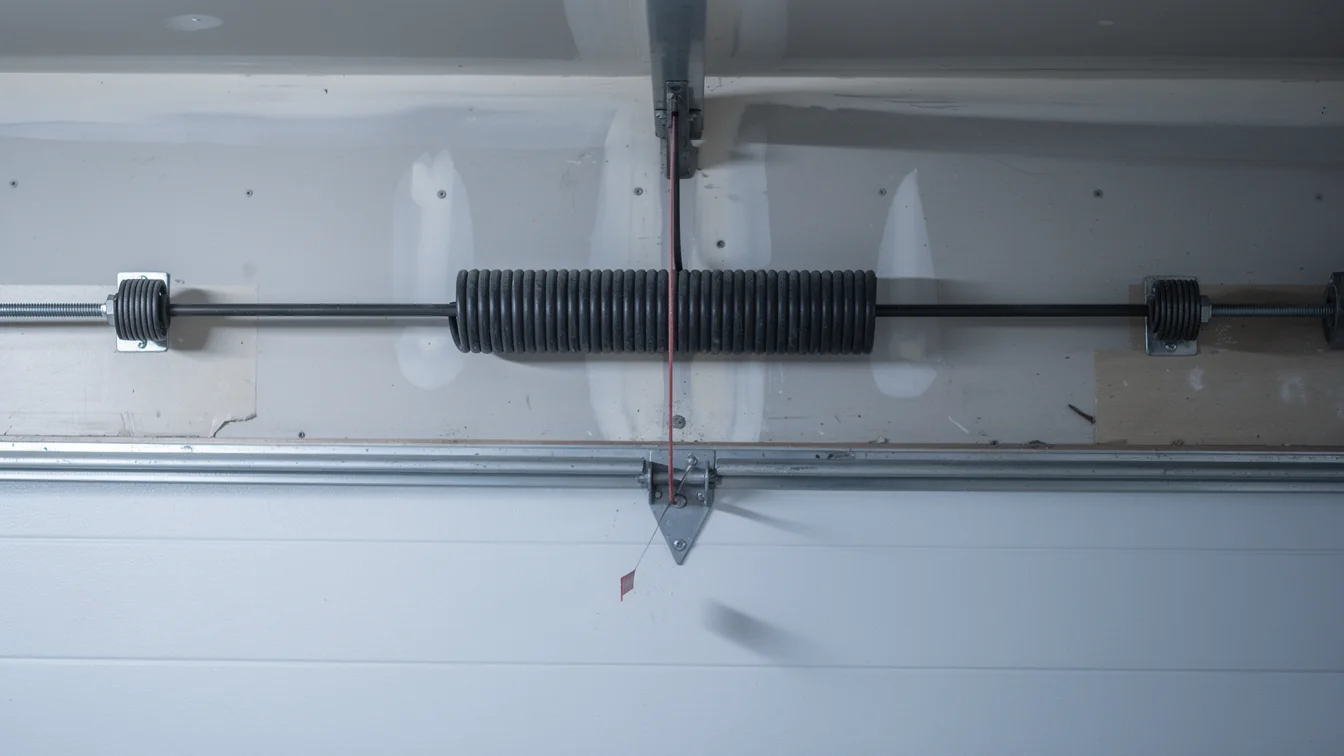
The other common mistake is treating a spring repair as a DIY job because the parts look simple. Torsion springs are wound under real tension, and the bar can take an eye out if it's released wrong. We won't talk anyone through doing this one themselves - it's one of the few repairs on a garage door where we think the risk outweighs the savings.
What we find
What Is Going On
A spring doesn't break because of one cold morning. It breaks because it's been cycling for years - every open and close is a flex cycle, and torsion springs are rated for a set number before the steel fatigues. On a door from the 1960s or 70s, that count has usually been reached a long time ago, and the spring is just waiting for the moment it finally lets go. Cold snaps and damp mornings are often that moment, not the cause.
We also see this more on doors in older Alameda homes that were never upgraded when the panel or opener changed. A heavier door on an old spring shortens the spring's remaining life fast, sometimes by years. If you're replacing an opener or panel, it's worth asking whether the spring was sized for what's going on the door now, because mismatched weight is the one thing that turns a twenty-year spring into a five-year spring.
How we work
What the Weather Here Does to It
Alameda sits in a mild temperate band - we don't get the hard freezes that snap brittle steel the way colder inland towns do. But mild doesn't mean dry. The bay fog and overnight damp here work rust into spring coils slowly, over years, and a spring with surface rust is weaker than it looks. That's the Alameda version of "cold weather breaks springs": not a sudden freeze, but steady moisture plus age catching up with 1960s-era hardware all at once on a cold, damp night.
We can't tell you the exact night a given spring will go. What we can tell you is that a spring showing rust, a stretched gap in its coils, or a door that's noticeably heavier to lift by hand is close to the end, regardless of the forecast. On this island, moisture does more long-term damage to old springs than temperature ever will.
Talk to a local pro
Garage door trouble in Alameda?
Same-day service with honest, upfront quotes.