
Heavy-feeling door movement
Sometimes it's quieter than that: the door just feels heavier than it used to, like something is dragging. These are the calls we get most from houses built between 1938 and 1965, which covers a lot of Alameda.
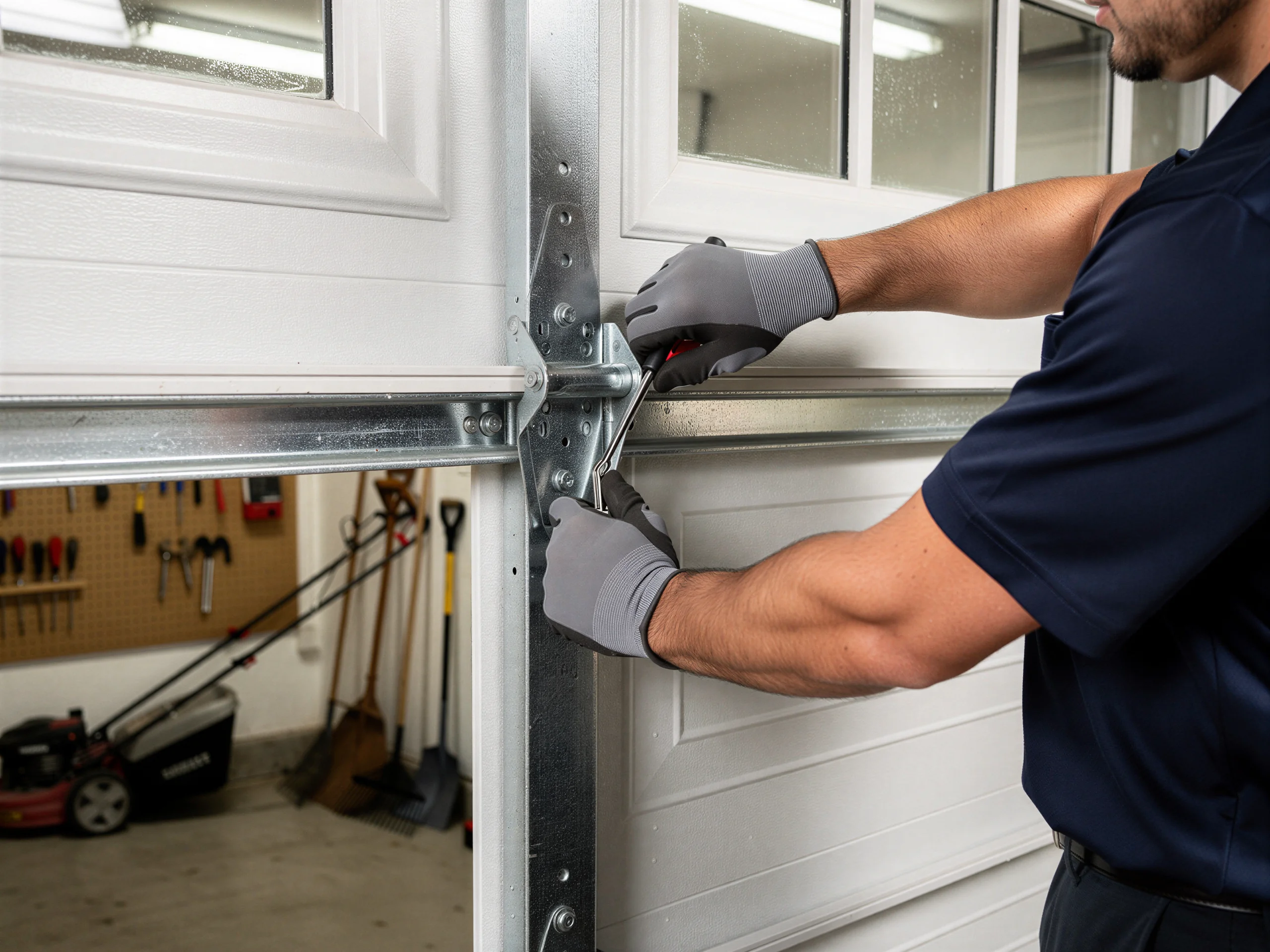
Alameda, CA
Garage door repair for Alameda's 1938-2005 housing stock. We fix springs, openers, and tracks worn by original hardware and mild bay air. Call to book.
Symptoms
The door won't go up, or it goes up partway and stops. Maybe the opener runs but the door doesn't move, or it moves and makes a grinding sound you haven't heard before.
Sometimes it's quieter than that: the door just feels heavier than it used to, like something is dragging. These are the calls we get most from houses built between 1938 and 1965, which covers a lot of Alameda.
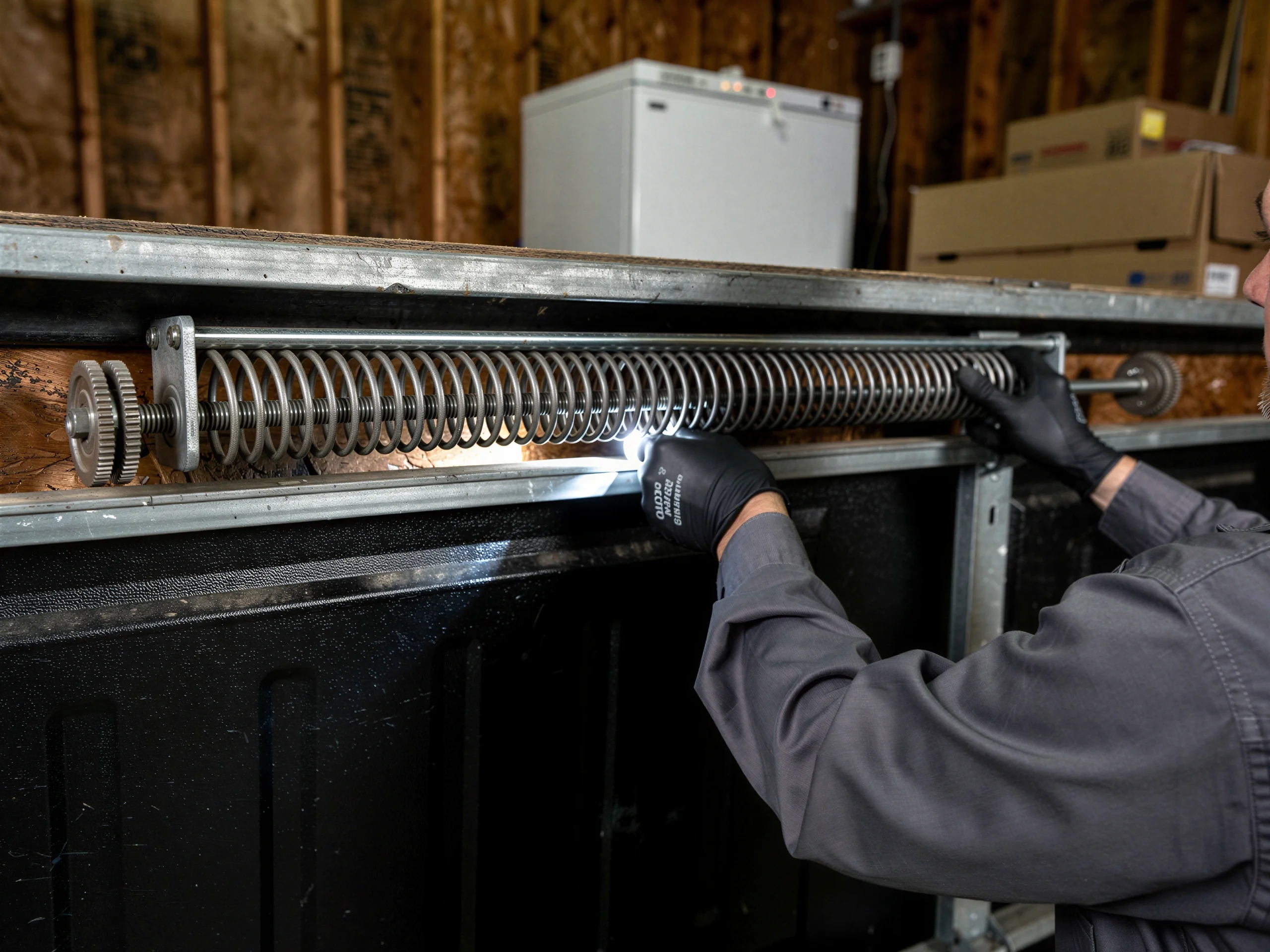
A door that's been running on the same torsion spring and the same roller track for decades doesn't fail all at once. It loses tension a little at a time, then one morning the spring lets go or a roller finally seizes in a track that's worn an oval groove into itself.
If your door is original to a house from that era, a stuck or noisy door isn't bad luck. It's the hardware reaching the end of a run it's been on for fifty-plus years.
Booking
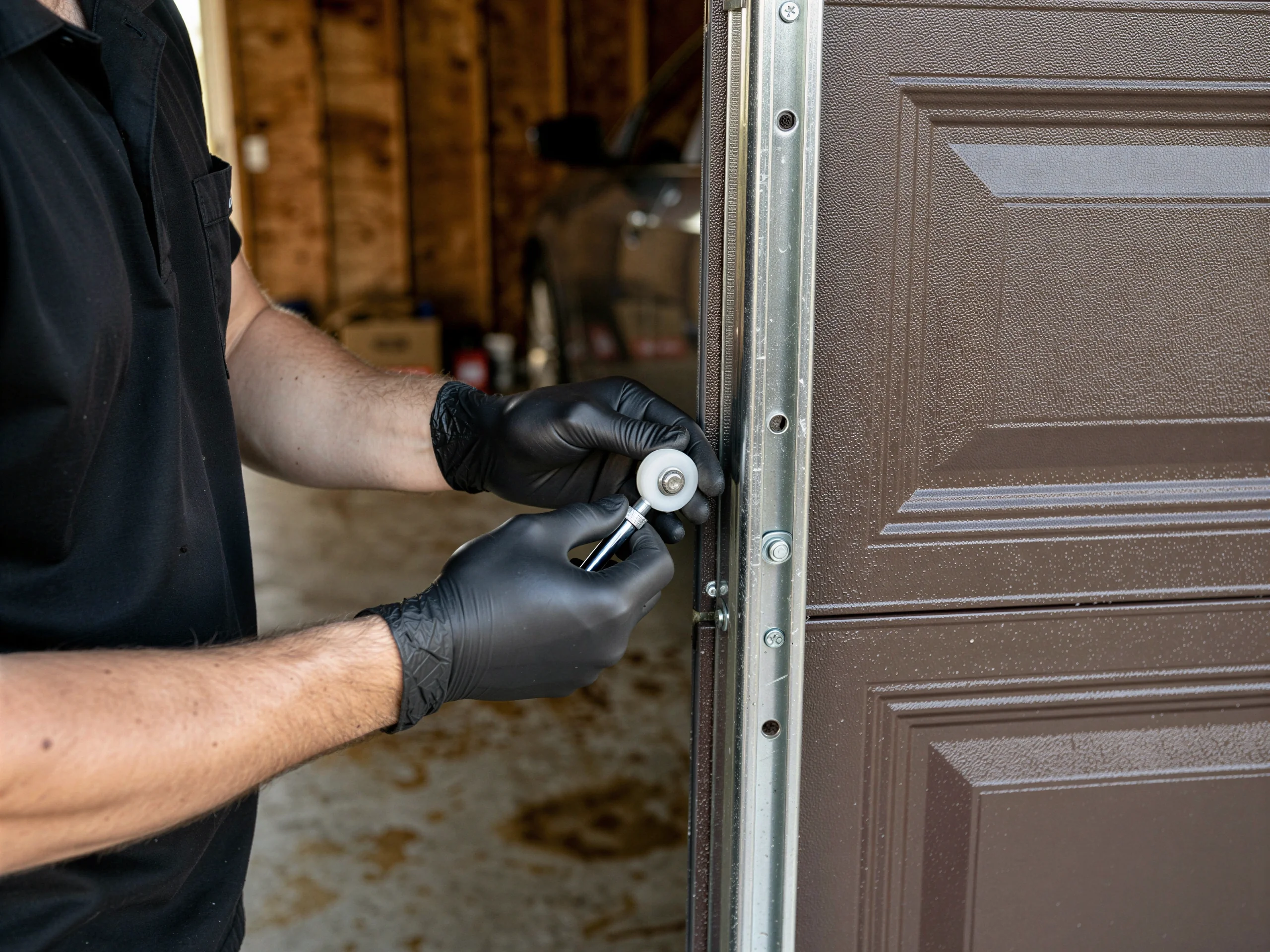
Tell us what the door is doing - won't open, opens but won't close, loud bang then nothing - and whether the opener still has power. That's usually enough for us to bring the right spring size and the right roller stock on the first trip instead of a second one. We work across the service area, which runs from Alameda out toward places like San Leandro, Piedmont, and Emeryville. If you're not sure whether what you're hearing is a spring or a track problem, say so - a rough description is still useful, and we'd rather ask a question up front than guess at the door. Reach us through the site to get a time scheduled.
Local causes
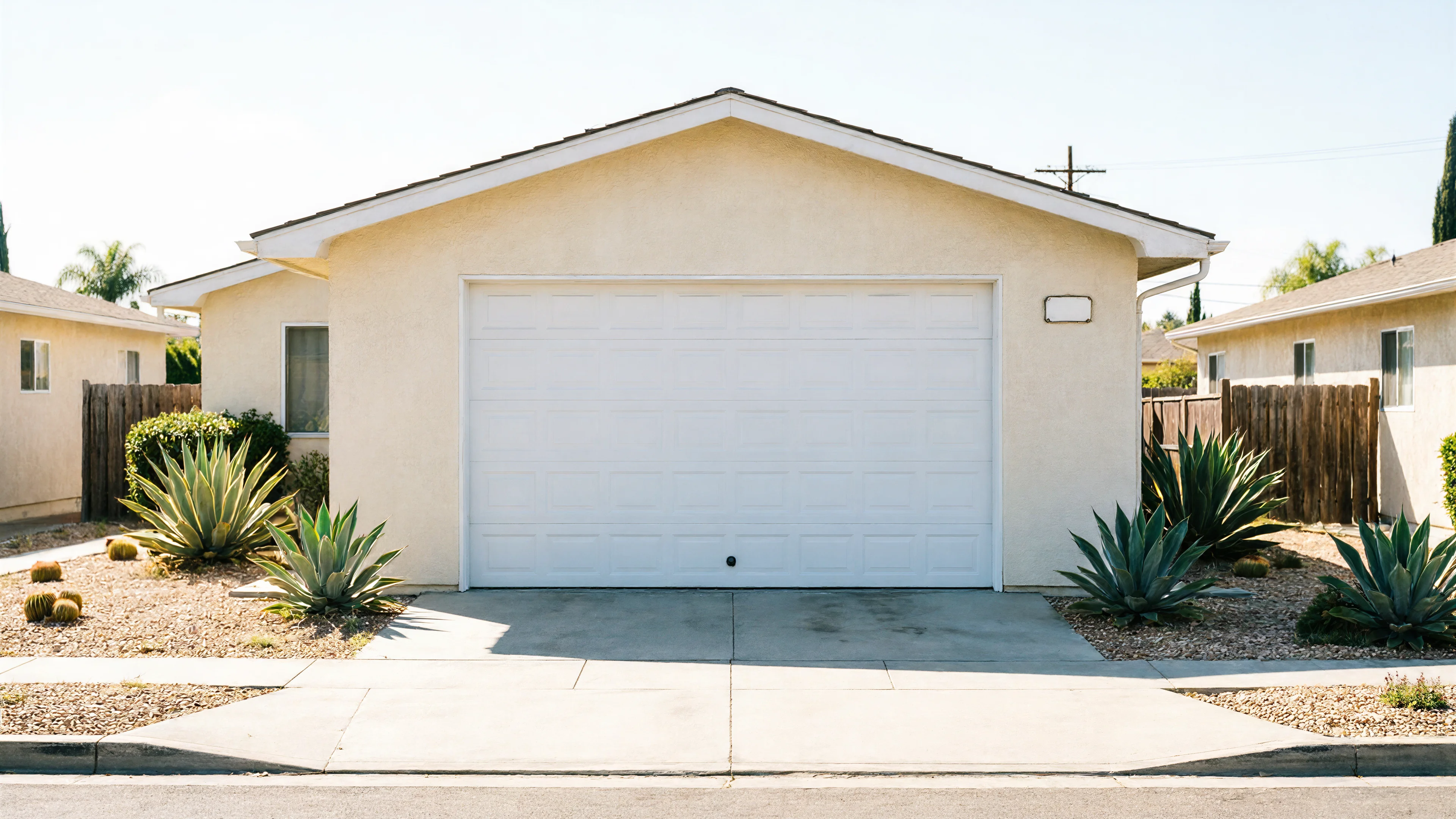
Most of the housing stock here dates to 1938 through 2005, with a lot of it clustered in the 1960s and 70s build wave that shows up across the 53 named areas in this part of the East Bay.
A door installed during that run is old enough that its torsion spring has cycled tens of thousands of times past its rated life, and its hardware predates the safety cable and galvanizing standards that came later.
The mild, temperate climate here doesn't help the way you'd think - no deep freeze to crack a spring outright, but steady damp bay air that works slowly on exposed metal, rusting cable ends and pitting springs from the inside of the coil where you can't see it.
So doors here don't usually fail from one hard winter. They fail from forty years of average weather on original parts nobody upgraded, which is a slower and sneakier kind of wear.
DIY or pro
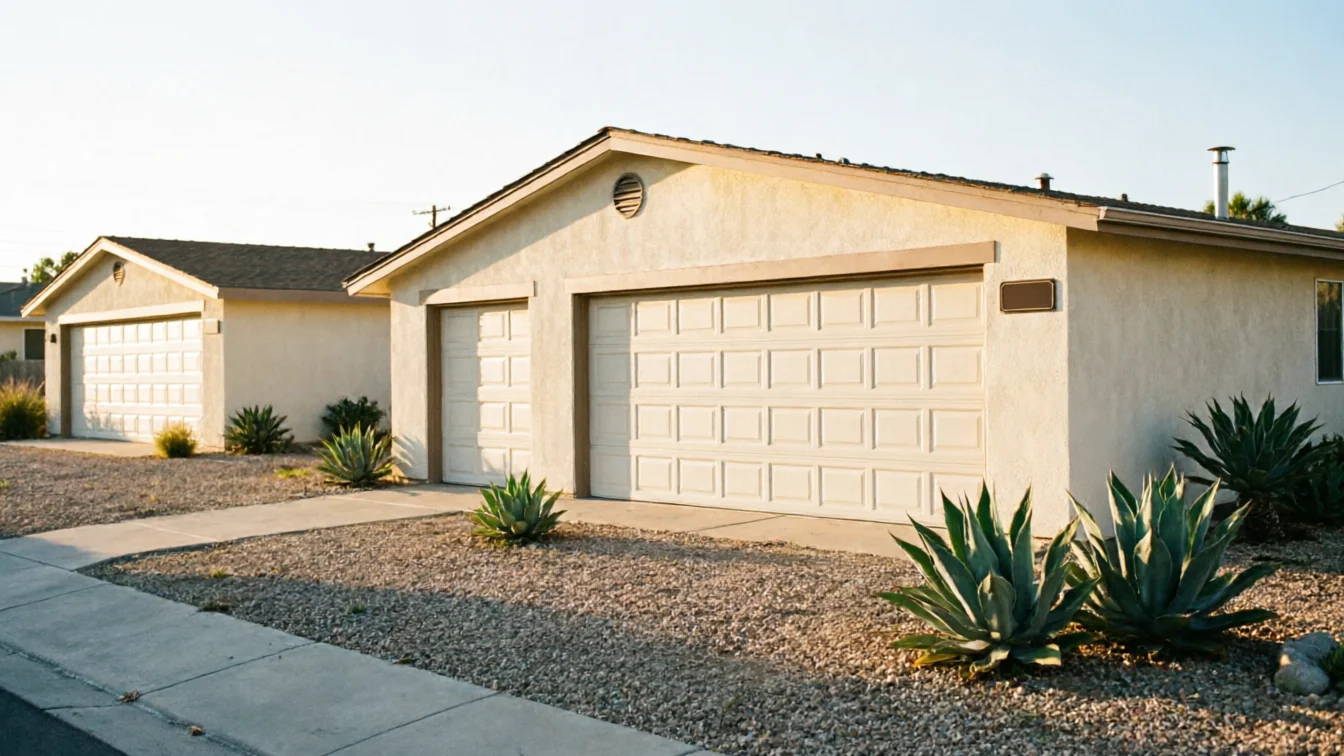
Some of this is fine to check yourself. If the opener runs but the door won't move, look for a disengaged trolley or a track that's come loose from the wall bracket - both are visible without tools. If the door is dead silent and won't budge at all, that's almost always a broken torsion spring, and that one isn't a DIY job. A torsion spring under tension can cause real injury if it's handled wrong, and on an older door the spring size is often non-standard enough that the hardware store coil won't match it. Our limitation here is honest: if your door's spring or hardware is original to a house built decades ago, we may need a day or two to source the exact size rather than something off a shelf. We'll tell you that up front rather than force a part that's close enough.
Questions
Torsion springs are rated for a set number of open-close cycles, often around 10,000. A door original to a house built in the 1950s or 60s has usually gone well past that number. The spring doesn't give warning signs the way a car part might - it holds tension right up until the metal fatigues, then it lets go all at once.
The mild temperate climate here means we don't see the hard freeze-thaw cycles that crack metal outright. What we do see is steady damp air working slowly on exposed cable ends and spring coils over many years, which is a quieter, slower form of wear than the sudden damage colder climates cause.
Often, yes, but not always off the truck on the first visit. Houses here commonly date to the 1960s and 70s, and spring sizes and track hardware from that era aren't always standard stock. We'll tell you directly if a part needs to be sourced rather than installed same-day.
Explore more
Ready when you are
Alameda Garage Door Pros repairs and installs garage doors, springs and openers in Alameda, CA and the surrounding area.