Local detail
When Waiting Is Fine
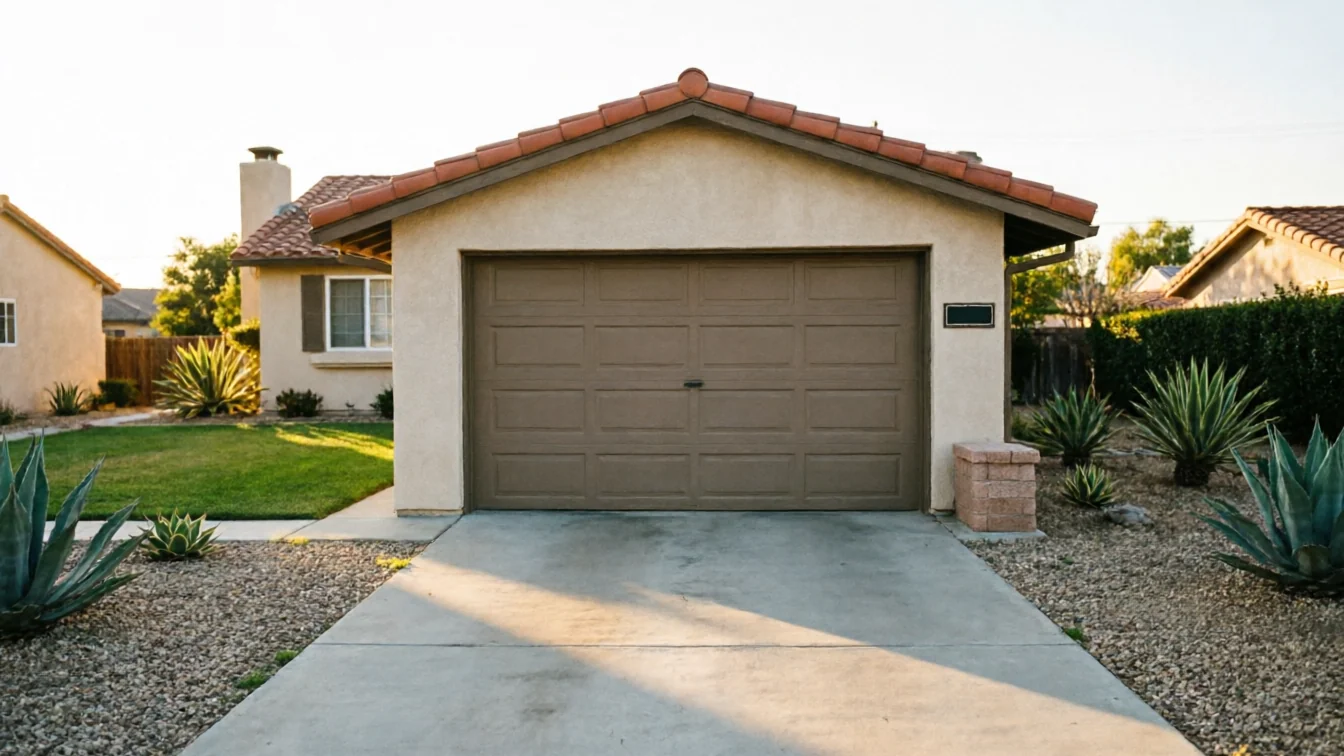
If your garage sits detached from the house, a slow opener or a noisy roller usually isn't urgent. A lot of Alameda's older lots, especially in the pockets built before the 1960s wave, have the garage as its own structure out back or along the side yard, often added or rebuilt later than the house itself. That separation matters: a stuck door on a detached structure doesn't touch your home's weather seal, your entry points, or your interior air. You can park on the street for a week while you wait on a part.
Attached garages are a different story, and a large share of Alameda's housing stock built through the 1960s-70s run came with the garage built into the house footprint from the start. On those, a door that won't seal or won't close all the way is sitting right against living space - a bedroom wall, a laundry room, sometimes a kitchen. That's not a wait-and-see repair. If the door shares a wall with a room you heat, a gap at the bottom or a broken spring that leaves the door cracked open is worth a call sooner rather than later.
The quick test: walk around the structure. If you can circle it without touching the house, you likely have room to wait. If the garage wall is also a house wall, treat the repair with more urgency.
The area
The Common Mistake
The mistake we see across both types: people assume the age of the house tells them the age of the door hardware. It doesn't. Housing in Alameda's service area spans 1938 through 2005, median around 1965, but garages - especially attached ones retrofitted into older homes - often got a new door, new opener, or new track at some point that has nothing to do with when the house itself was framed. That mismatch trips people up when they're troubleshooting.
On a detached garage, the opposite problem shows up: the structure sat with its original hardware for decades because nobody was in a hurry to touch a building the family only used for storage or a car nobody drove daily. We'll get a call about a detached garage door that hasn't been serviced since it was installed, with a spring and cable setup that simply isn't made the same way anymore.
Either way, don't guess the age of your door from the age of your house. Check the hardware itself - the spring type, the track style, whether the opener is a later addition. That tells you more about what parts you'll need than the year on your title deed ever will.
What we find
What Is Going On
Across Alameda's 53 named areas, most garage structures fall into two build patterns tied to that 1938-2005 span. Pre-1960 homes more often have the detached garage, built separately and sometimes added years after the house. Homes from the 1960s-70s run, which makes up the bulk of the stock, were built with the garage attached and under the same roofline from day one - that's just how tract construction worked through that era.
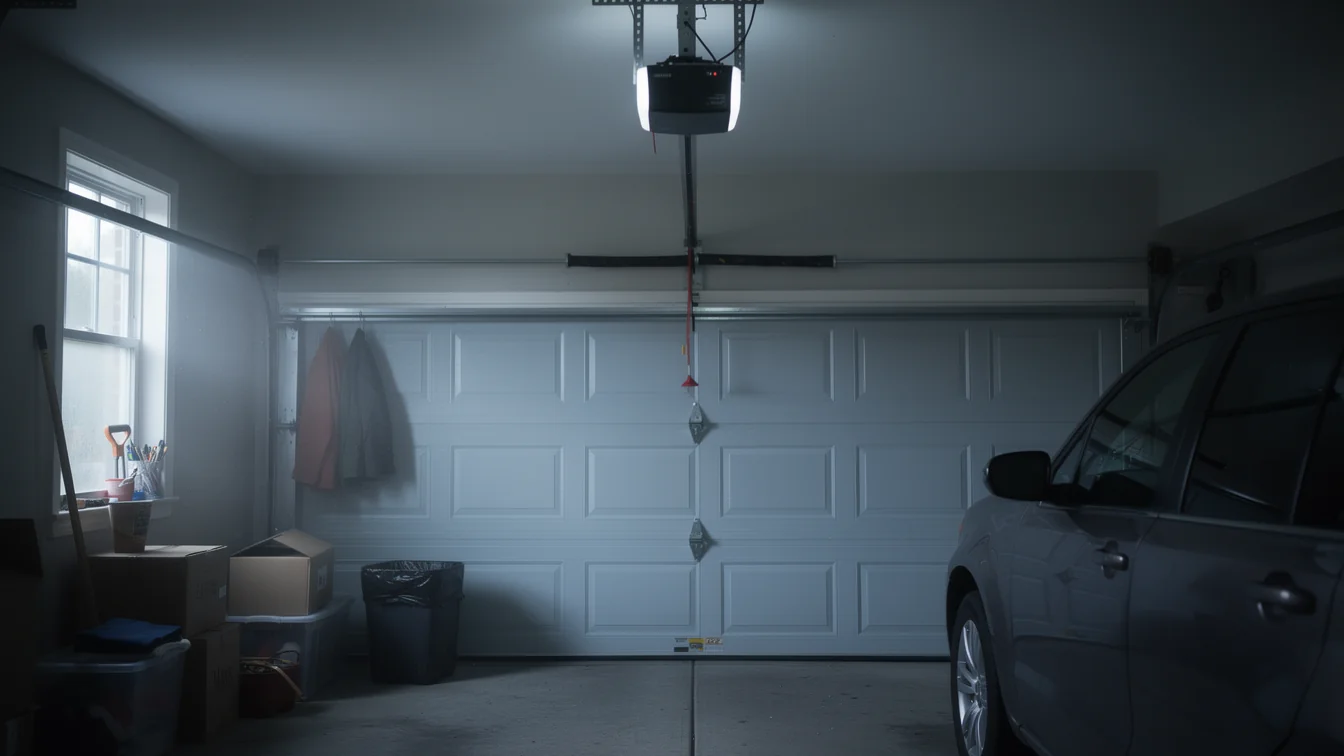
What that means mechanically: attached garages from that period usually share a ceiling joist system with the house, so headroom for torsion spring hardware is often tighter, and the track has to clear ductwork or plumbing that got routed through the shared wall. Detached garages don't have that constraint - more open ceiling, simpler run for the track - but they also got less attention over the decades, which is why the spring and cable on an older detached structure can be well past where it should've been replaced.
Neither setup is better. They just fail for different reasons, and a tech working on your door needs to know which one you've got before pulling a quote together.
How we work
What the Weather Here Does to It
Alameda sits in a mild temperate band, and that cuts both ways for these two garage types. There's no deep freeze cracking a torsion spring and no summer heat warping a wood panel, so the climate itself isn't the thing wearing your door out the way it would in a harsher region. That's the honest limitation here - we can't point to storm damage or ice as the reason your door's acting up, because that's not what's happening in this climate.
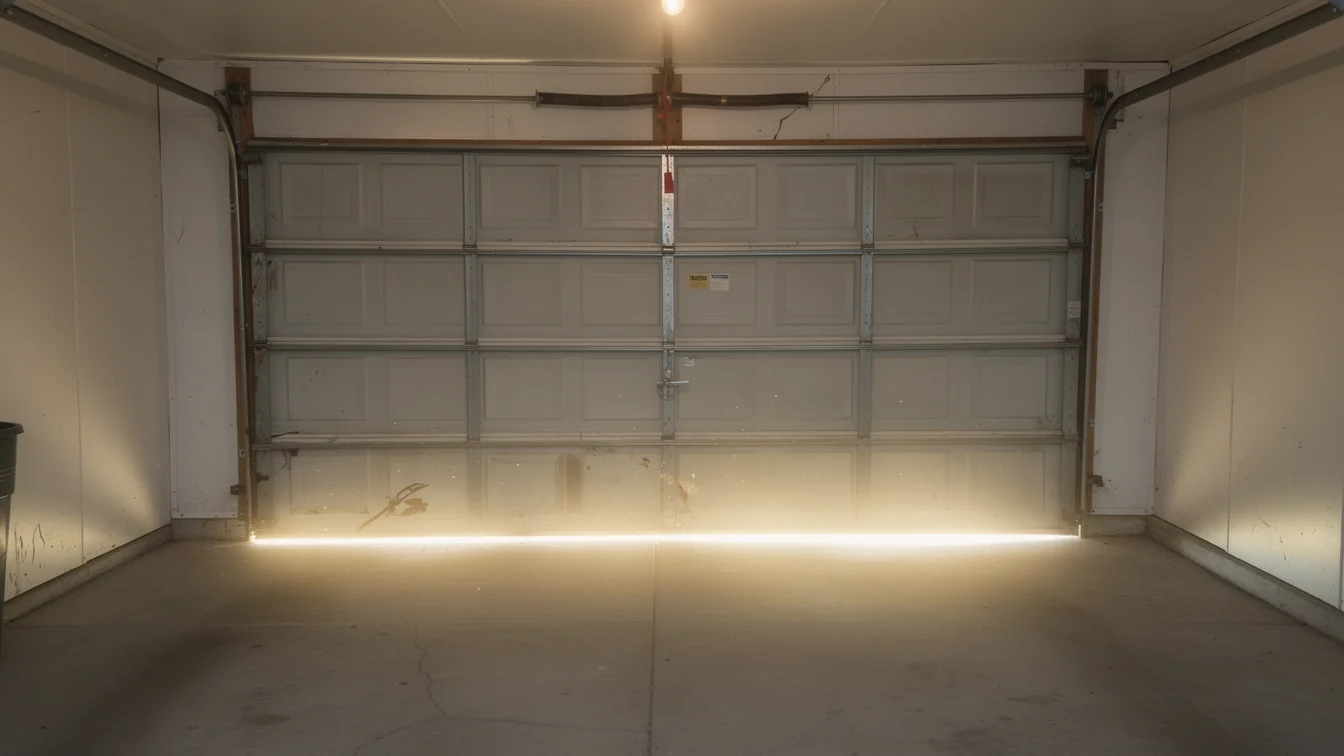
What the mild climate does do is let small problems sit unnoticed longer. On a detached garage, a little moisture at the base of an older wood or steel door doesn't dry out fast in a damp coastal air pattern, and without temperature swings forcing seasonal check-ins, that slow corrosion or soft spot can go years without anyone looking at it. On an attached garage, the same mild air means the door rarely gets stress-tested by extreme heat or cold, so a worn spring can keep working past the point it should've been swapped - right up until it isn't.
So the weather here won't break your door suddenly. It just won't remind you to check it, either.
Talk to a local pro
Garage door trouble in Alameda?
Same-day service with honest, upfront quotes.