Local detail
When Waiting Is Fine
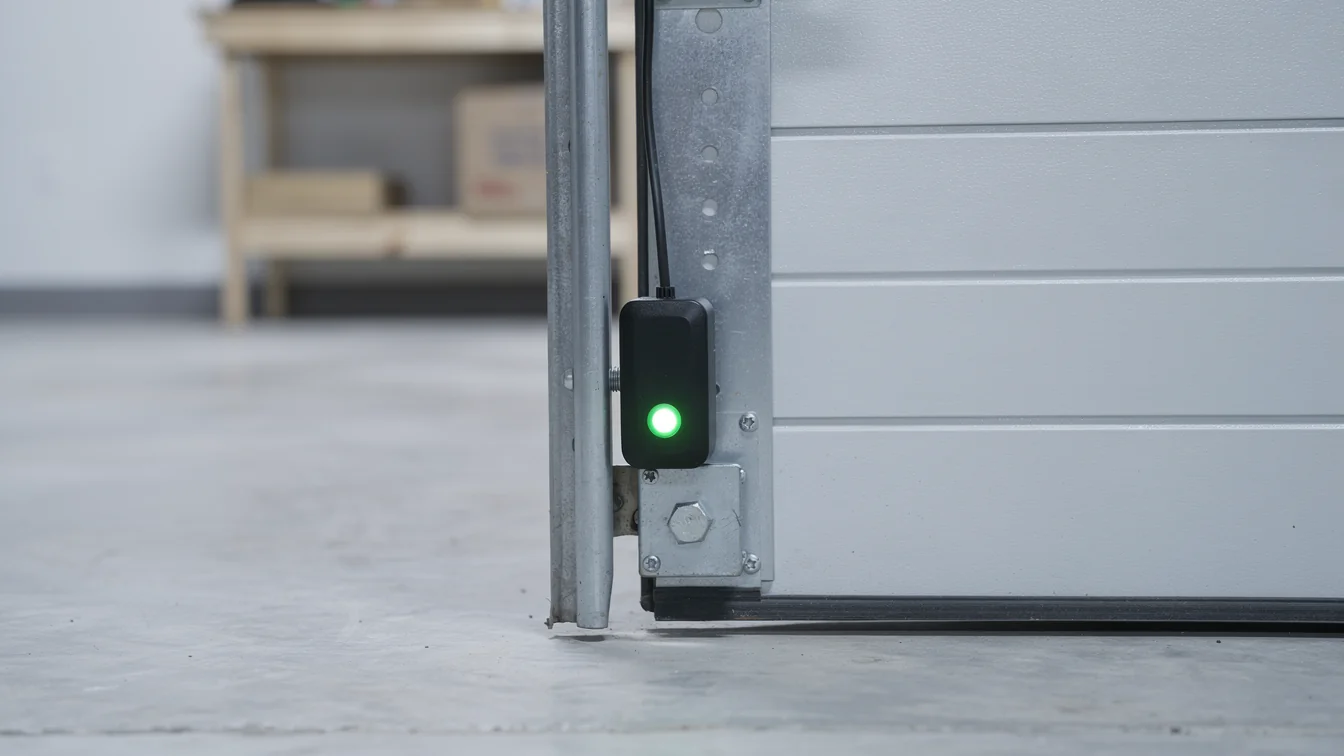
If your opener light blinks and the door stops halfway down, it's tempting to call someone that afternoon. Most of the time you don't need to. Alameda's housing runs from 1938 to 2005, with the median build landing around 1965, and a huge share of that stock is original 1960s and 70s garage construction. On a door that old, the sensor brackets are bolted to wood jambs that have moved a little every year since Eisenhower was in office. A sensor that's off by a few degrees usually just needs the bracket nudged back into line and the lens wiped clean - no truck required. Give it a try before you call: unplug the opener, straighten both sensor eyes by hand so the small lights stop blinking, plug back in, and test. If the door runs the full cycle with no reversal, you're done. Save the call for when the light won't hold steady after you've squared the brackets twice, or when the door reverses on an empty driveway with nothing blocking the beam. That's a different problem, and it's worth a second look rather than a wrench.
The area
The Common Mistake
The mistake we see most in this city isn't neglect, it's overcorrection. Someone notices the sensor light flickering, assumes the unit itself is bad, and swaps it for a new pair without ever checking the bracket underneath. On a house built in the 1965 range - which describes a lot of Alameda's garages - the bracket is often the original piece of bent steel from whenever the door was last replaced, and decades of minor settling have torqued it a degree or two off true. A brand new sensor bolted to a crooked bracket will drift again within a season. The fix isn't a new part, it's squaring up what's already there: loosen the wing nut, level the eye by sight line rather than by the bubble on the bracket, and snug it back down. We'd rather tell you to try that first than sell you a sensor pair you didn't need. If the bracket itself is rusted through or the mounting hole has stripped out of old wood, that's the point where replacement actually makes sense - but that's a bracket problem, not a sensor problem, and worth knowing the difference before you spend money.
What we find
What Is Going On
Garage door safety sensors work on a straight infrared line between two eyes mounted a few inches off the slab, one on each side of the track. Anything that nudges either bracket out of that line - even a sixteenth of an inch - breaks the beam enough to make the opener balk. In a city where most garages sit on slabs poured anywhere from 1938 to 2005, with the bulk of that stock dating to the 1960s and 70s, the concrete under those brackets has had a long time to shift. Slab edges settle differently than the house frame around them, especially on older pours that didn't get modern rebar reinforcement. That slow, uneven movement is enough to tip a bracket's aim over the years without anyone noticing until the sensor finally throws an error. It's not dirt and it's not a failing part most of the time - it's geometry drifting a little at a time under a door track that was leveled decades ago and never touched since. Once you know that, the fix stops being a mystery: you're not repairing electronics, you're re-aiming two eyes that used to point at each other.
How we work
What the Weather Here Does to It
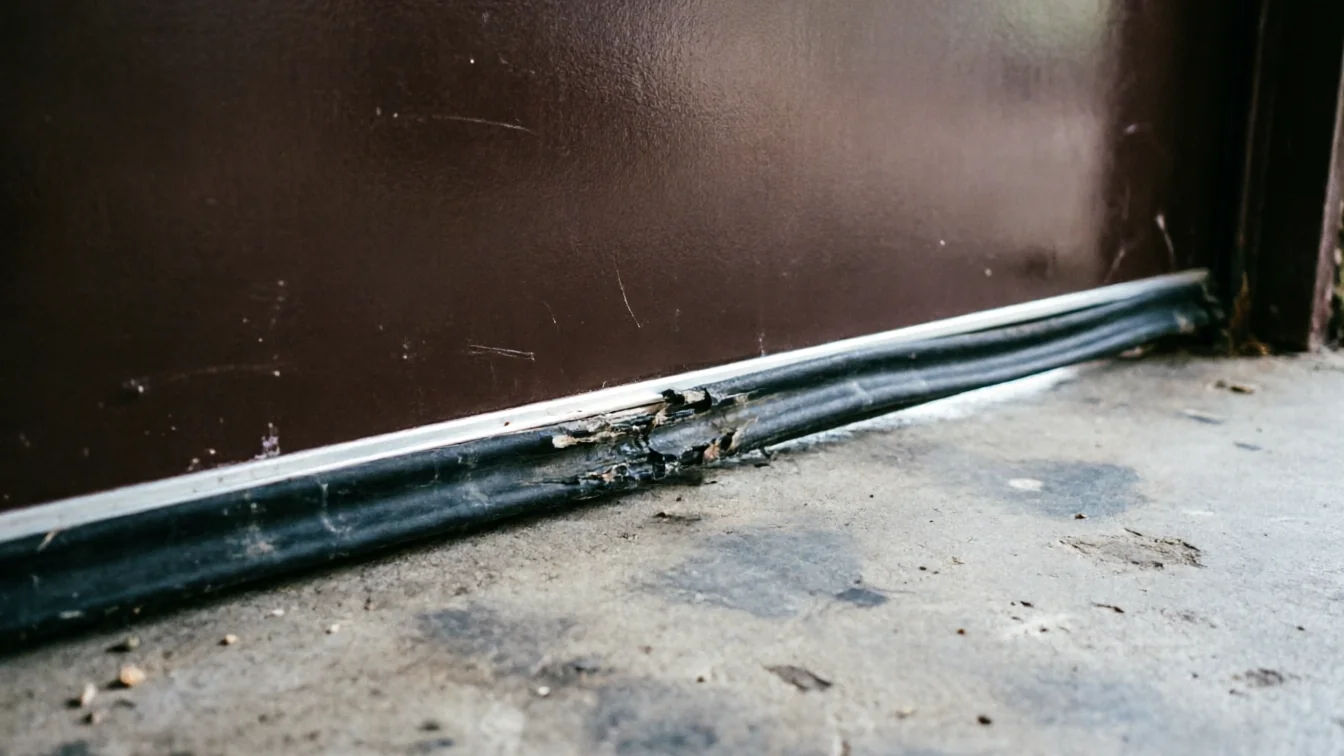
Alameda sits in a mild temperate band, which actually works in your favor compared to places that swing between hard freezes and summer heat. You're not dealing with the expansion and contraction that cracks brackets or warps tracks in colder climates, and that's a real advantage for a sensor system that depends on staying put. What still gets you is moisture and the slow settling we mentioned - fog and damp air corrode exposed hardware over enough years, and on a house from the 1960s-70s wave that makes up most of this city's garage stock, that's a lot of years. A steel bracket that's been through fifty-some mild, damp winters can pit and loosen at the mounting screw even without the drama of a freeze-thaw cycle. The honest limit here: we can re-aim and tighten sensor hardware all day, but if the bracket itself has corroded to the point the screw won't bite, no amount of adjusting holds for long. At that point you're replacing a four-dollar bracket, not the sensor, and that's a five-minute job once you know that's the actual problem.
Talk to a local pro
Garage door trouble in Alameda?
Same-day service with honest, upfront quotes.