Local detail
When Waiting Is Fine
Not every noisy door is a same-day call. Alameda sits in a mild temperate band - no hard freezes that snap a spring overnight, no summer heat spikes that warp a panel in a week. That buys time most harsher climates don't give you. If a door still opens and closes on its own, just louder than it used to, a tech will usually tell you to wait for the right part rather than swap in whatever's on the truck.
This matters more here than it sounds because of what's actually installed. Housing in the area runs from 1938 to 2005, with the median landing around 1965, so a lot of garages still carry original or near-original track and spring hardware. Some of those sizes aren't stocked anywhere nearby, and we won't put a mismatched roller or a wrong-gauge cable on a door just to close the ticket fast.
The honest limit: if your door is from that older end of the range and needs a legacy part, you may be looking at a week or more, not a same-day fix. We'd rather tell you that up front than promise a timeline we can't hold.
The area
The Common Mistake
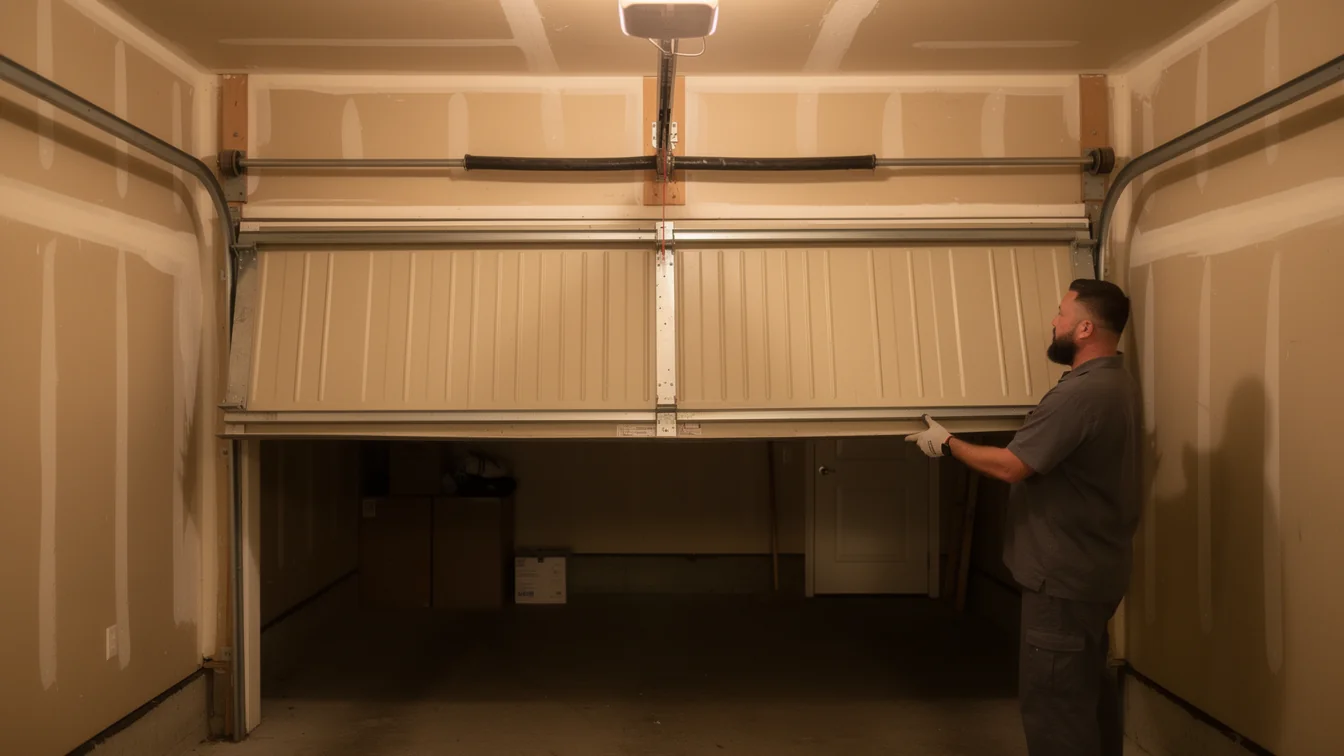
The mistake we see most in this area isn't neglect - it's over-lubrication of the wrong parts. Owners spray the hinges and rollers on a door that's original to a 1960s or 70s build and skip the torsion spring cones entirely, because those are up at the header and easy to forget. The spring assembly is the part doing the actual lifting work, and on hardware that old, it's also the part most likely to be fatigued past its rated cycle count.
The second common mistake is assuming a sticky door means a bad opener. Across the 172,438 owner-occupied houses in this service area, the pattern repeats: original torsion hardware from the build era, with a newer opener bolted on top at some point in the last couple decades. When the door binds, people replace the opener first because it's the visible, swappable box. Half the time the real problem is upstream of it - a track bracket that's loosened over fifty-plus years of use, or a cable that's frayed where nobody looks.
We check the lifting hardware before we touch the opener, every time, because on a door this age that's usually where the actual fault lives.
What we find
What Is Going On
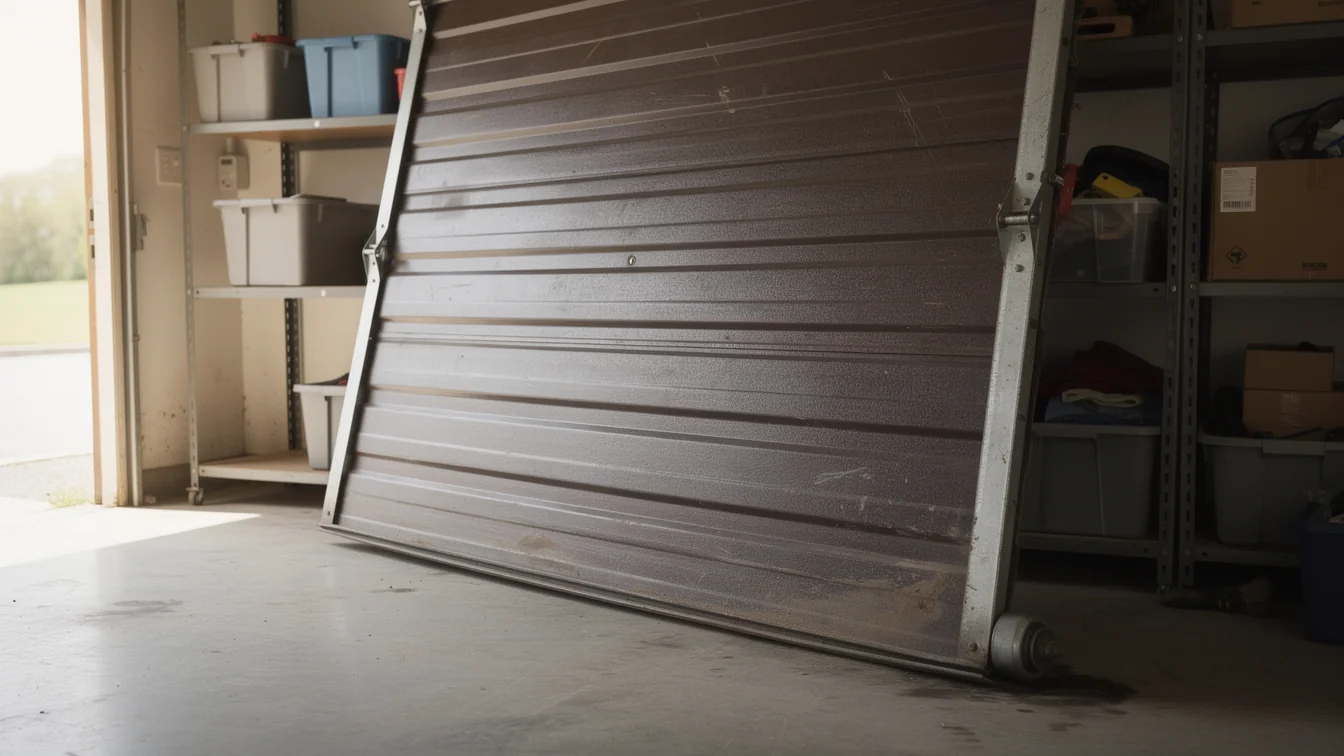
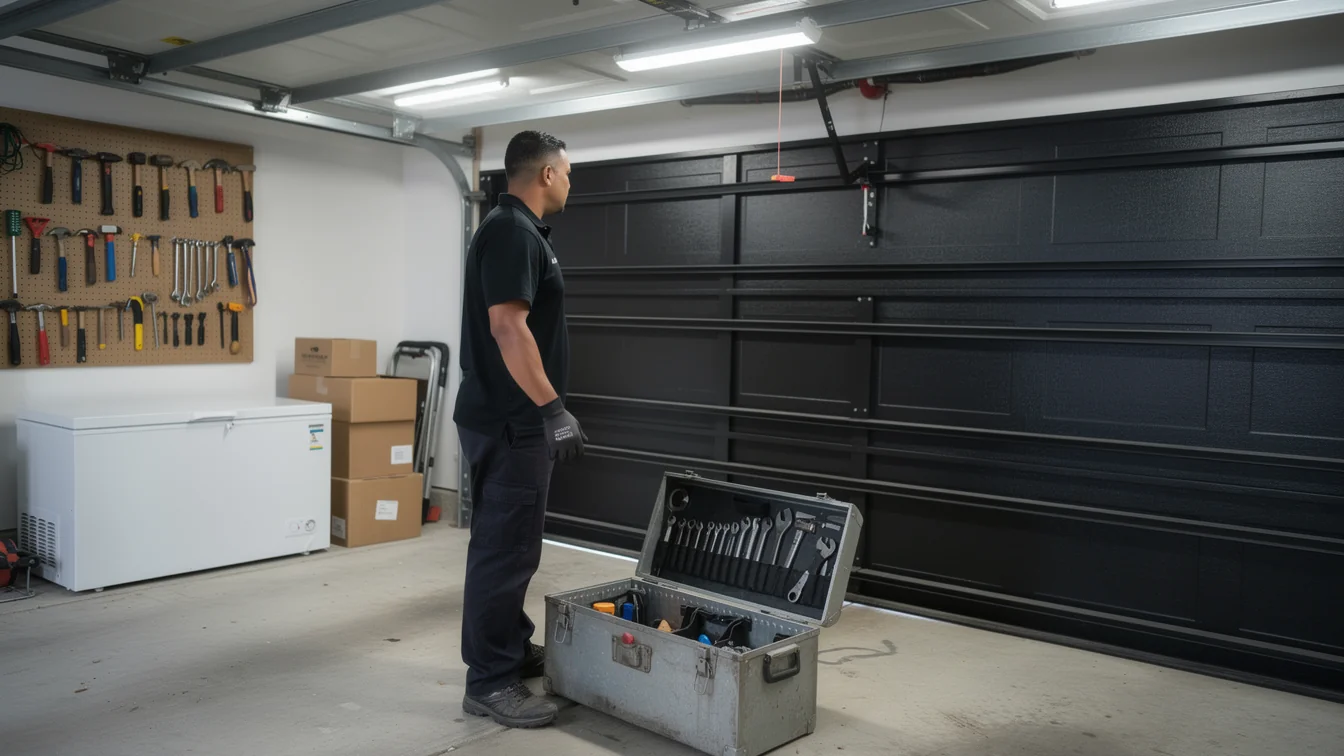
On a service call in this area, the first five minutes go to the lifting system, not the opener. With housing built anywhere from 1938 to 2005 and a median around 1965, a tech is checking torsion spring winding cones for rust-pitting, inspecting the track for the roll-formed profile common to that era, and pulling on the lift cables to feel for fraying where they run over the drum. That's where failures actually start on hardware this old.
Next comes alignment. Decades of settling on older foundations can pull a track out of true by a few degrees, which reads to the homeowner as
Talk to a local pro
Garage door trouble in Alameda?
Same-day service with honest, upfront quotes.