Local detail
When Waiting Is Fine
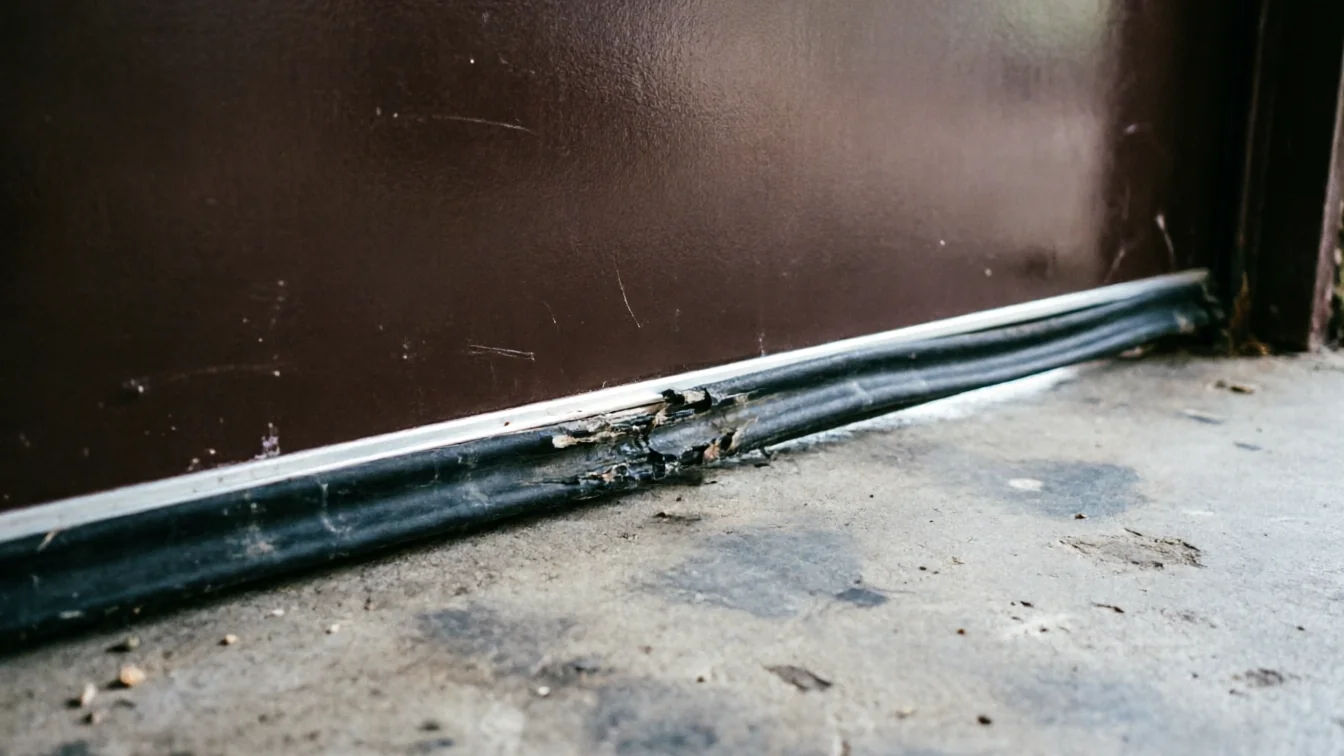
If your door still opens and closes smooth and the only complaint is a thin line of daylight along the bottom or a draught you feel near the weatherstrip on a windy evening, you don't need a truck out this week. Alameda sits in a mild temperate band with none of the freeze-thaw cycling that cracks vinyl seals in a season. The rubber on most doors here degrades slowly, from UV and salt air off the bay rather than from cold. A gap you can live with in October is usually still livable in February. What changes that calculus is water actually pooling inside the garage, or a seal so brittle it's shedding pieces onto the slab. Short of that, it's fine to let it ride until you're doing other work on the door anyway, like a spring or roller job, and swap the seal at the same visit. Calling for a seal alone on a 60-degree afternoon in West Alameda or West End is rarely worth the trip charge.
The area
The Common Mistake
The mistake we see most is someone buying a universal seal strip sized for a newer steel door and nailing it onto a frame built when the house went up, sometime in the long stretch between 1938 and 2005 that makes up this city's housing stock, with the bulk of it dating to the 1960s and '70s. Those older jamb profiles were cut to different tolerances than what hardware stores stock today. The new strip looks fine going on and then compresses wrong within a month, leaving the exact draught you were trying to fix, just moved six inches over. The second mistake is sealing only the bottom astragal and ignoring the side jambs, which on a 1960s-era wood frame have usually shrunk and twisted slightly over sixty-plus years, opening gaps at the vertical edges that matter more than the bottom ever did.
What we find
What Is Going On
Most of what you're feeling isn't the weather doing damage right now, it's decades of a mild but damp marine climate working slowly on wood and rubber that was never built to last forever. A door and frame from the median build year of 1965 has had sixty years of bay fog and salt air to shrink the wood jamb a fraction here, harden the original rubber there. None of it happened fast. That's the nature of this climate band: no hard freezes to crack things open overnight, but constant low-grade moisture that nobody notices until the strip is too stiff to compress against the slab anymore. On the newer end of the stock, doors built closer to 2005, you're usually dealing with factory vinyl that's just reached the end of its service life rather than a frame problem, which is a simpler and cheaper fix.
How we work
What the Weather Here Does to It
Alameda's mild temperate climate is kind to garage doors compared to places with real winters, but it isn't neutral. The marine air carries enough moisture and salt that steel panels along the bottom rail can start surface rust years before an identical door would show it inland. Rubber seals don't crack from cold here, they go slack and spongy from constant damp, then fail to spring back and seal tight once they've been compressed a few thousand times. If your garage faces open bay wind, which plenty of homes near the water do, you'll feel draughts sooner than a neighbor three streets back with the same age door. One honest limitation: we can reseal a frame and tighten up most draughts, but if the jamb itself has shrunk or twisted on an older house, a seal alone won't fully close that gap, and planing or shimming the frame is a carpentry job, not a garage door one.
Talk to a local pro
Garage door trouble in Alameda?
Same-day service with honest, upfront quotes.