Local detail
When Waiting Is Fine
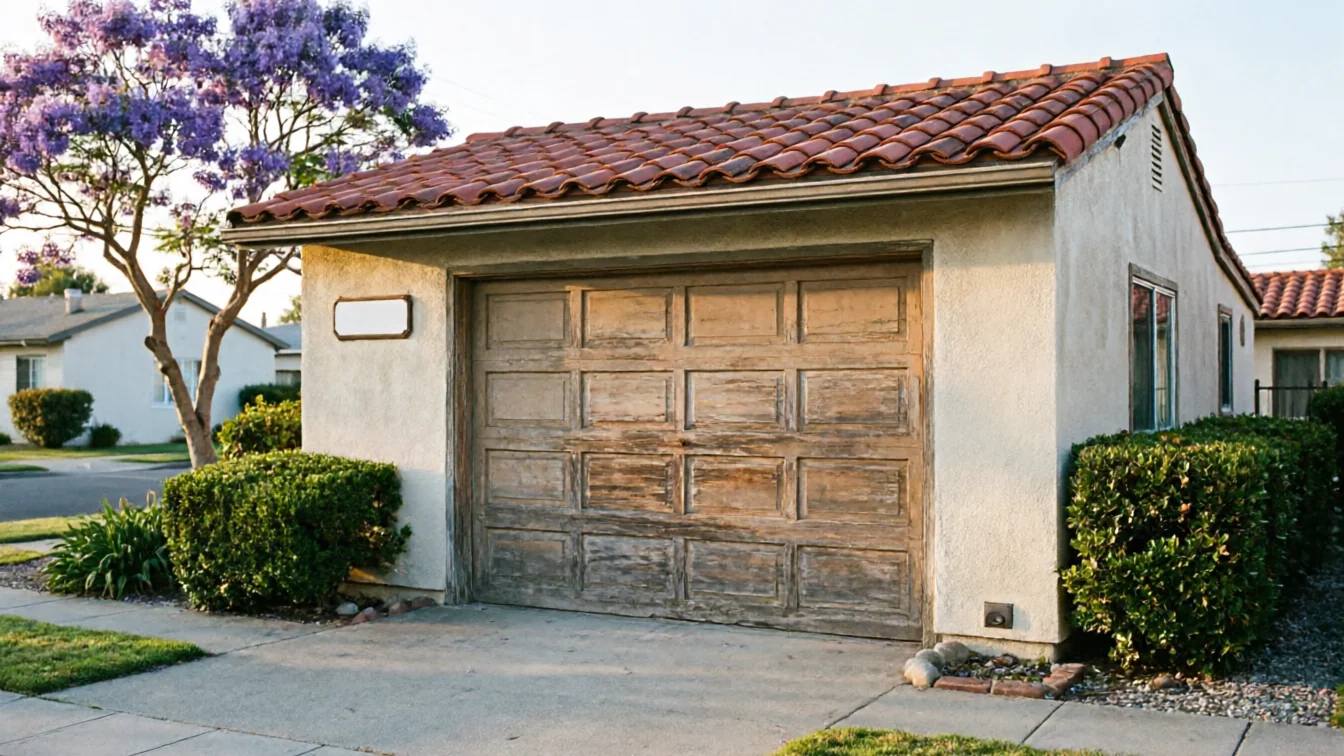
Not every noise or stiff spot means you need a truck out today. If your door is from the newer end of the local build range and it's just sticking a little on the track, a call can wait a week. Alameda's housing stock runs from 1938 up through 2005, with the median build year sitting around 1965, so there's real range here - a door on a house from the 2000s and a door on a house from the Eisenhower era are not the same problem. If your opener motor runs fine, the door reverses properly when it hits something, and the only issue is a squeaky roller, that's a lubrication job, not an emergency. Where waiting stops being fine is anything involving the spring itself - a visible gap in the coil, a door that won't stay up on its own, or a loud bang from the garage. Those don't get better by themselves, and a spring under tension that lets go while someone's underneath it is the one failure mode where delay actually costs something. Everything else on this list - cosmetic rust, a slightly crooked panel, a remote that needs two presses - can sit on a schedule instead of jumping the line.
The area
The Common Mistake
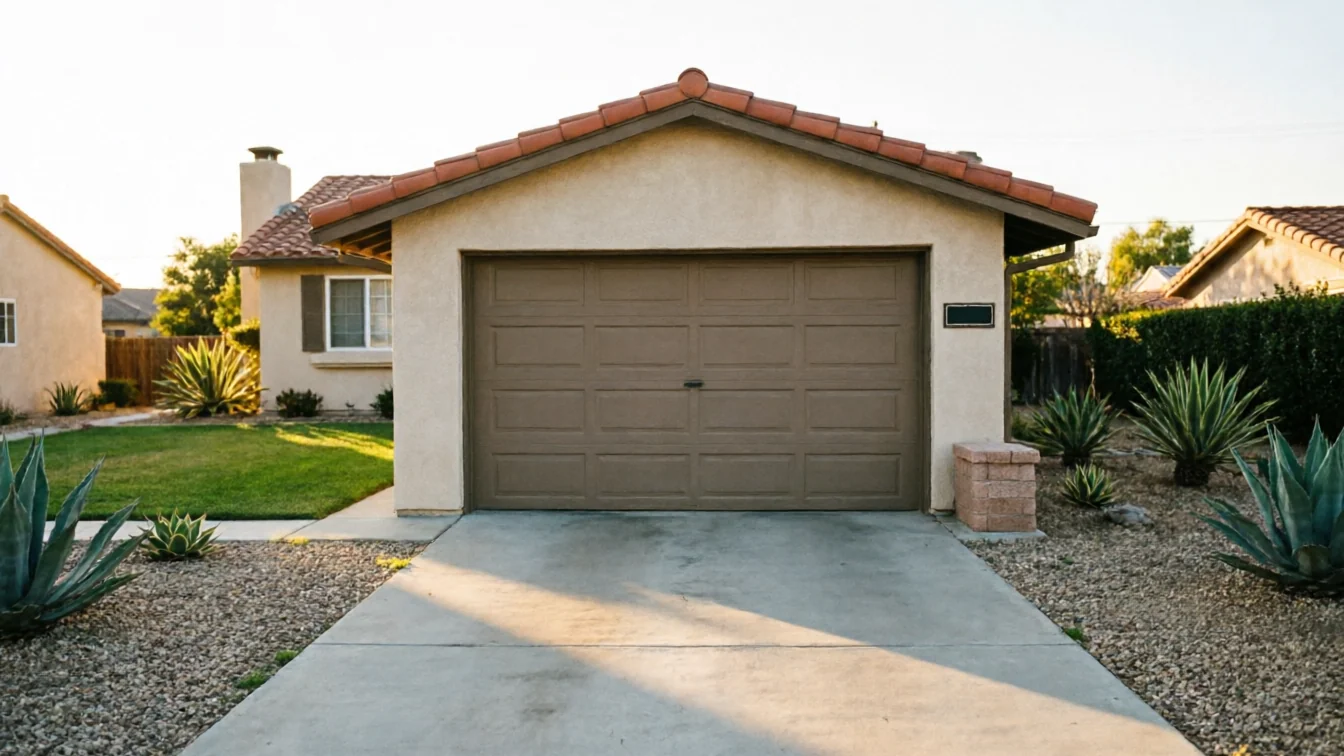
The mistake we see most in this area is blaming the weather for a problem that's actually about age. Alameda sits in a mild temperate climate band - no hard freezes, no wide seasonal swings - so people assume their doors should last indefinitely and get confused when a spring snaps on a calm, dry afternoon. It's not the weather doing that. A torsion spring is rated for a number of open-close cycles, not a number of years, and a door original to a house built in the 1960s or 70s has been through decades of cycles regardless of how gentle the climate's been to it. The other version of this mistake is owners replacing a cable or a single roller and assuming that buys them another decade, when the rest of the hardware - installed at the same time, under the same cycle count - is just as close to the end. Fixing the symptom that failed first doesn't reset the clock on the parts that haven't failed yet. Across the service area, with 172,438 owner-occupied houses carrying this same mid-century-to-early-2000s mix of doors, this pattern repeats constantly: one part breaks, gets replaced, and the next one goes six months later because nobody looked at the whole assembly.
What we find
What Is Going On
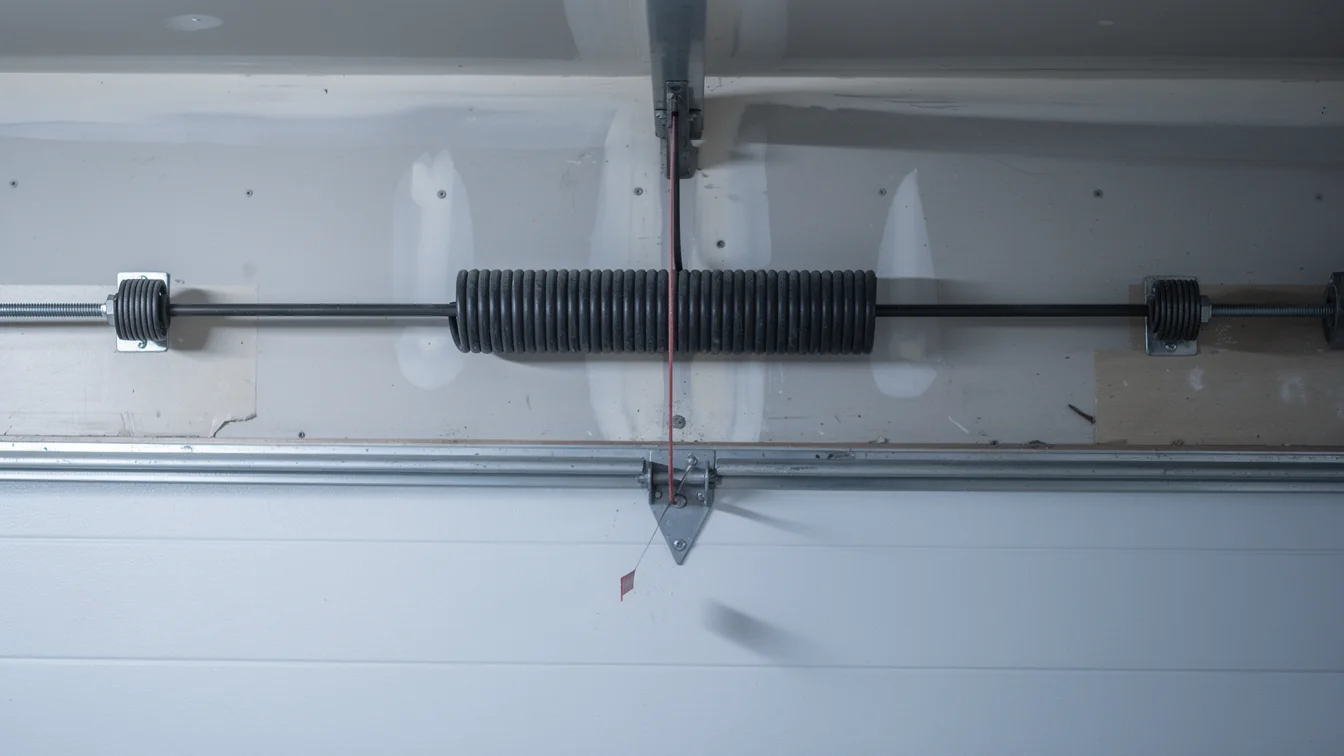
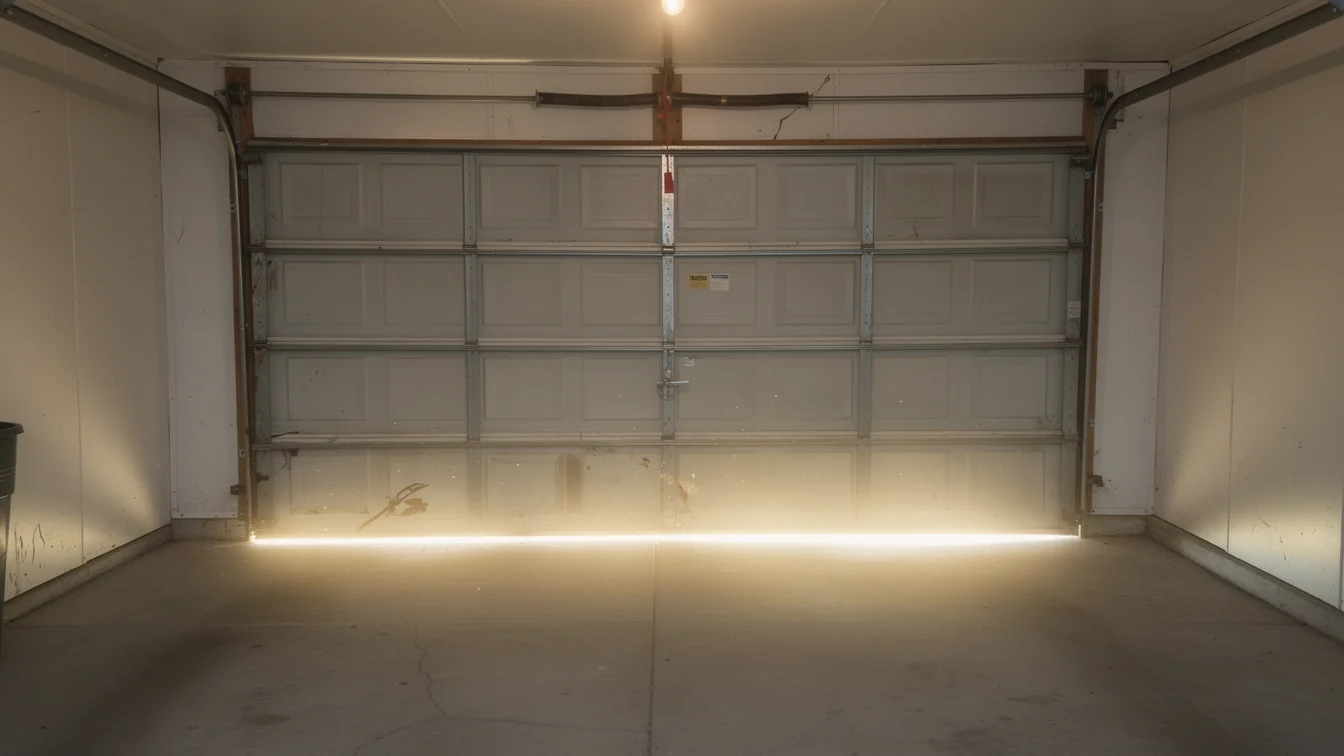
Here's what's actually happening under the hood. A large share of the local stock - across the 53 named areas we work in - dates to the 1960s and 70s, which was the heart of the torsion-spring era for residential garage doors. Those doors were usually single-layer steel or solid wood, hung on side-mounted torsion hardware that isn't stocked the same way modern parts are. When a spring or a drum fails on one of these, you're often not swapping in an off-the-shelf part; you're matching wind direction, shaft diameter, and drum size to hardware that predates current standard sizing. That's slower than a same-day fix on a newer door, and it's worth knowing going in. On houses built before insulation rules were standard - much of this area's housing predates that requirement - the door itself is usually a single flat steel or wood panel with no foam core, which matters less for how it opens and closes but a lot for noise, temperature swing in the garage, and how much the panel has warped over the years. A warped original panel on old track is often the real reason a door
Talk to a local pro
Garage door trouble in Alameda?
Same-day service with honest, upfront quotes.