
Repair cheaper than new
What we can tell you is the economic picture of the area it happens in: median household income here is $98,063, well under the $163,199 median across the broader service area we cover.
San Leandro, Alameda
Opener repair for San Leandro homes built around 1959, served from Alameda six miles away. We fix dead units, stripped gears, worn belts, and failing boards.
Local causes
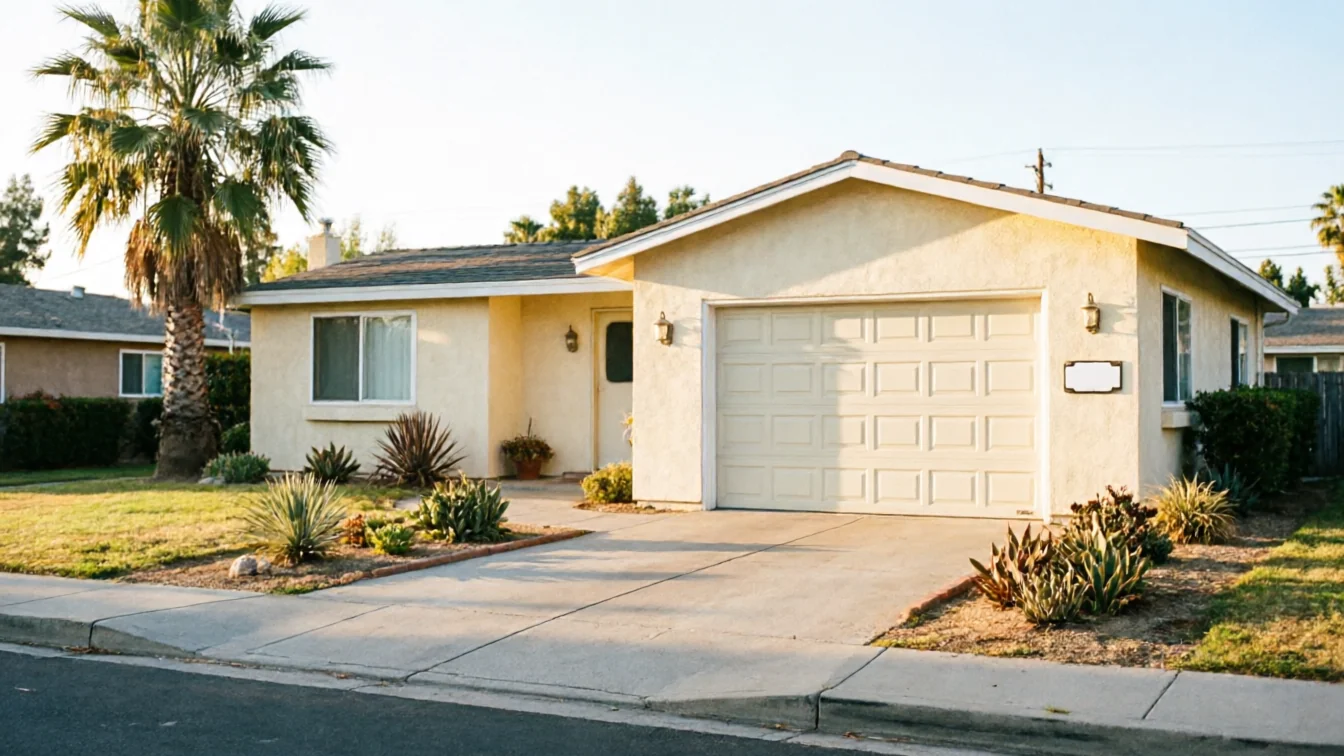
San Leandro has roughly 30,903 households, and that's a lot of garages built in a short window. The median home here went up in 1959, right inside the 1938-2005 range that runs across the whole service area, and it lines up with the 1960s-70s building wave that shaped most of the 53 communities we work. A town this size, built this fast, means the same opener problems show up over and over in the same few years: chain-drive units from the 80s and 90s reaching the end of their gear life, logic boards from the early 2000s failing in bunches, and garages that were framed for a lighter door than what's hanging on it now. We drive six miles from Alameda to get here, and what we find is rarely one-off. It's the same bracket, the same gear set, the same capacitor, failing on the same street-year of house.
Pricing
We don't have a posted price list for opener repair in San Leandro, and we're not going to invent one.
What we can tell you is the economic picture of the area it happens in: median household income here is $98,063, well under the $163,199 median across the broader service area we cover.
That gap usually tips the decision toward repair when the opener is salvageable - a new logic board or drive gear costs far less than a new unit, and on a 1959-built garage the original mounting and header can turn a full swap into more carpentry than anyone wanted. We price the job after we've seen the unit.
That gap matters because it usually tips the decision toward repair over replacement when the opener itself is salvageable - a new logic board or a drive gear costs a lot less than a new unit, and on a 1959-built garage the mounting and header are often original, which means swapping the whole opener can turn into more carpentry than anyone wanted.
Symptoms
The opener runs but the door doesn't move, or it moves for a second and stops - that's the complaint we hear most from this part of the service area, and on houses from the 1959 build era it's almost always the drive gear stripped down to plastic dust inside the housing. Chain-drive units installed in the 70s through 90s used a nylon gear that was never meant to outlast the house. A close second: the opener makes no sound at all, which points to the circuit board rather than the motor. San Leandro sits in the same mild temperate band as the rest of the area, so we're not chasing heat-swollen housings or frozen tracks here - when something fails, it's age and cycle count, not weather.
Watch-outs
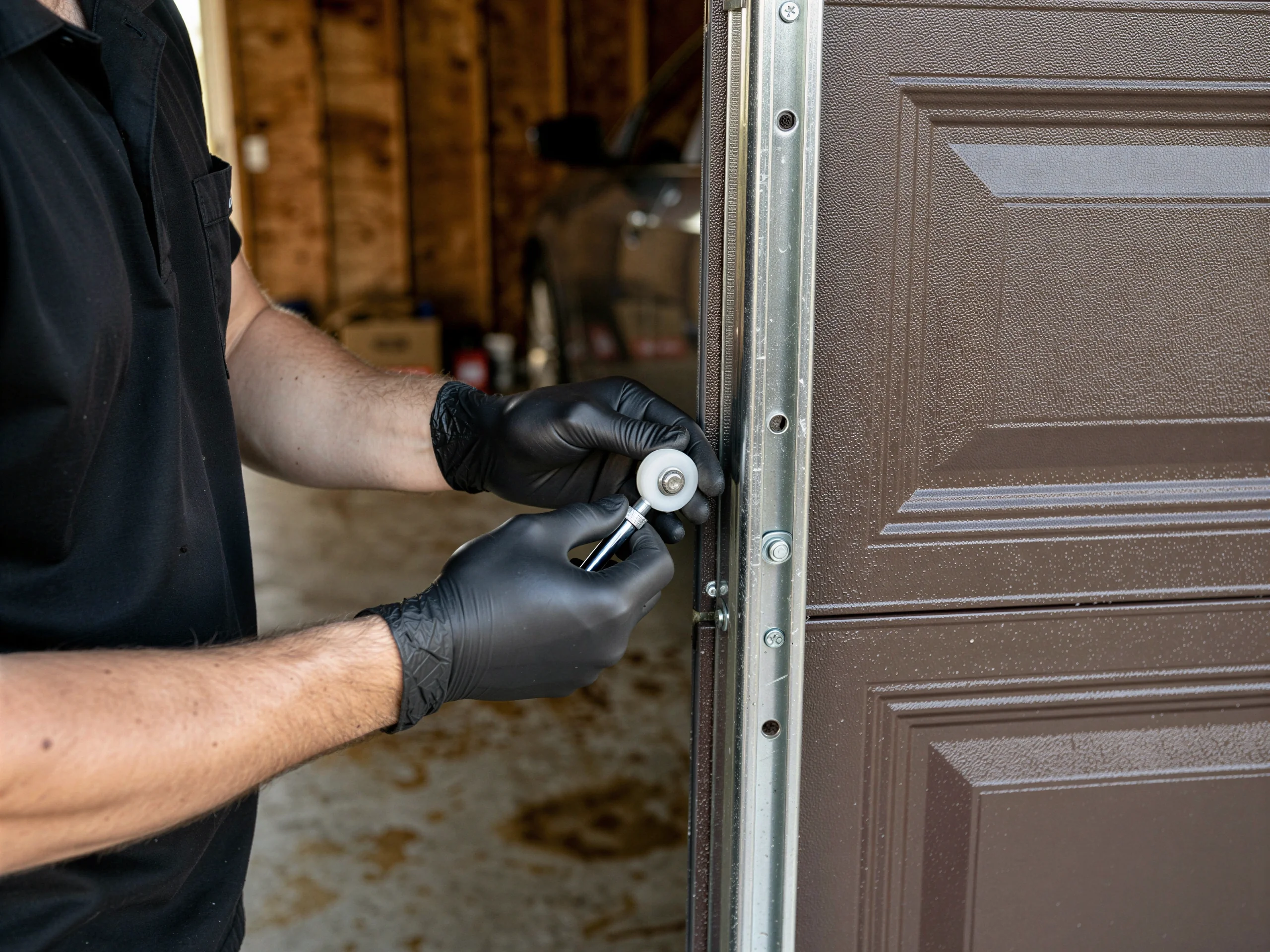
The part that trips people up is assuming a dead opener means a dead opener. On a lot of the garages built around 1959, the real problem is upstream - a sagging door pulling extra load on the opener, or a track that's bent just enough to make the motor strain and trip its own safety sensor.
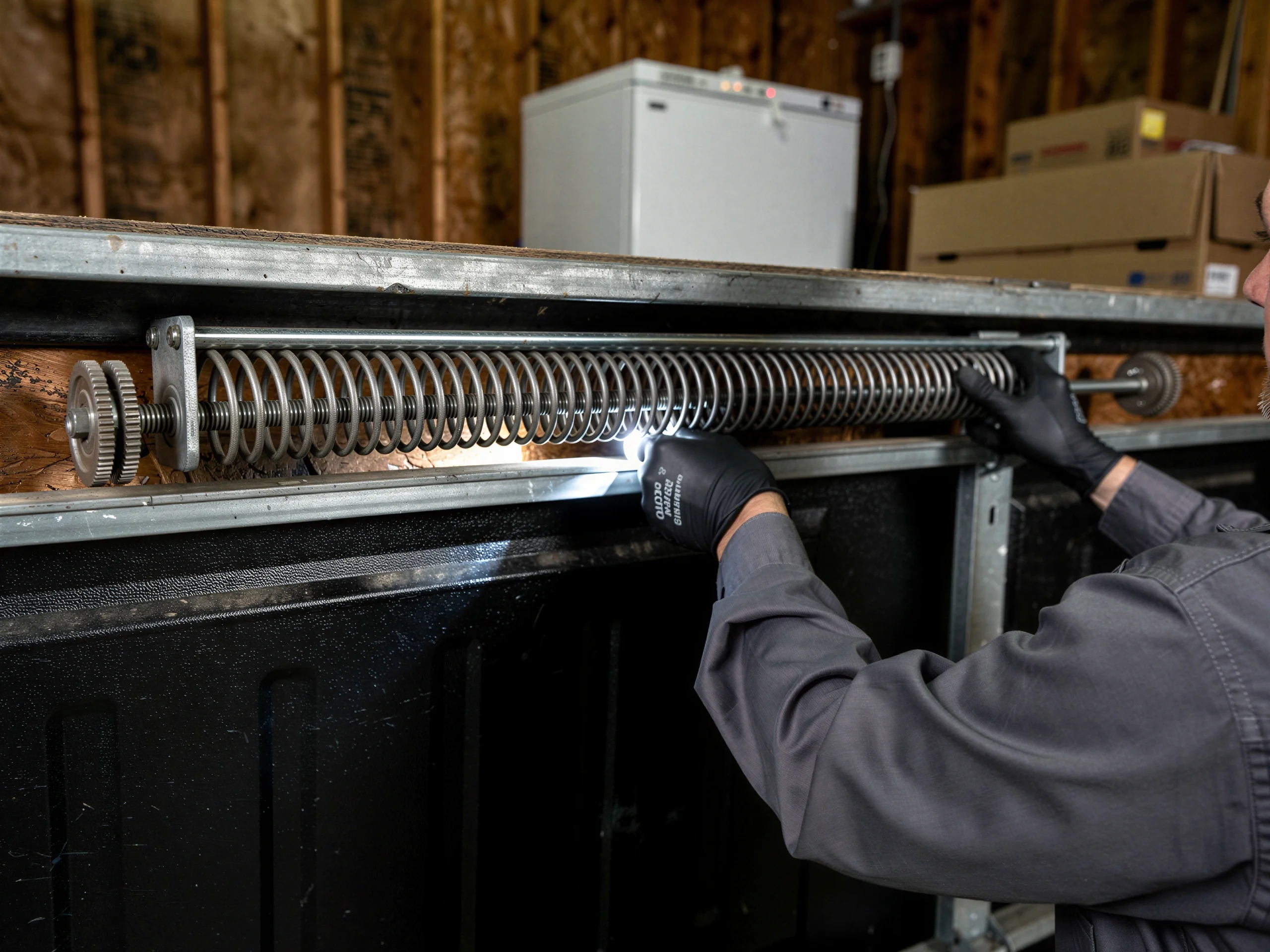
Replace the opener on a door like that and it fails again inside a year, sometimes inside a month. We check the door's own travel and balance before we touch the opener, because fixing the wrong half of the system is the most common way this job gets expensive twice.
The honest limitation: we don't carry every board model for every opener brand on the truck, so a specific control board sometimes means a second trip while we order the part.
The repair
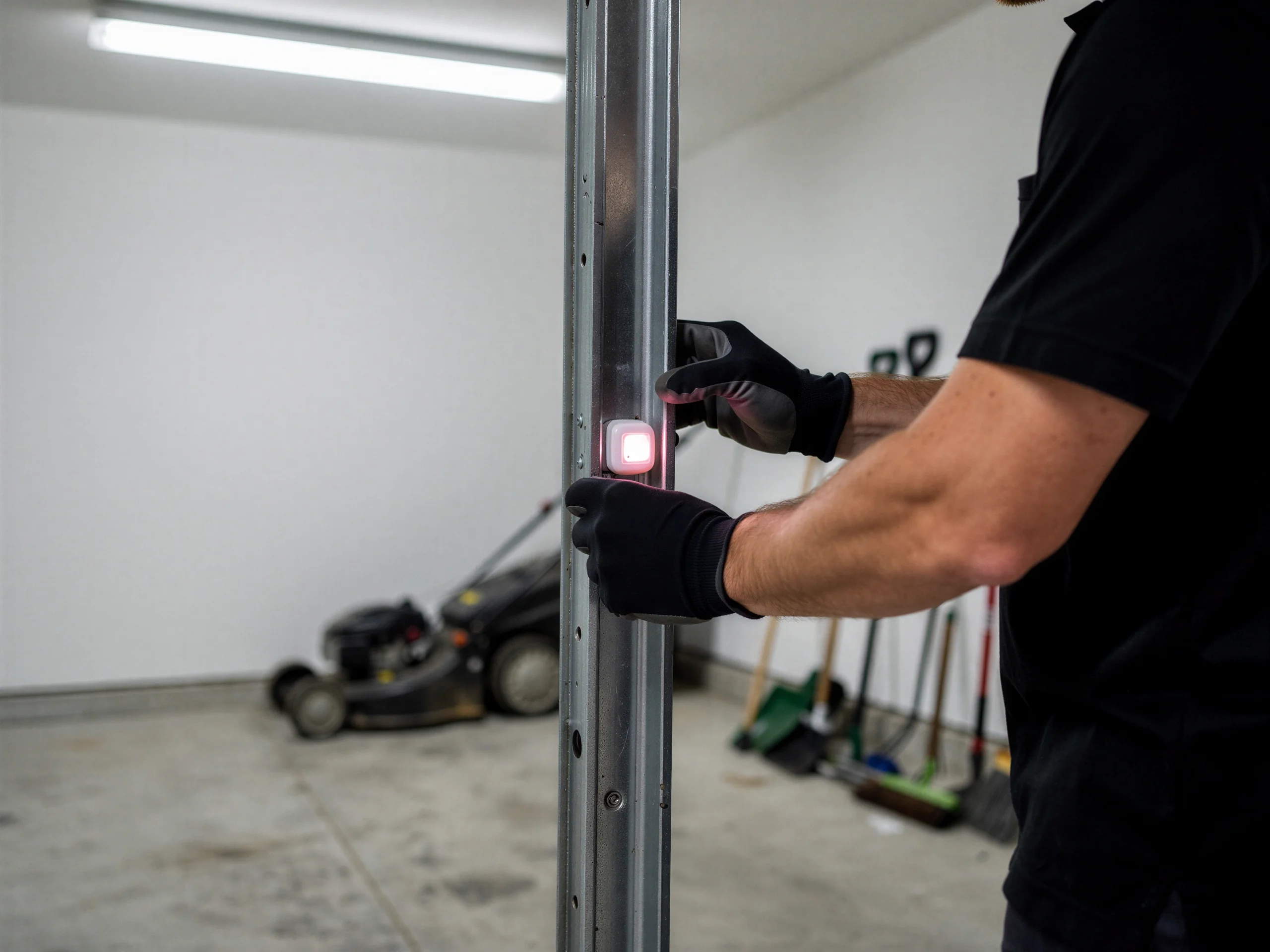
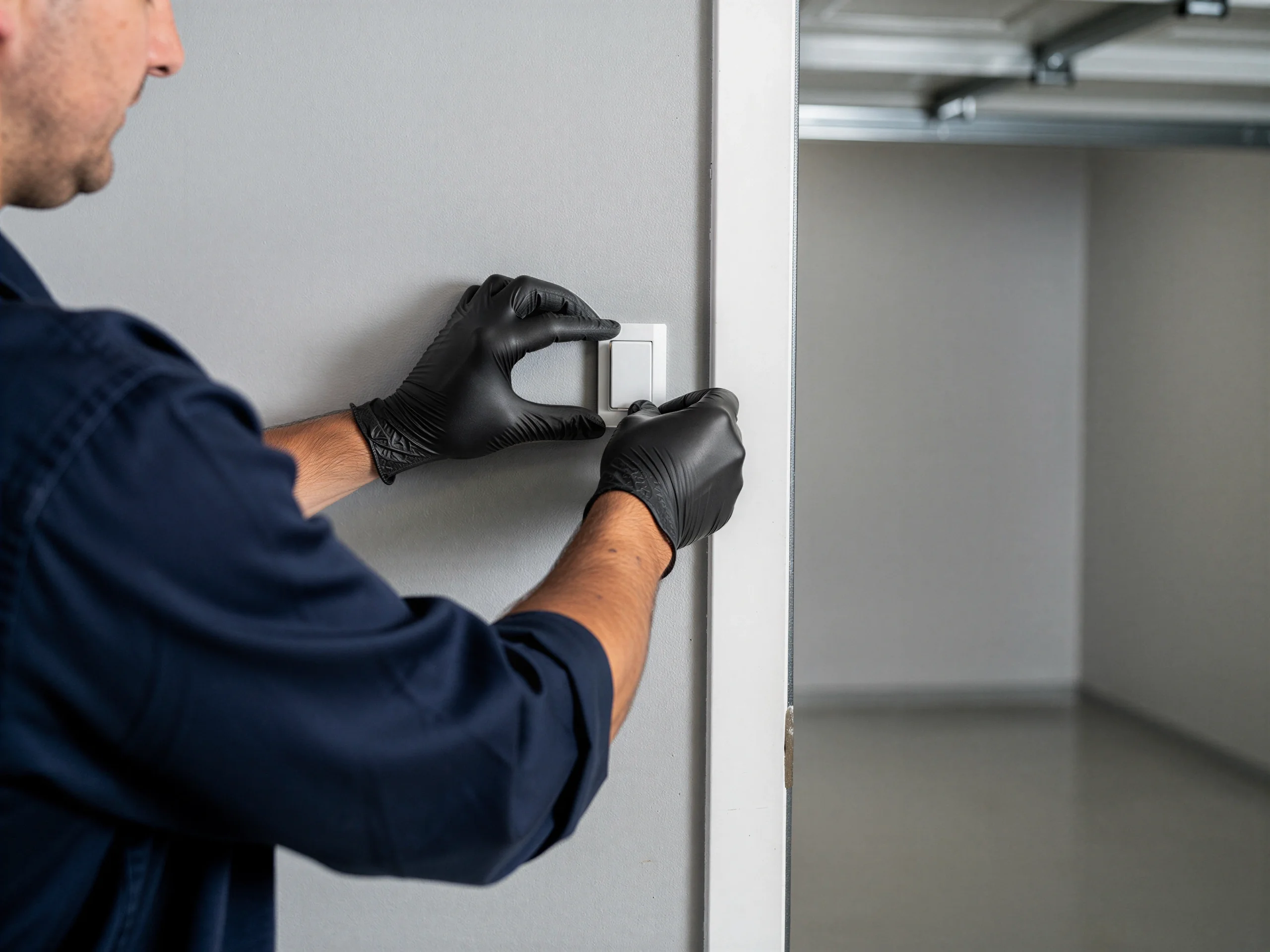
Most calls start with pulling the opener housing to look at the drive gear and the capacitor, since those two parts account for the bulk of failures on units old enough to match San Leandro's housing stock. If the gear's stripped, we replace it and the sprocket together rather than just the gear, since a worn sprocket will strip a new gear just as fast. If the board's dead, we test the transformer and the wall switch wiring before assuming the board itself is bad - a $6 part masquerading as a $150 one is a common trap. For openers where parts aren't available anymore, replacement is the honest answer, and we'll say so rather than patch something that's going to fail again in six months.
Questions
On houses from this build era, that's almost always a stripped drive gear inside the opener housing - the motor spins but nothing transfers to the chain or belt. It's a common failure on units that have been running since the 80s or 90s and it's a parts swap, not a full opener replacement, in most cases.
No. We're based in Alameda and drive the six miles out to San Leandro for calls. There's no local depot or drop-off counter here - we bring the parts and tools on the truck.
Usually yes, if the motor and board are sound and it's just a gear, capacitor, or sensor issue. Given the income range typical to this area, a repair is often the more sensible call than a full replacement, as long as parts for your model are still available.
Not much. The whole area sits in a mild temperate band, so we're not dealing with freeze damage or extreme heat swelling housings here. When an opener fails locally, it's almost always age and cycle wear, not weather.
Explore more
Ready when you are
Alameda Garage Door Pros repairs and installs garage doors, springs and openers in Alameda, CA and the surrounding area.