Serving Alameda, CA & nearby(510) 229-3331
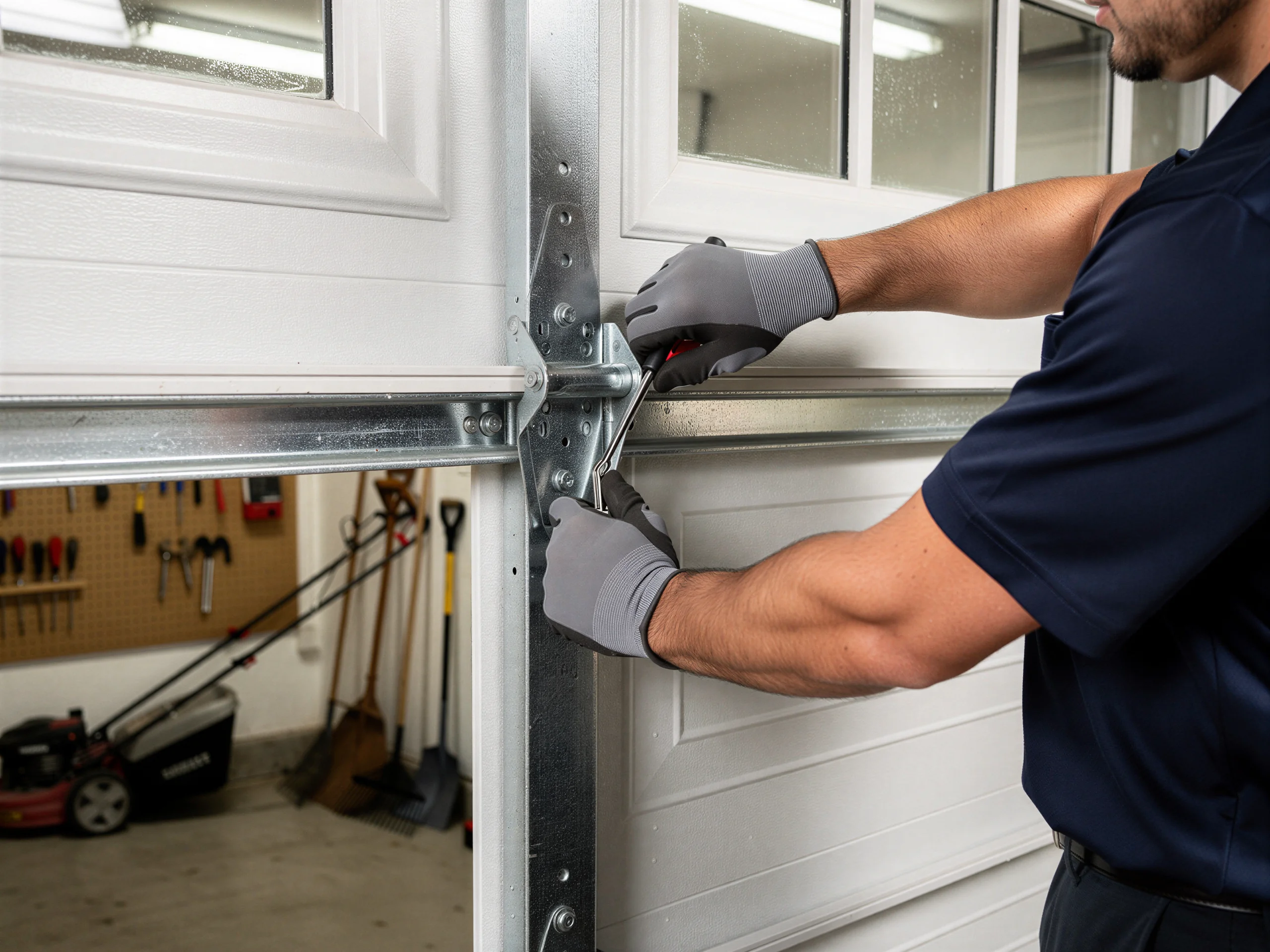
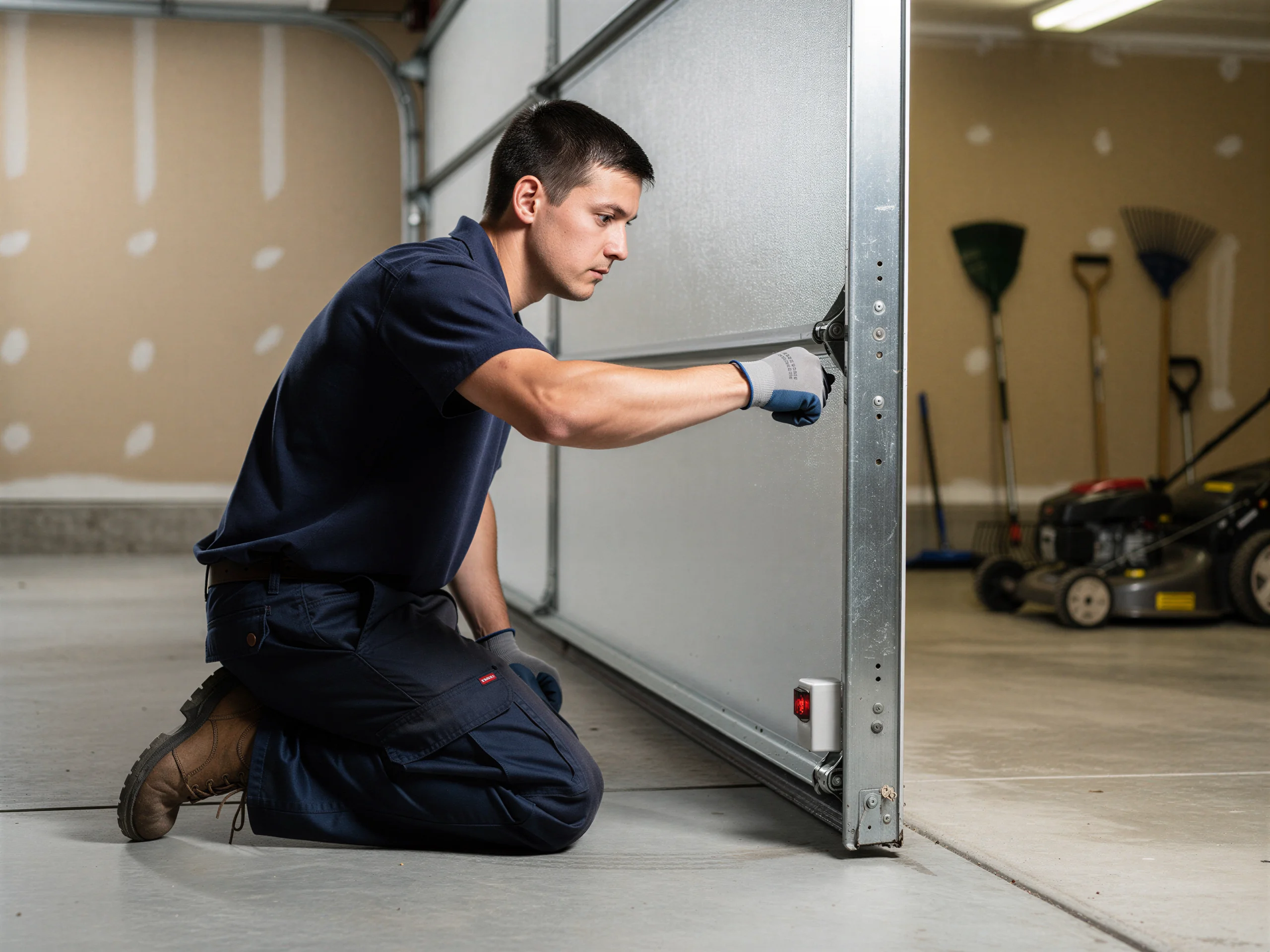
A technician kneels to inspect the bottom roller of a white garage door.

San Leandro, Alameda

Garage Door Service for San Leandro's 1959-Era Garages

San Leandro's housing stock runs older than the service area average, with most lots built around 1959. We travel 6 miles from Alameda to work on the original hardware still in these garages.

Serving Alameda, CABackground-checked techsHonest, upfront pricingFast local response

Local causes

Why This Fails Locally

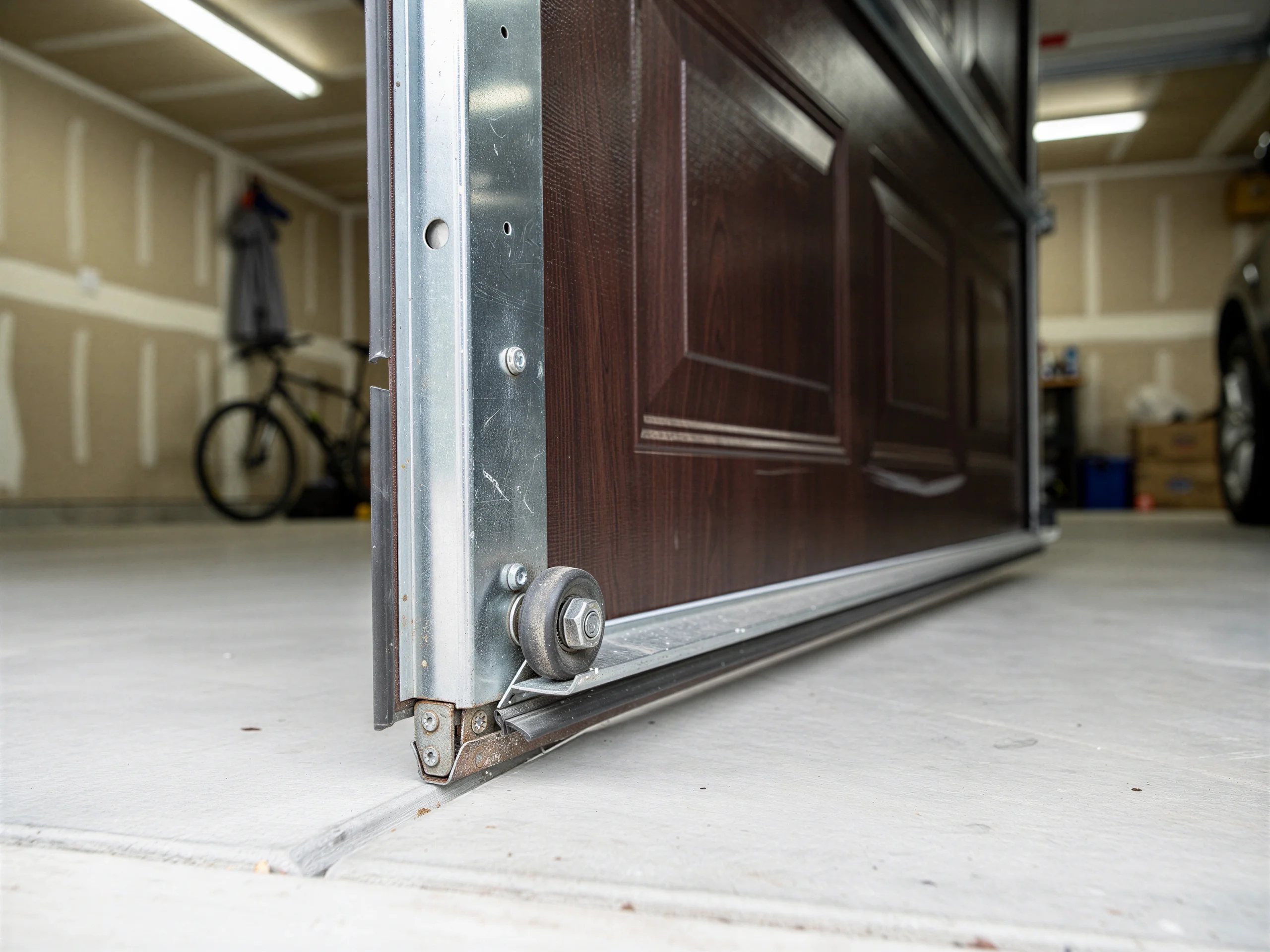
Across the wider service area the median build year sits around 1965, but San Leandro's housing skews older, with a median closer to 1959. That six-year gap matters more than it sounds like. A garage built in 1959 almost never got its torsion hardware swapped out during a remodel the way a 1965 or 1970 build might have. The springs, the end bearing plates, the rollers - a lot of it is original, or close to it, because nobody opens a wall to replace a spring, so these parts just stay until they fail.

We see it when we come out from Alameda, six miles over: a door that looks fine, opens fine, right up until the cable frays through or the spring finally lets go after six decades of cycles. The track mounts in these garages were often set for door panel weights and spring tensions that don't match anything on a current parts shelf without an adapter bracket. This isn't a San Leandro problem because the town is old in some vague sense - it's a problem because the specific hardware generation installed in 1959 predates a lot of the standardized parts that came after it.

The mild temperate climate here hasn't done much damage to wood or steel panels on its own. It's cycle count and metal fatigue, not weather, that's running out the clock on this hardware.

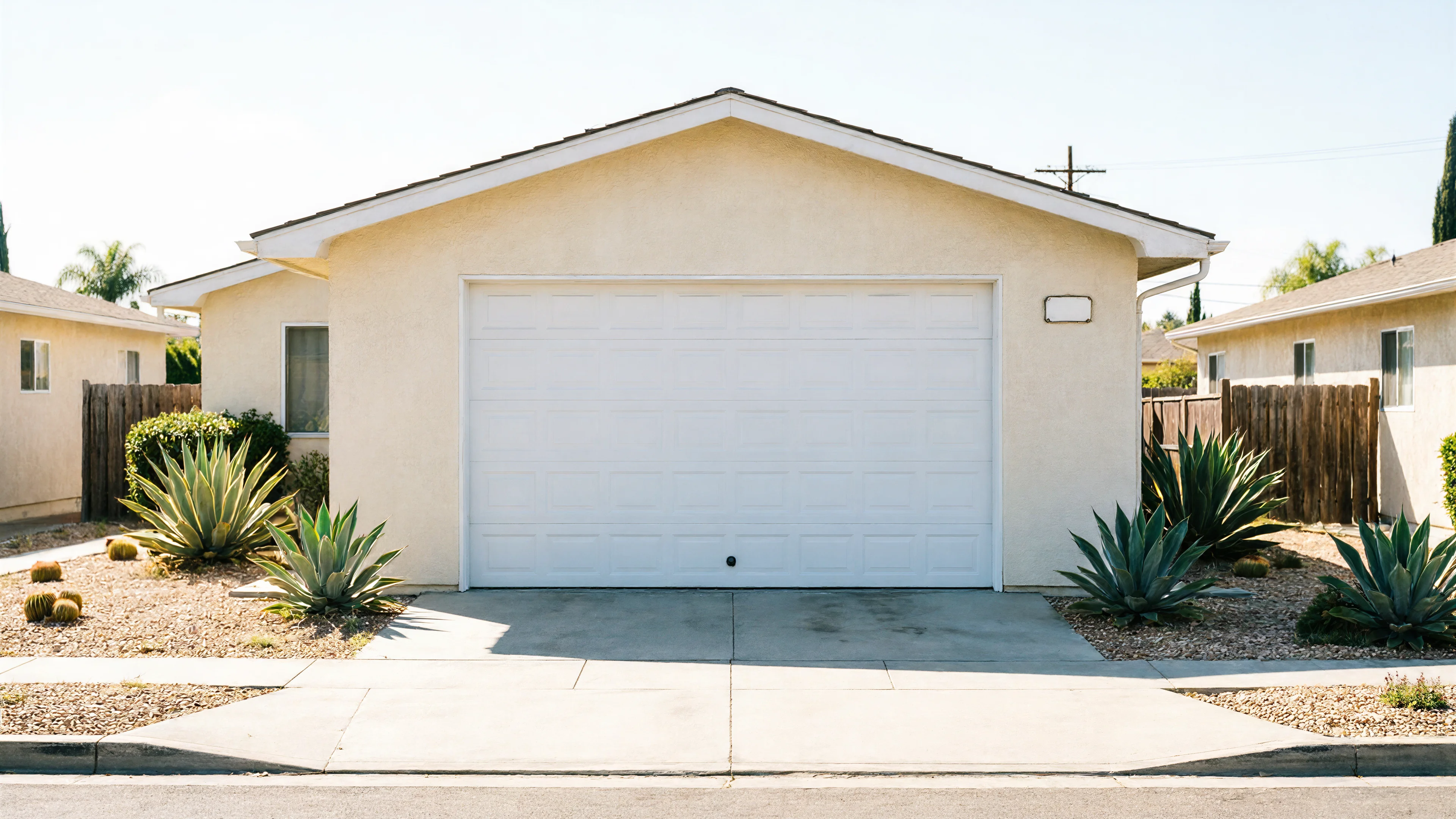
A light yellow house has a white garage door and desert landscaping.

Pricing

What You Pay

We don't have a published price list for San Leandro specifically, and we're not going to invent one. What we can tell you is that jobs on original 1959-era hardware tend to run longer than a straightforward spring swap on a newer door, because matching an obsolete torsion size or finding a bracket that fits an old track mount takes more time on-site than pulling a part off a shelf.

If you want a number before we show up, call and describe the door - age of the house, whether it's ever been serviced, what it's doing. We can usually tell you over the phone whether you're looking at a same-visit fix or a return trip for a part.

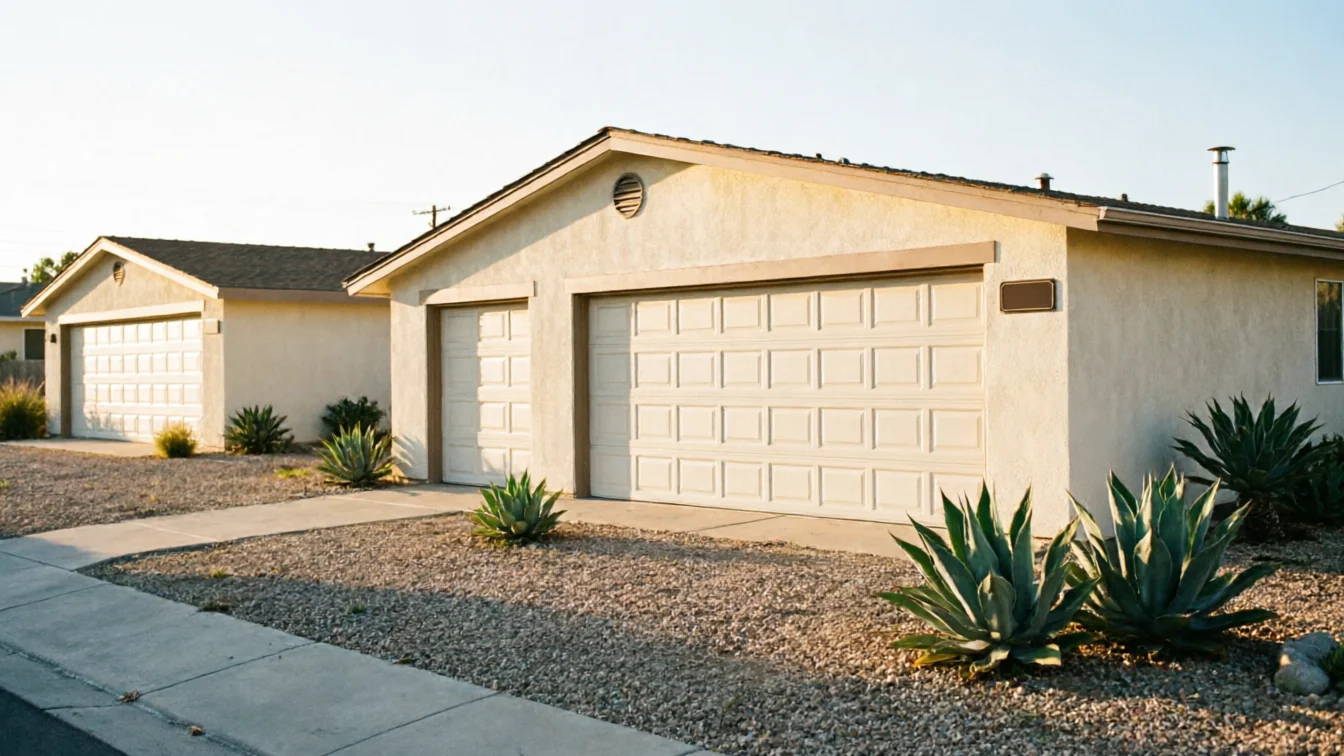
Two houses with tan garage doors and gravel landscaping are visible under a clear sky.

One honest limitation: if the opener or spring size on your door was discontinued, we may need to order a part rather than carry it on the truck. We'd rather tell you that up front than quote a number we can't hit.

Symptoms

The Symptom

The door people call us about in San Leandro usually isn't making a dramatic noise. It's a door that's gotten heavy - slower to lift, maybe the opener strains or reverses partway up, maybe someone's had to help it over the last foot by hand.

Heaviness from lost tension

That's a spring losing tension, not an opener problem, even though the opener usually gets blamed first. On a door built around 1959 with original torsion hardware, that gradual heaviness is the spring reaching the end of a multi-decade service life rather than a defect.

Thin-gauge cable fraying

Sometimes it's a cable starting to fray at the drum, which on an old door often has a thinner gauge than what's used now and won't survive many more cycles once it starts to go.

Age over climate

What we don't see as often here: trouble tied to the mild climate itself, like panel warping from heat or rust from salt exposure. That's just not the driver on this side of the service area. The driver is age of the hardware, plain and simple.

Watch-outs

Where This Job Goes Sideways

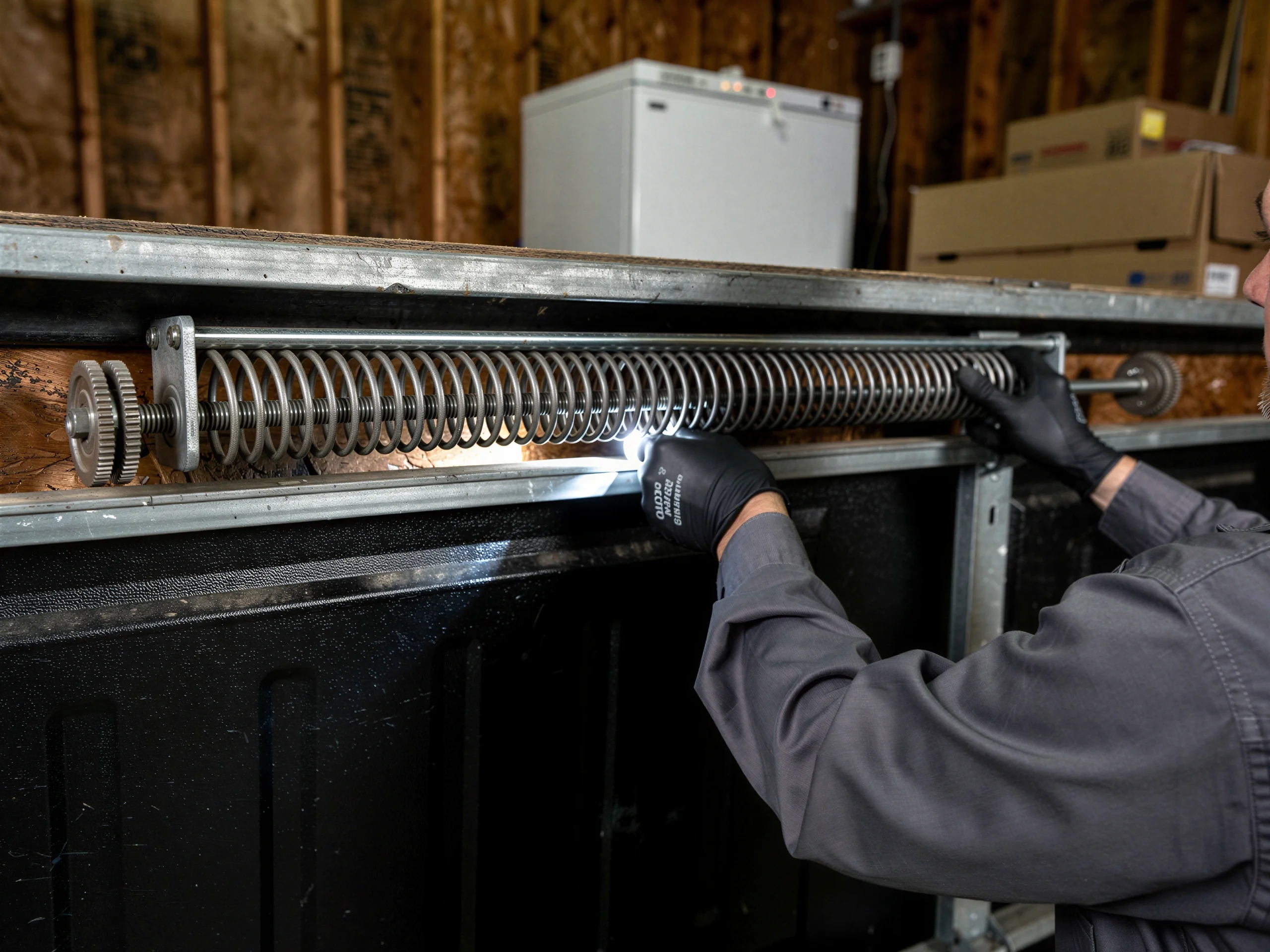
The trouble spot on a 1959-era door is the mismatch between what's installed and what's stocked today. Torsion spring wind and wire diameter changed over the decades, and a tech who shows up with a modern universal spring kit can find it doesn't seat right on an original drum or end bearing plate from that build year.

Adapters for old brackets

Same with track brackets - older wall-mount configurations sometimes need an adapter that a truck doesn't carry by default. The other way it goes sideways is scope creep that isn't really creep - it's just what an old door needs.

Chain of worn parts

Replace one worn part on a 60-plus-year-old torsion system and the next part down the line is often close behind it. A cable swap can surface a drum that's also worn past spec. We'd rather tell you that during the visit than let it come as a surprise on the invoice.

Look before return trips

We travel from Alameda, six miles in, so we're not doing a return trip same-day for a part we didn't expect to need. If there's a real chance the hardware is non-standard, we'd rather look at it in person before quoting anything.

The repair

What the Fix Involves

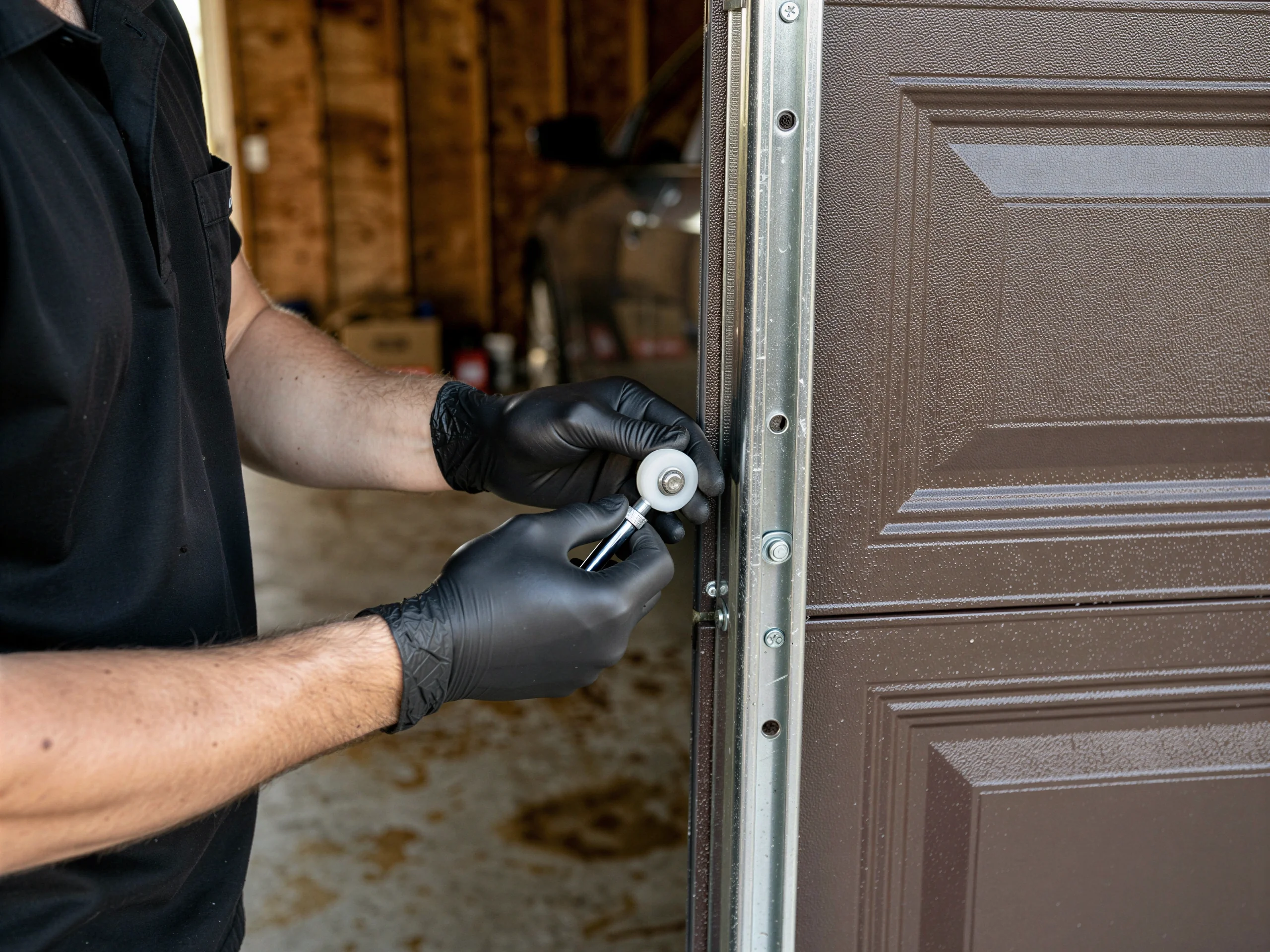
On a door with original 1959-era hardware, the fix starts with measuring what's actually there rather than assuming a standard modern size. Spring wire diameter, coil length, and drum size all get checked against the shaft and door weight before anything gets ordered or installed.

  1. Original track mount angles

    If the track mounts are original, we check those too since brackets from that era sometimes sit at a slightly different angle than current hardware expects. If it's a full spring replacement, we're also checking the cables, rollers, and end bearings while the system is under no tension, since those parts are usually the same age and close to the same wear point.

  2. Replace worn cable too

    Replacing a spring and leaving a worn cable next to it just means a second call later. For anyone in San Leandro weighing repair against full replacement: if the door is original to a 1959 build and several components are failing at once, a new door with current hardware can end up making more sense than patching a 60-year-old system part by part.

  3. Presenting both options

    We'll lay out both options rather than push one. More on how we cover this stretch of the service area: see our San Leandro garage doors page, or how the work is run out of our home base on the Alameda garage door service page.

Questions

Common questions

Is my garage door spring original to the house if it was built in 1959?

It's possible, and more likely here than in a newer part of the service area. A lot of 1959-era garages never had their torsion hardware touched unless something broke outright. If your door has never been serviced, assume the spring, cables, and drums are original until a tech tells you otherwise.

Do you have a shop in San Leandro?

No. We're based in Alameda and travel into San Leandro for jobs, about six miles each way. We don't keep a branch or depot there, so we can't promise a particular same-day window - call and we'll tell you what we can do.

Why does an old torsion spring need a special part instead of a standard one?

Spring wire diameter and coil length changed over the decades, and a door built around 1959 may use a size that doesn't match what's on a standard truck stock today. We measure before ordering rather than forcing a modern kit onto an older shaft and bearing setup.

Should I repair or replace a door this old?

Depends on how much of the system is failing at once. One worn spring on an otherwise sound door is worth fixing. If the cables, rollers, and track are all near the end of their life together, a full replacement with current hardware often costs less over time than repeated repairs.

Ready when you are

Need garage door service in San Leandro?

Alameda Garage Door Pros repairs and installs garage doors, springs and openers in Alameda, CA and the surrounding area.

Call Now(510) 229-3331