Serving Alameda, CA & nearby(510) 229-3331
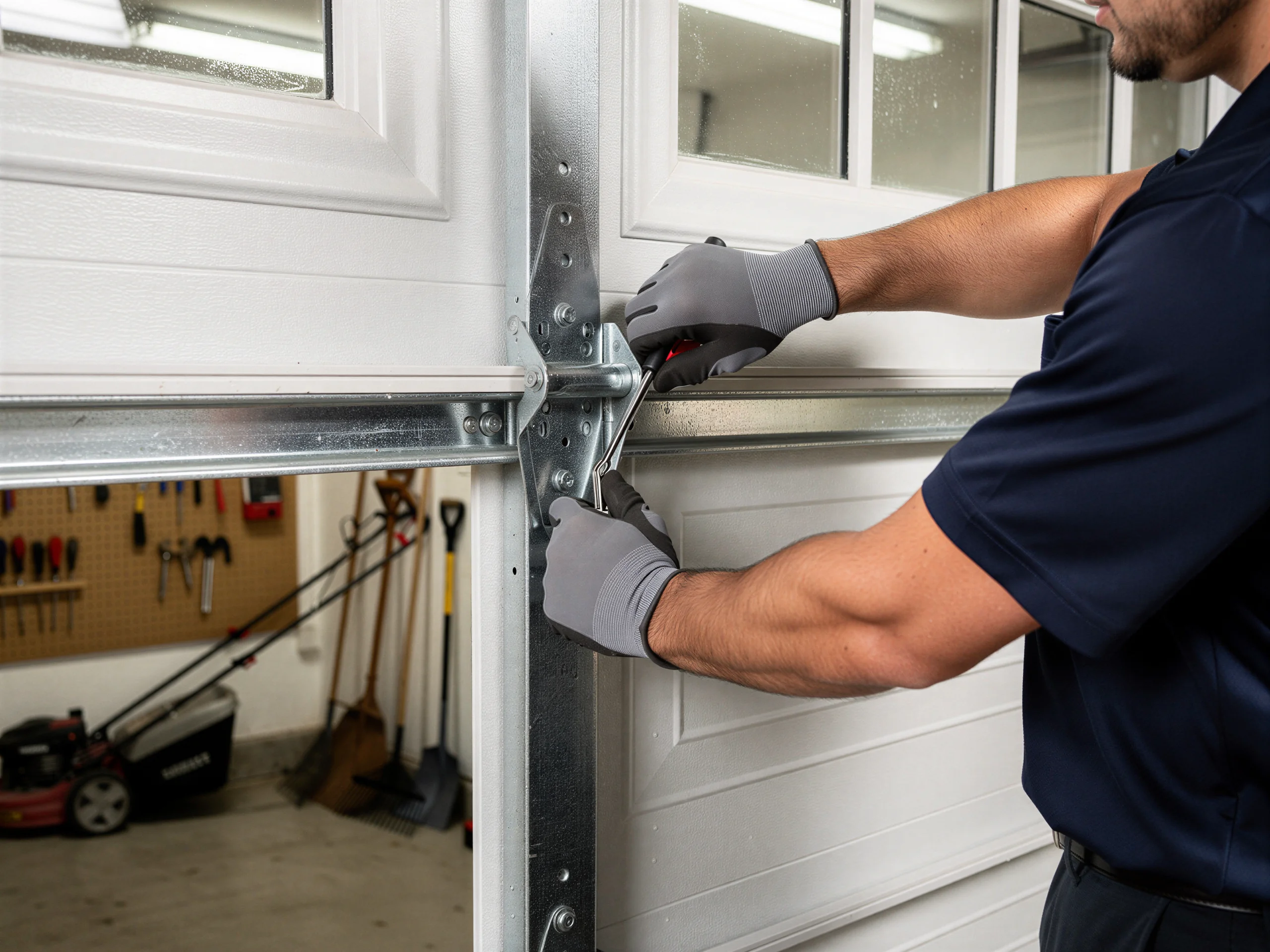
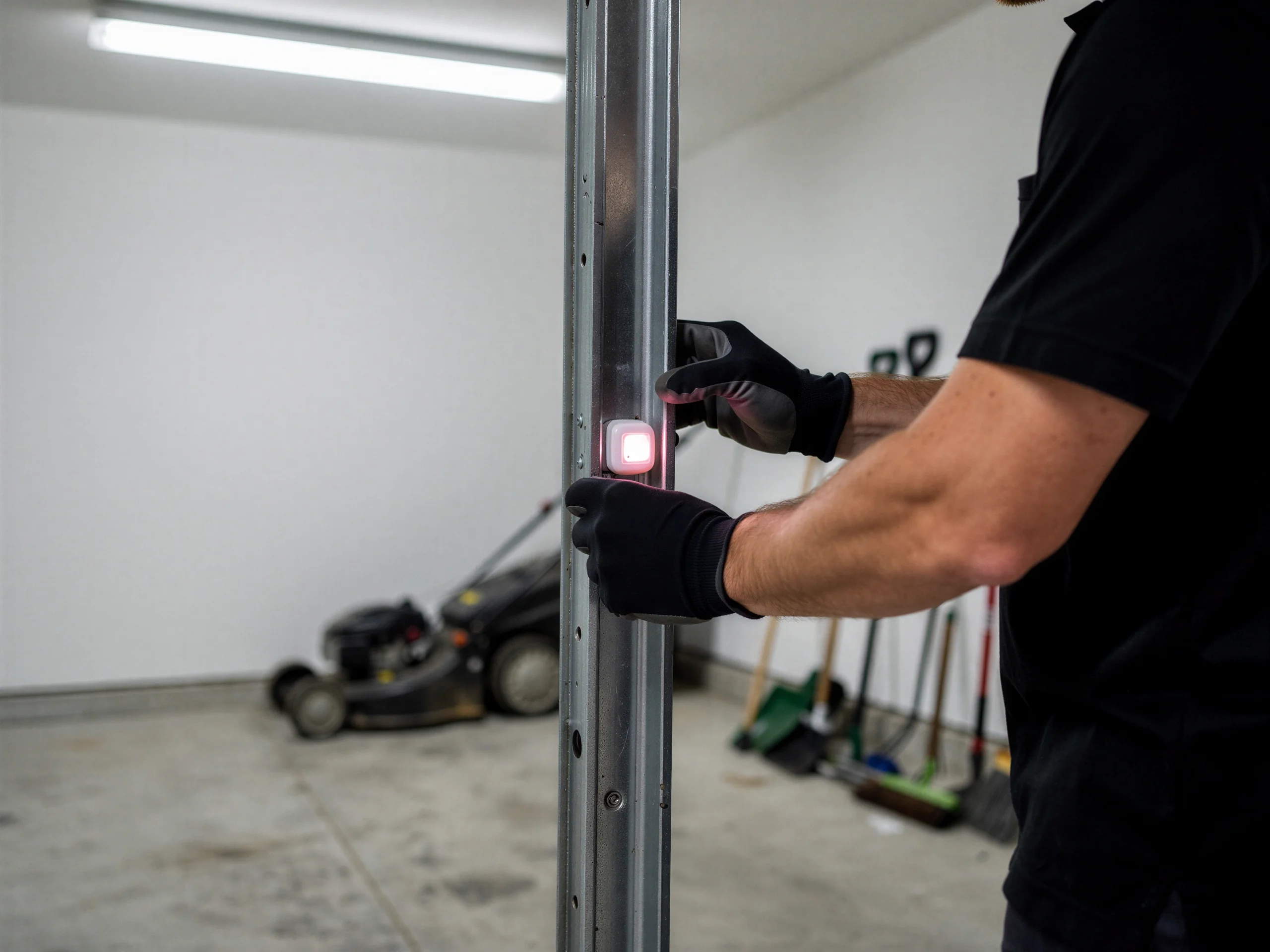
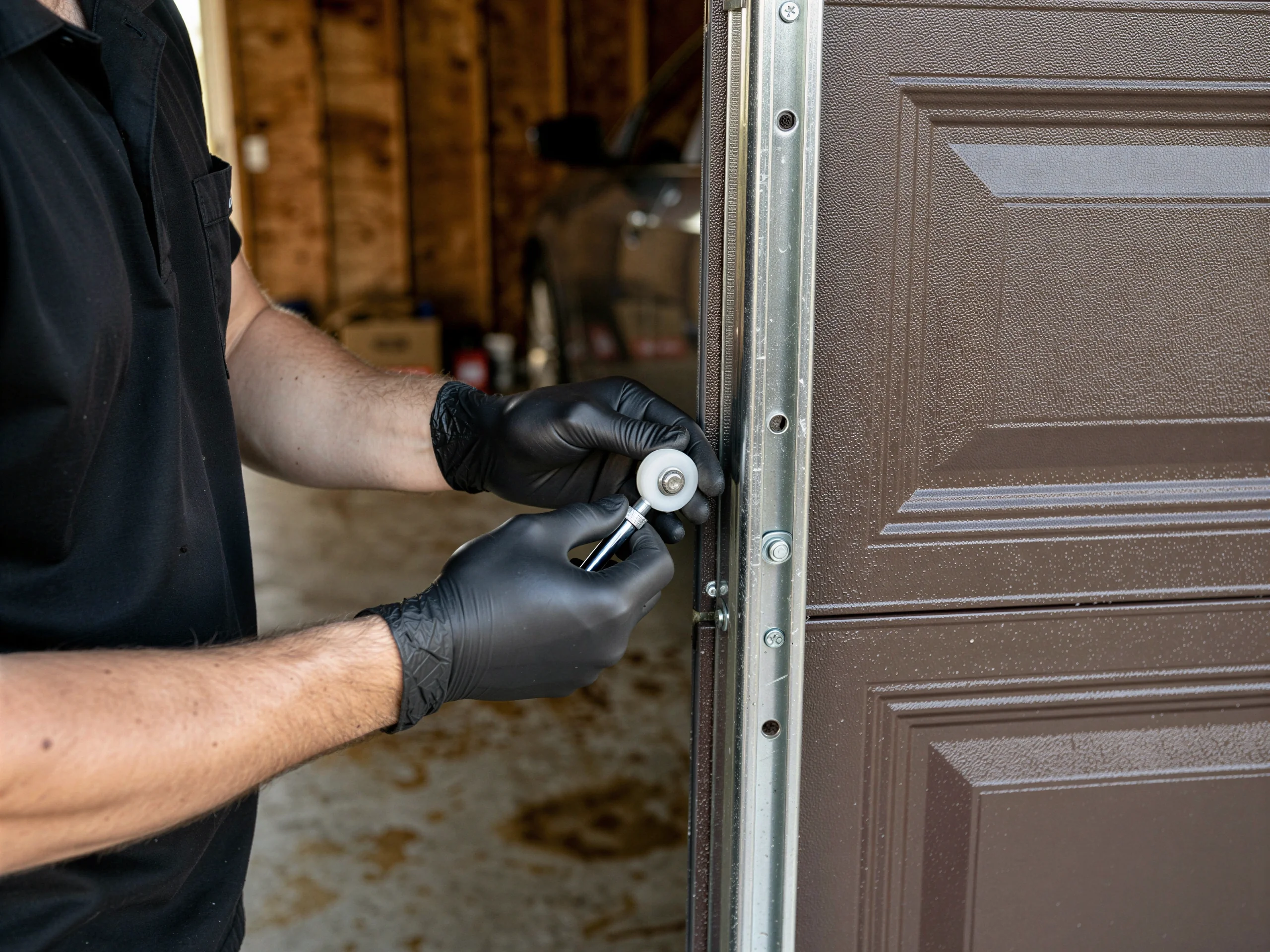
A technician in black gloves works on a garage door torsion spring.

Castro Valley, Alameda

Broken Torsion Spring Repair for Castro Valley Homes

Most Castro Valley homes date to the mid-1960s, with original torsion hardware. Alameda Garage Door Pros repairs broken springs here, 11 miles from the shop.

Serving Alameda, CABackground-checked techsHonest, upfront pricingFast local response

Local causes

Why This Fails Locally

Serving Alameda, CA

The median household income in Castro Valley runs $138,069, well under the $163,199 median across the wider service area we cover. That gap matters more than people think when a spring breaks, because it sets where the repair-or-replace line actually falls. A torsion spring job on a sound door is cheap insurance; a door that's also fighting worn rollers, a tired opener, and a bent track starts pushing toward replacement math fast, and incomes here mean more owners are weighing that call carefully instead of just saying yes to whatever's quoted.

The other number that matters is the build date. Houses in Castro Valley cluster around 1966, square in the 1960s-70s stock that makes up most of the 53 named areas in our service area. That generation of garage was built with torsion hardware sized for the lighter doors of the time - single-layer steel, no insulation, no windows adding weight. When a spring on one of these doors finally gives out after decades of cycling, it's rarely a surprise failure. It's the last stage of a part that was never going to last forever, on a door that was never built with easy spring swaps in mind.
Job timing

Time on the Job

We run this job out of Alameda, 11 miles from Castro Valley, and that drive is built into how we schedule the call - we don't stage a crew or keep parts stocked locally here.

Winding and wire gauge

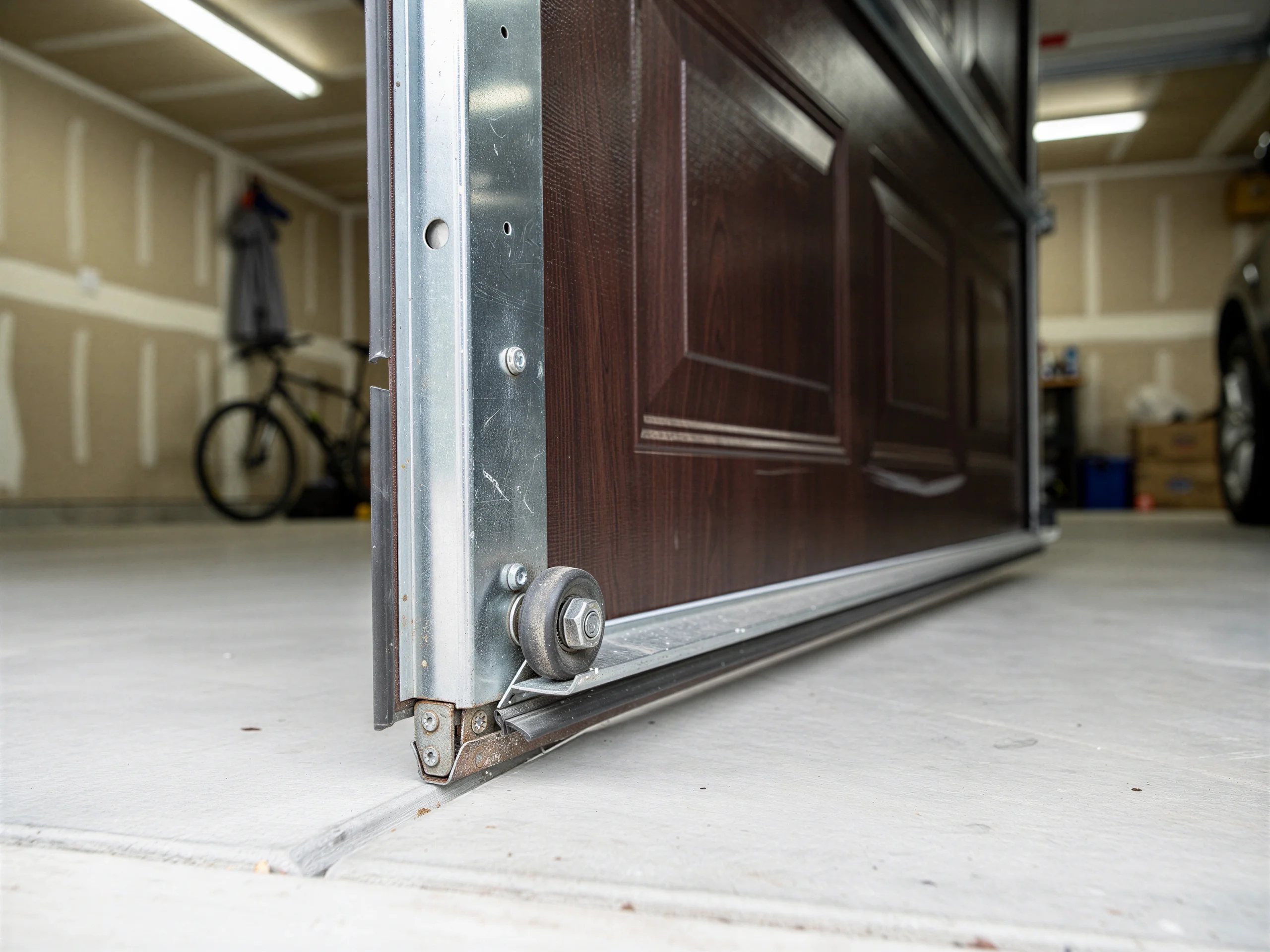
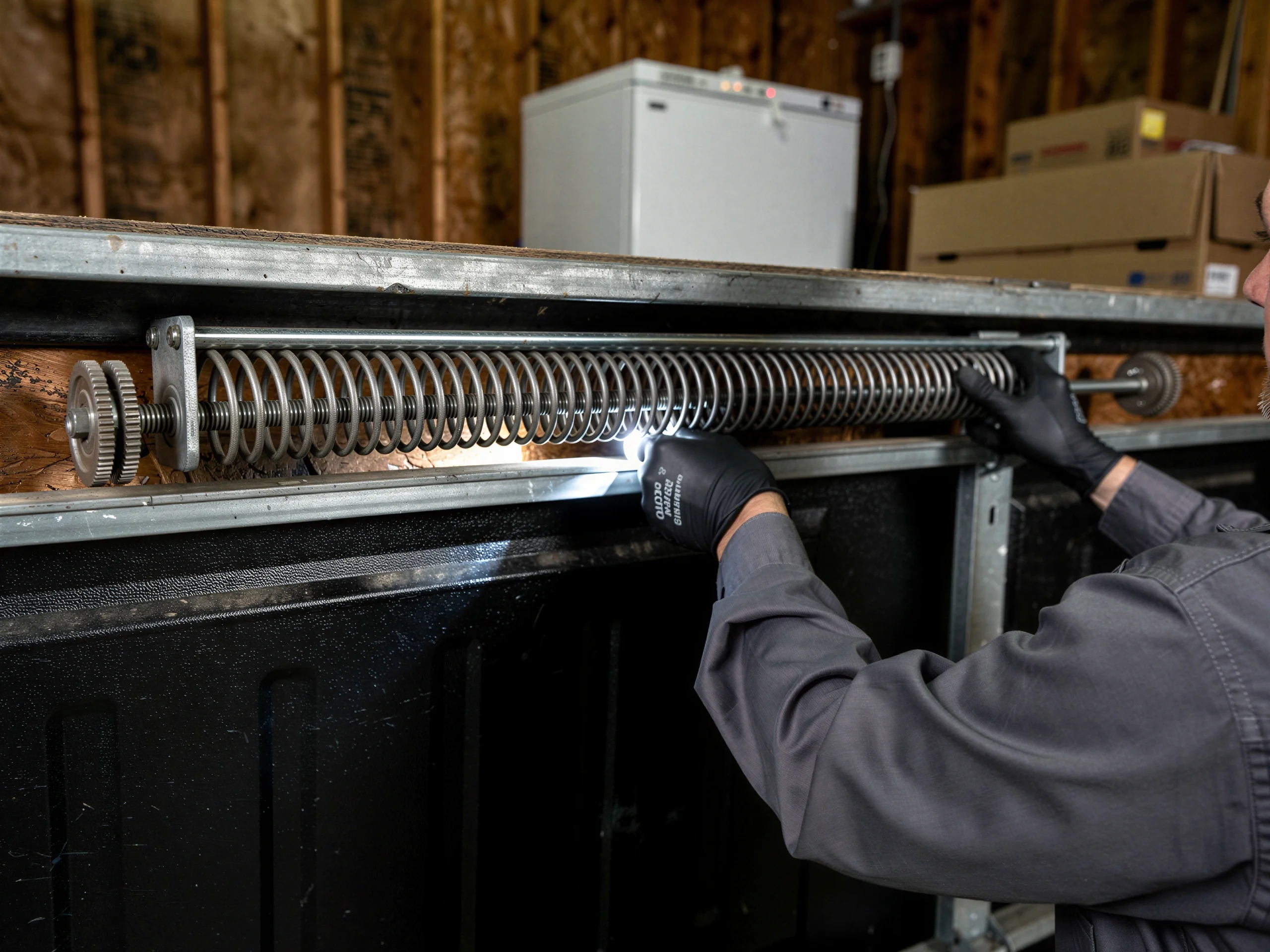
Once we're on site, the spring swap itself is a mechanical job: unwind the old spring under tension, confirm the wind direction and wire gauge match the door's weight, set the new spring, and check the cable drums and bearing plates while the door's open anyway.

Worn drums and bearings

On a 1966-era door, that last step takes longer than people expect. Decades of use on original hardware means bearing plates worn oval, drums that don't spin true anymore, or a center bracket that's been shimmed once already by someone else.

Same-visit spring job

None of that is unusual for a house this age, and it's also the honest limitation here: if the spring is the only thing wrong, it's a same-visit job. If the hardware around it has aged out too, we tell you before we close it back up, not after.

Symptoms

The Symptom

The classic sign is a door that feels heavier than it used to - you pull the release cord and the thing drops fast instead of settling, or the opener strains and reverses halfway up.

Gradual lift then bang

Sometimes it's a loud bang from the garage, which is usually the spring letting go rather than anything breaking off outright. On houses from the Castro Valley building era, the symptom often shows up gradually first: the door starts lifting unevenly, one side higher than the other, before the spring finally snaps.

Unmatched spring pairs

That's the torsion bar twisting under uneven tension as one spring weakens faster than its pair - common on original hardware that's never been matched or replaced as a set.

Fatigue over corrosion

The mild climate here doesn't accelerate spring fatigue the way humid or freeze-thaw regions do, so when a spring goes in this area, it's almost always straight metal fatigue from cycle count, not rust or weather damage eating the coils from outside.

Watch-outs

Where This Job Goes Sideways

The most common mistake on these older doors is installing a spring sized for the door's current weight instead of its original weight. Over the years, owners add insulation kits, swap in a heavier opener, or replace a damaged panel with something not quite matched to the rest - and the new spring has to account for all of that, not just the factory spec from 1966.

Two-car doors built in this era sometimes run on a pair of springs that were never serviced together, so one is original and one was swapped at some point by a previous owner or a past repair. Replacing just the broken one and leaving a mismatched pair on the bar is asking for the other side to fail within a year or two. The other sideways turn is hardware fatigue hiding behind the spring complaint - lag bolts backed out of an aging jamb, a center bracket that's cracked and just hasn't let go yet. We check all of it before calling the job done, because a new spring on bad hardware just moves the failure point.

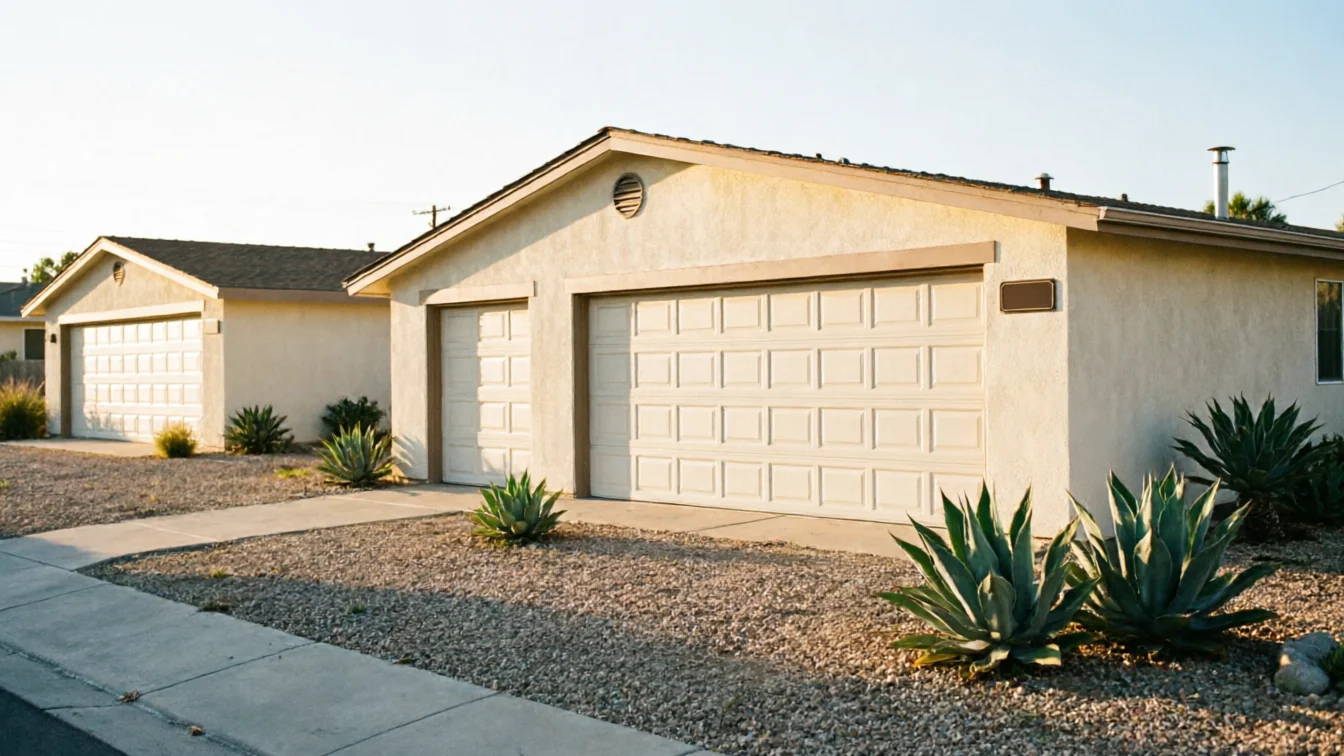
Two houses with tan garage doors and gravel landscaping are visible under a clear sky.

Pricing

What You Pay

We don't have a fixed number to post here, because spring jobs vary with door weight, spring count, and what else turns up once the door's open - and quoting blind on an older door is how you end up explaining a change order later. What we can say is how the decision usually breaks for Castro Valley: at a median household income of $138,069, a straight spring swap on an otherwise sound door is a repair most owners move on right away. It's when the spring failure surfaces other problems - cracked panels, a dying opener, hardware that's been patched before - that the math starts to tip toward asking whether a full door replacement makes more sense than layering another repair onto a 1966-era setup. We'll tell you which situation you're in before we start work, not after.

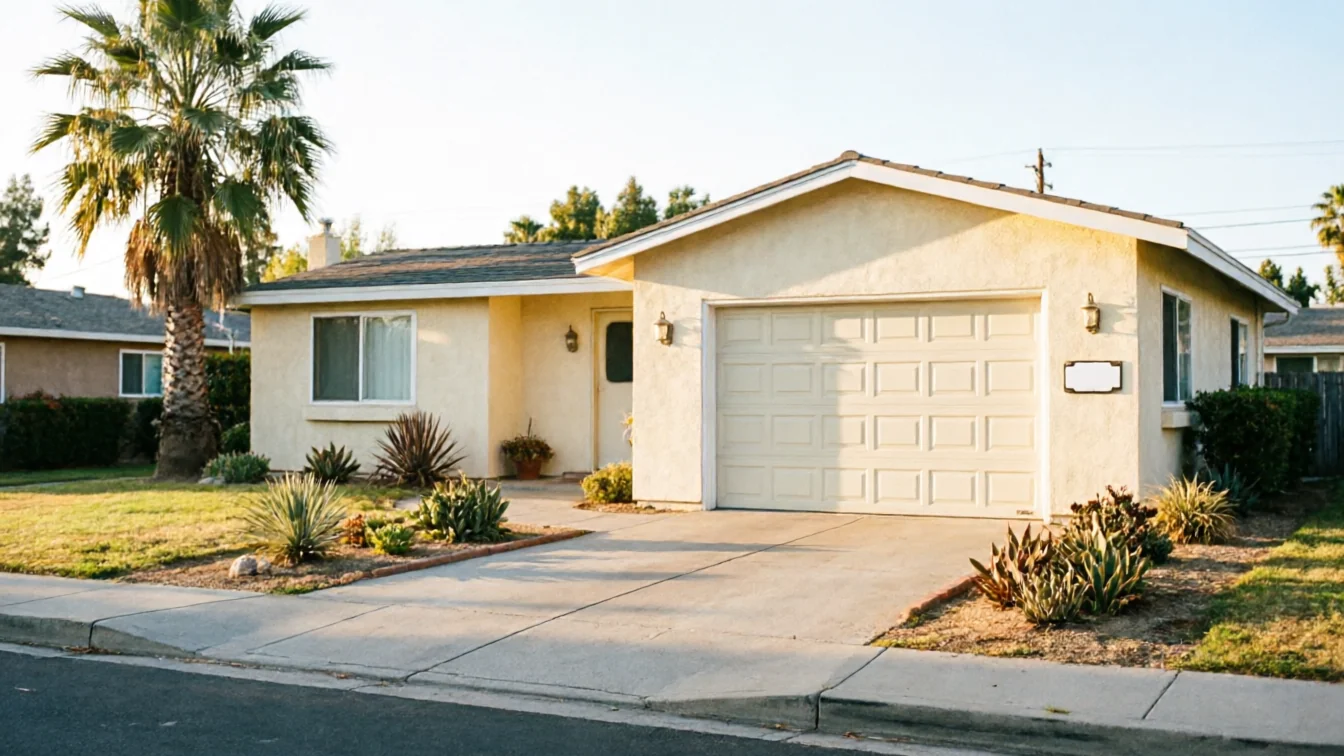
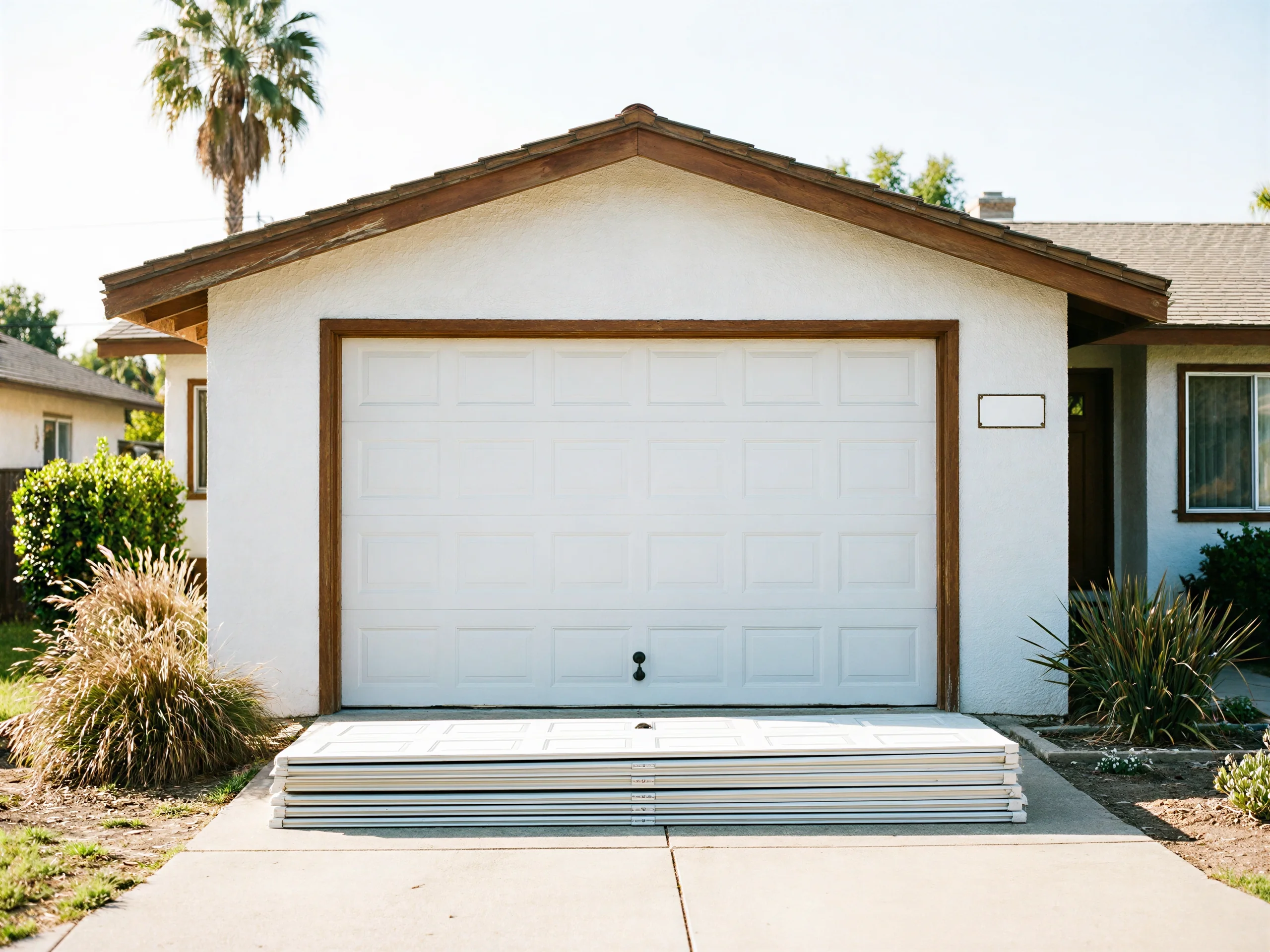
A light yellow house with a white garage door and a palm tree in the front yard.

Questions

Common questions

Why does my garage door feel so heavy all of a sudden in Castro Valley?

That's almost always a broken or weakening torsion spring. The spring carries most of the door's weight, so when it fails, the opener or your arm has to do all the lifting. On houses from the mid-1960s building era common here, it's usually just fatigue after decades of daily cycles, not a sign of anything else wrong.

Do you keep spring parts stocked for same-day repairs in Castro Valley?

We work out of Alameda, about 11 miles away, and build the trip into scheduling rather than keeping a local stock point in Castro Valley. Most spring jobs are a same-visit repair once we're on site and confirm the size and wind direction your door needs.

Should I replace both springs if only one broke?

If your door is original to a 1960s-era house and the other spring hasn't been swapped recently, yes - replacing just one leaves a mismatched pair under uneven tension, and the older one usually fails within a year or two anyway. If the other spring was already replaced recently, it may not need touching.

Is it ever better to replace the whole door instead of just the spring?

Sometimes. If the spring failure shows up alongside a tired opener, cracked panels, or hardware that's been patched before on an older door, the repair cost can start stacking up toward what a new door costs. We'll walk through that tradeoff with you on site rather than guess at it over the phone.

Ready when you are

Broken garage door spring in Castro Valley?

Alameda Garage Door Pros repairs and installs garage doors, springs and openers in Alameda, CA and the surrounding area.

Call Now(510) 229-3331