Serving Alameda, CA & nearby(510) 229-3331
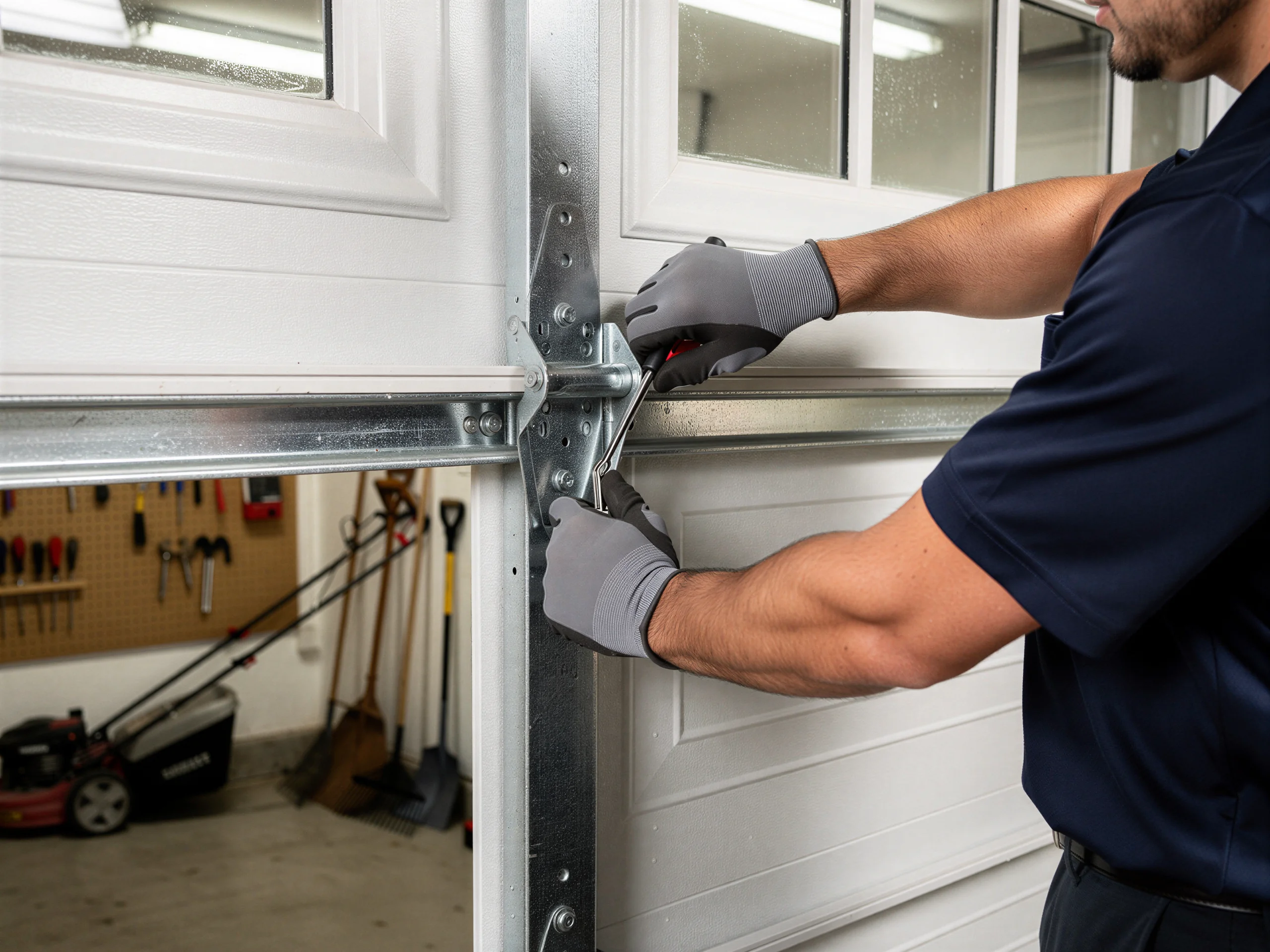
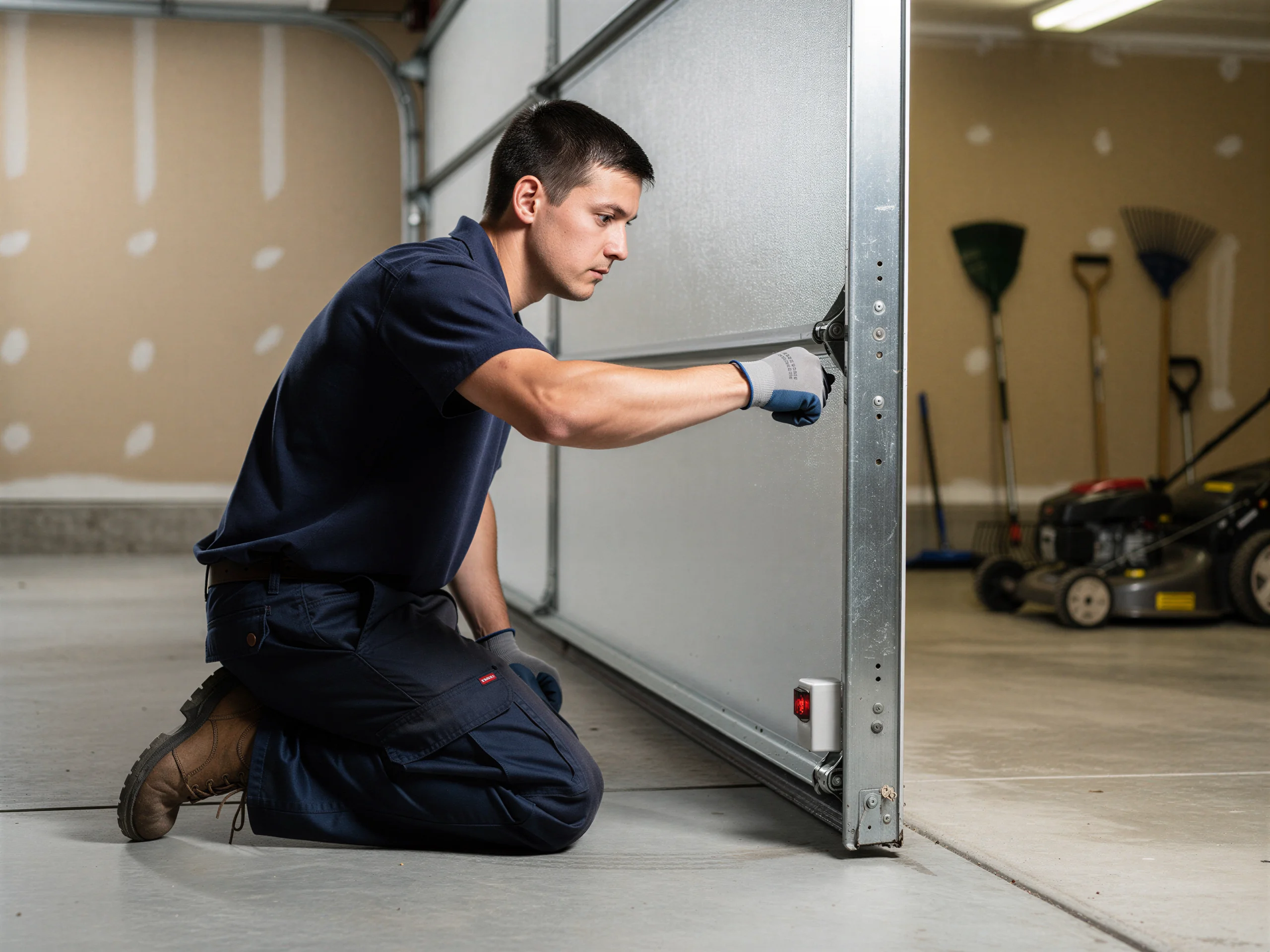
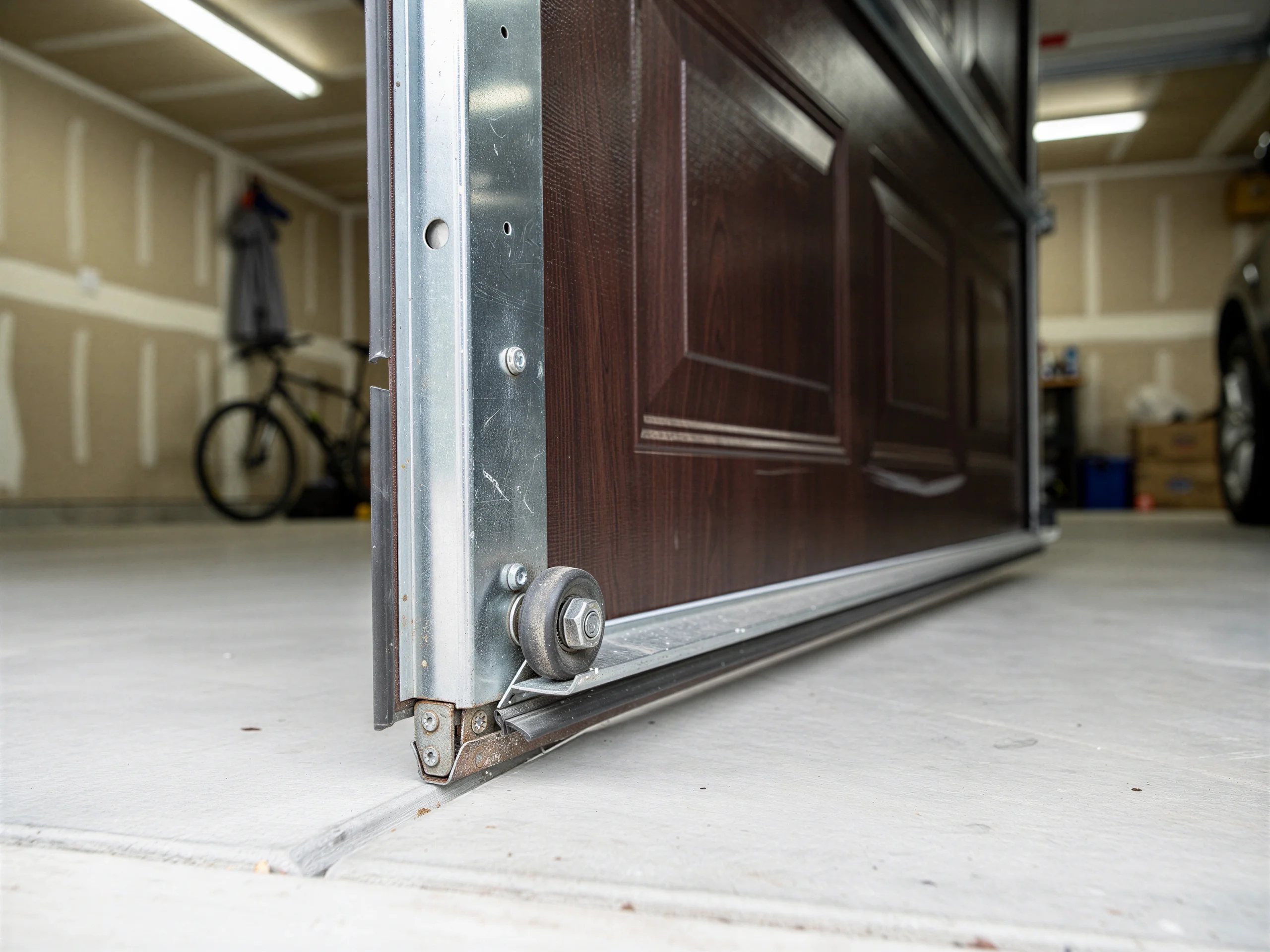
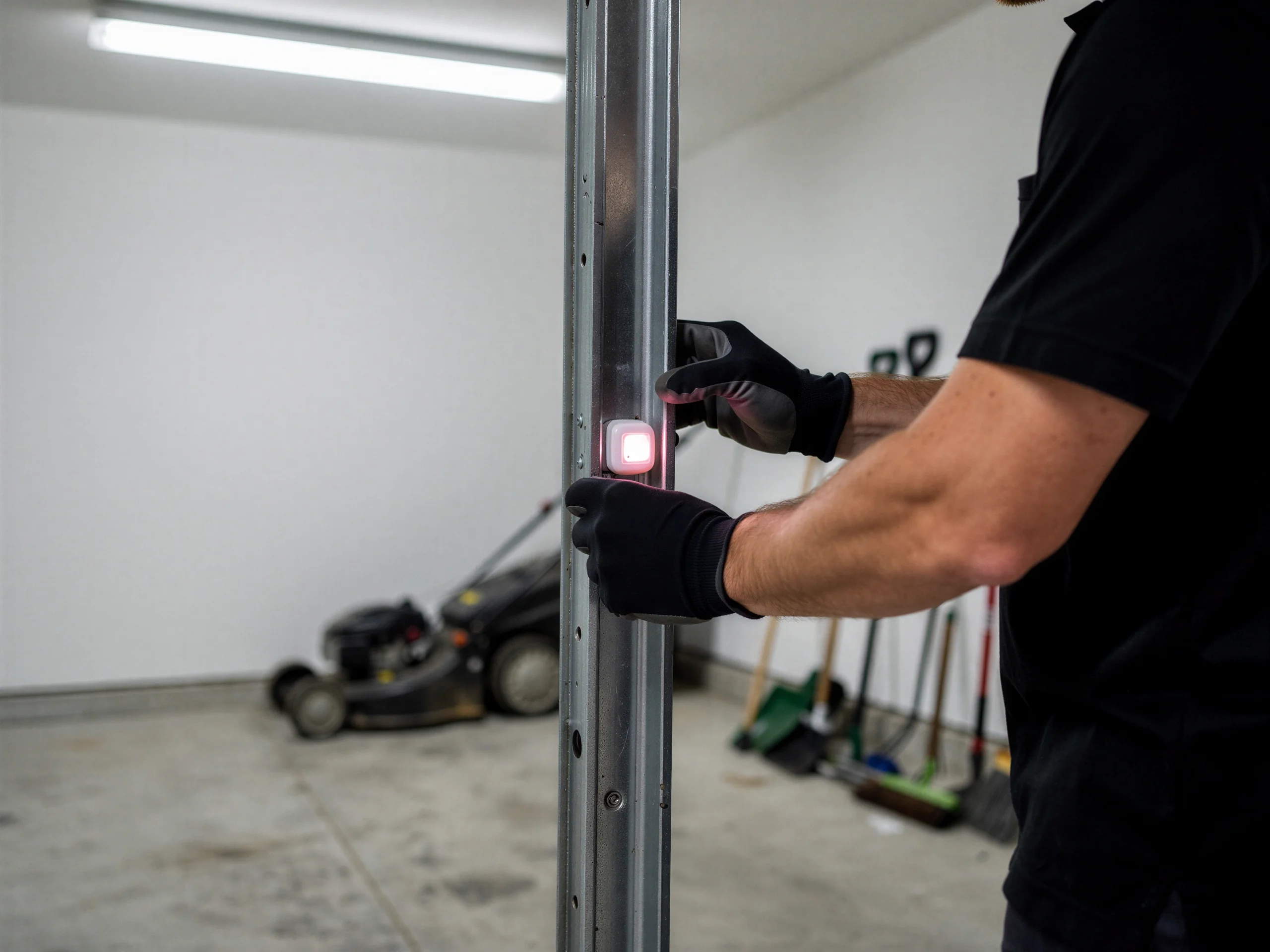
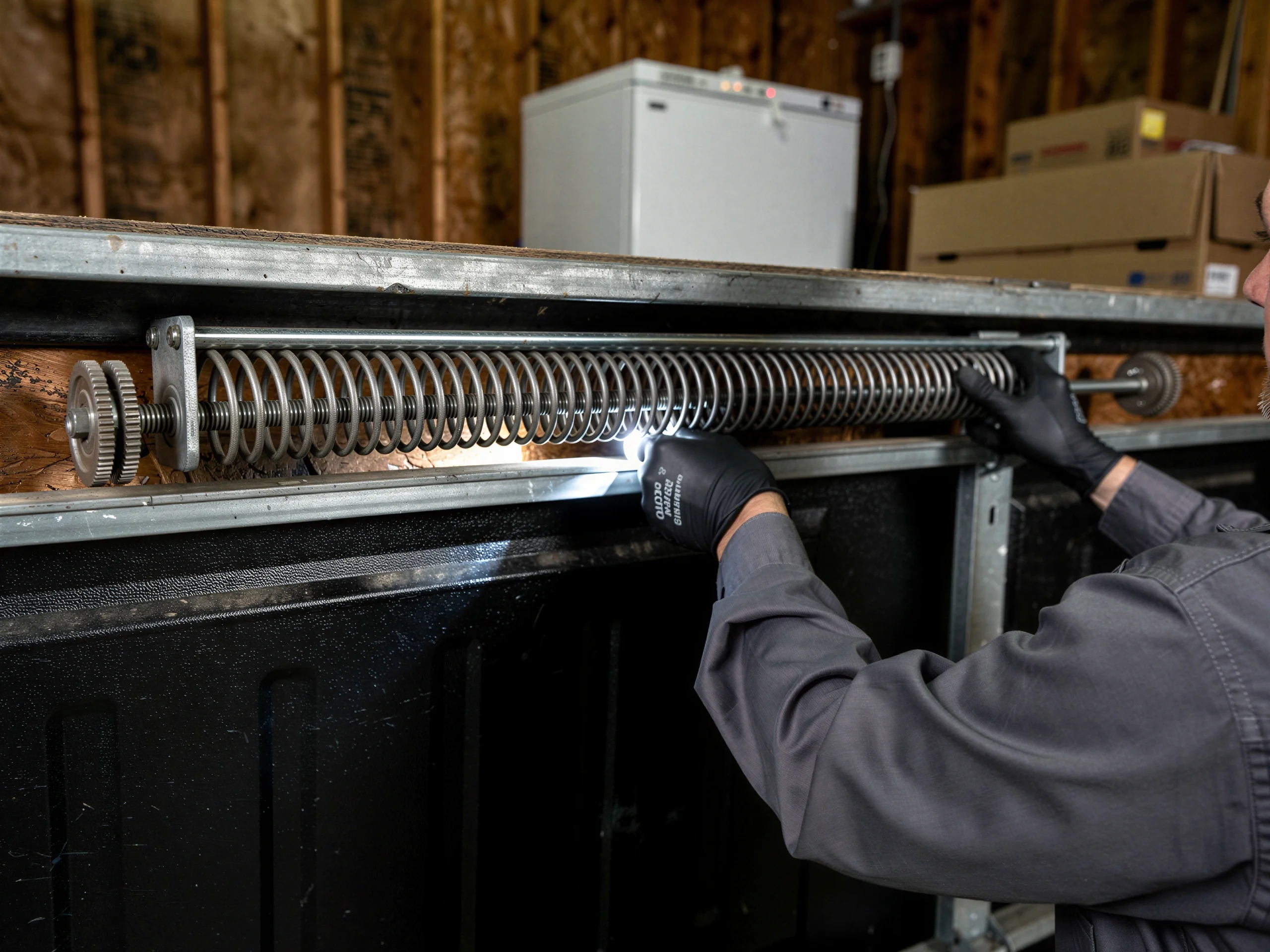
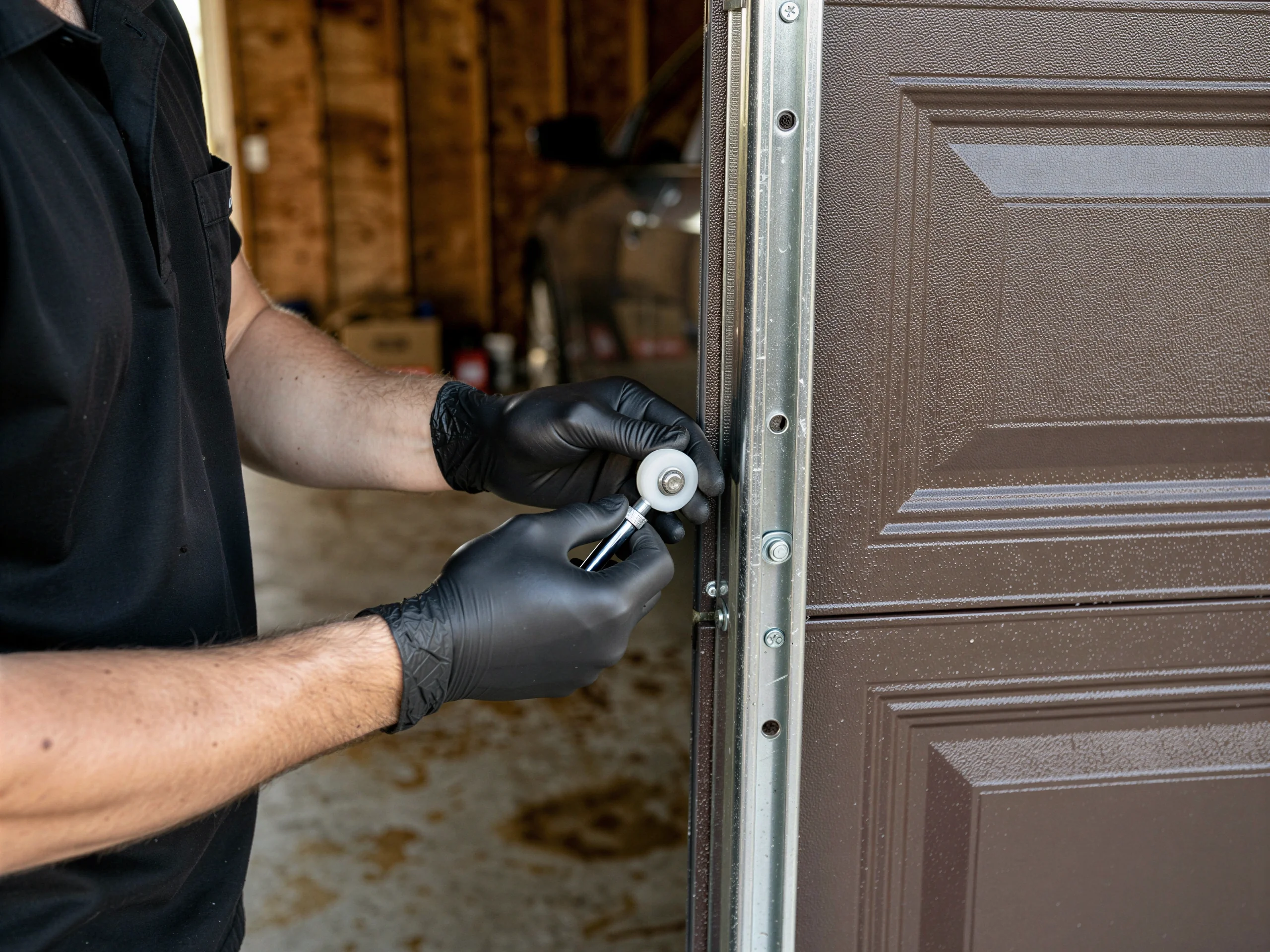
A technician in black gloves replaces a roller on a brown garage door.

Castro Valley, Alameda

Roller Replacement for Castro Valley Garages

Most Castro Valley garages date to the mid-1960s, with original steel rollers on worn track. Alameda Garage Door Pros replaces them, 11 miles from Alameda.

Serving Alameda, CABackground-checked techsHonest, upfront pricingFast local response

Local causes

Why This Fails Locally

Castro Valley has 22,242 households, and most of the garages behind those doors went up around a single build year: 1966. That matters more than the town's size on its own, because a place this size, built in one tight window, means the hardware failing right now is the same hardware across whole blocks at once. A steel roller from a mid-60s door has been riding the same track for close to sixty years, and steel on steel with no sealed bearing wears a groove into the track rail over that much time. Once the groove is there, a new roller dropped into it still binds, because the track is the worn part, not just the roller. This is different from a newer subdivision where doors came in over twenty scattered years and rollers fail one house at a time for no shared reason. Here, the reason is shared: the housing stock itself. We see the same track wear pattern on original steel-roller setups across this part of the service area, which runs from 1938 to 2005 overall but centers hard around the mid-60s in neighborhoods like this one.

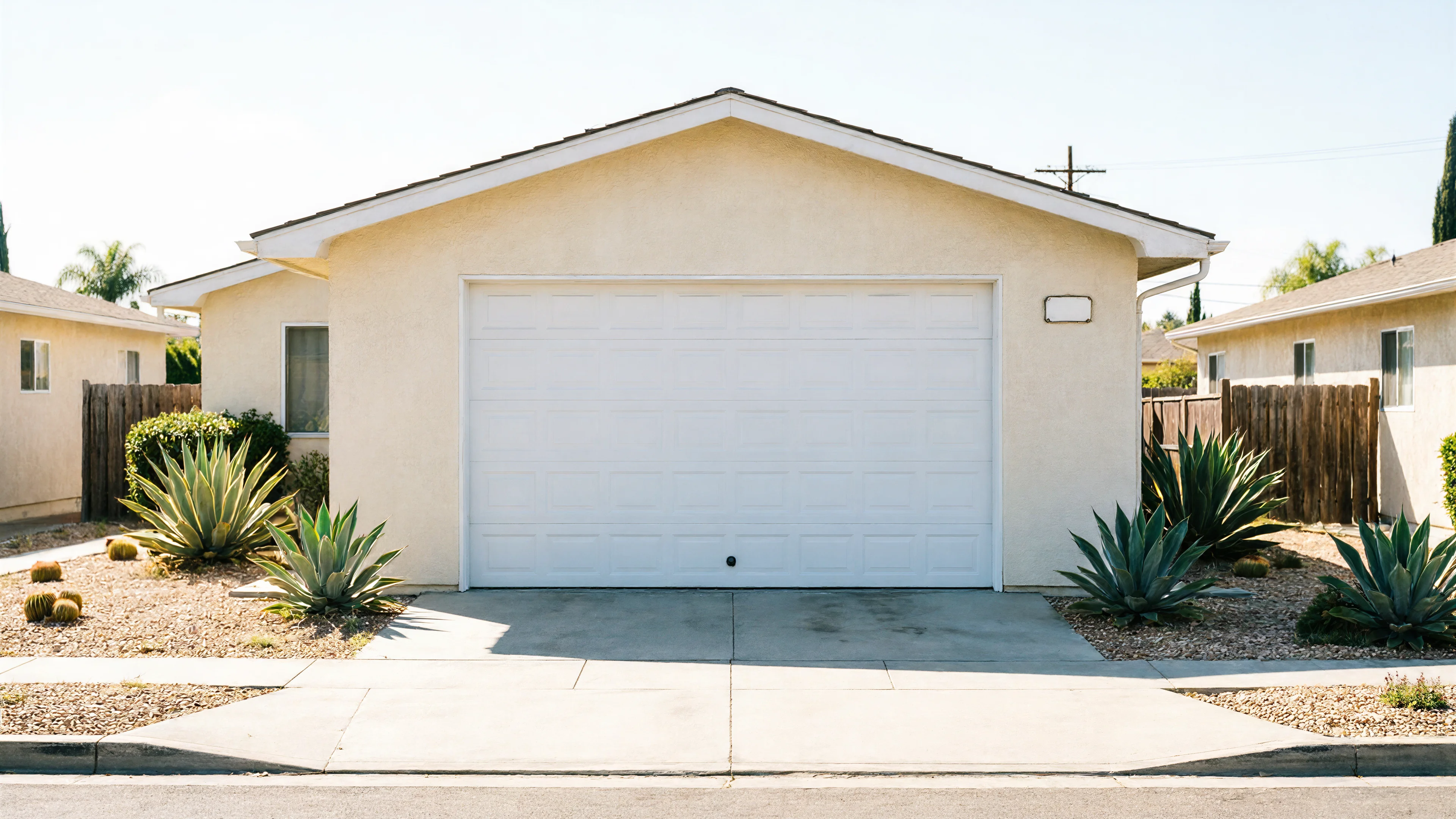
A light yellow house has a white garage door and desert landscaping.

Job timing

Time on the Job

A straight roller swap on a door that still has true, unbent track doesn't take long once we're on site.

Diagnosis takes most time

The time cost in Castro Valley is more often in diagnosis than in the swap itself, because a door this old frequently has more than one thing wrong at once: worn rollers, a track that's drifted out of plumb from six decades of settling, and hinges stretched past spec.

Check all three first

We check all three before we touch a roller, because putting new nylon rollers into a track that's out of alignment just buys you another service call in a year. We're coming from Alameda, 11 miles out, so the job gets scheduled, not walked into same-day - plan for that when you call.

Symptoms

The Symptom

The giveaway on these original setups is a rhythmic grinding or clunking that gets louder as the door moves, not a smooth rumble. Steel rollers with dry or seized bearings don't roll anymore - they drag and chatter against the track, and you'll often see metal shavings or a fine rust-colored dust on the floor near the bottom of the track. If the door also hesitates or jumps at the same spot in its travel every time, that's usually a flat spot worn into one roller, not a track problem. Owners sometimes mistake this for an opener issue and replace the opener first; the opener is rarely the cause on a mid-1960s door with original rollers.

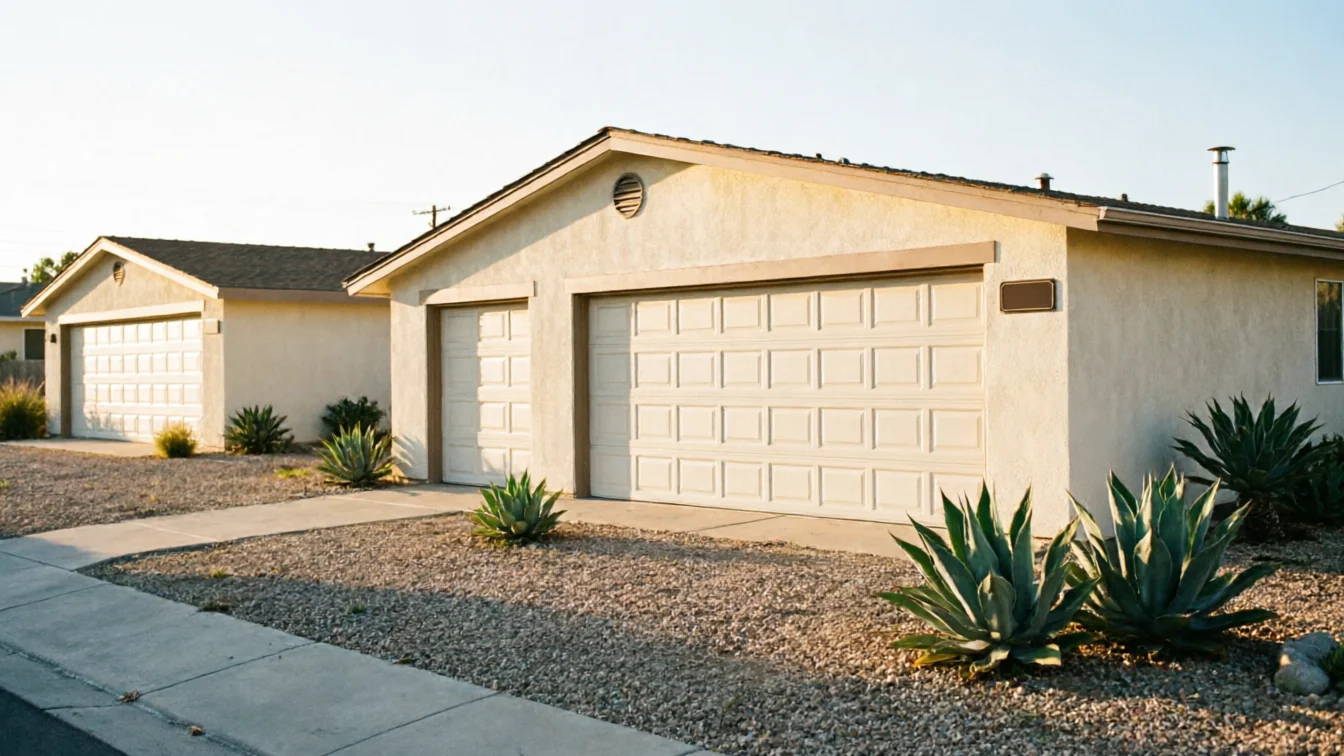
Two houses with tan garage doors and gravel landscaping are visible under a clear sky.

Watch-outs

Where This Job Goes Sideways

The job gets harder, not when the rollers are bad, but when the track itself has worn a visible channel from sixty years of steel contact - new rollers in that track will still catch and bind, and the fix is a track section, not another roller.

Brittle corroded track brackets

We also run into brittle, corroded track brackets on these older installs; the fasteners holding the track to the jamb can shear when you try to loosen them, especially in houses that have never had the hardware serviced.

Bracket replacement called out

We won't force a bracket that's about to fail just to finish a roller job faster - we'll tell you it needs replacing too, which adds a part and some time to the original estimate.

Pricing

What You Pay

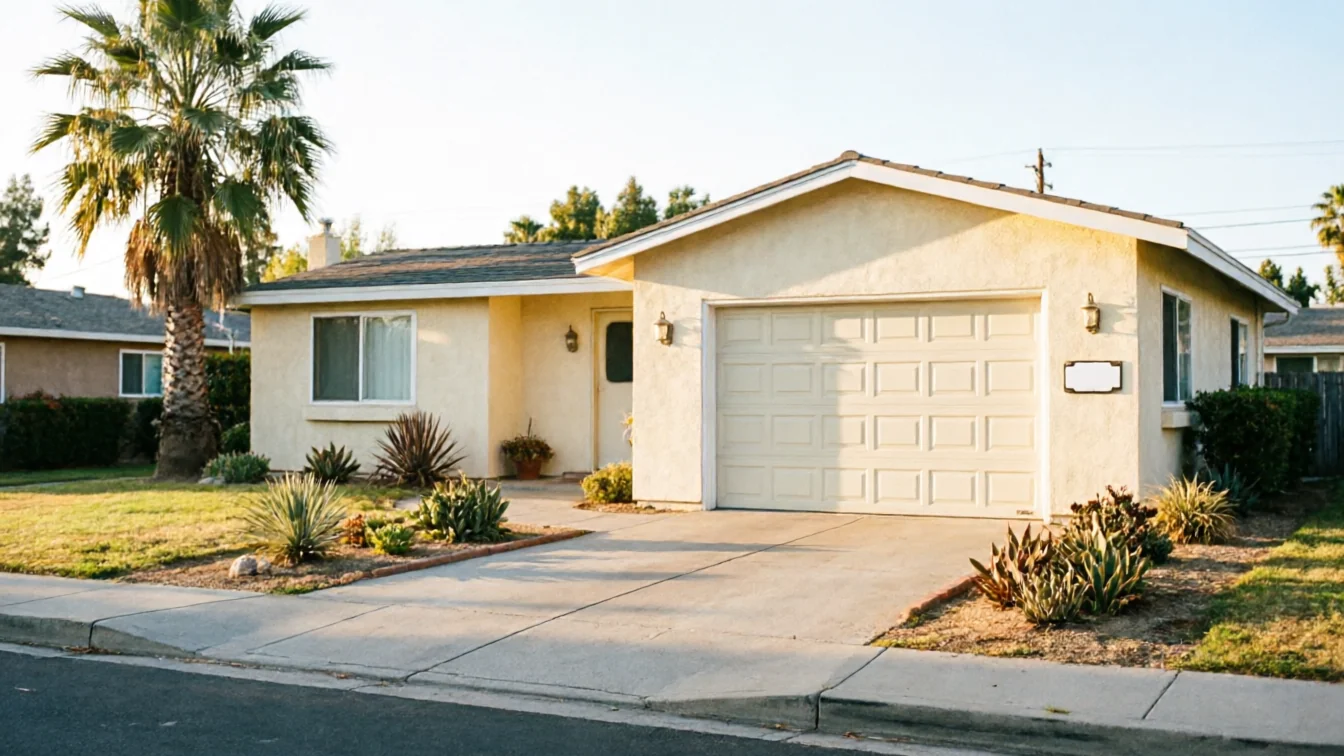
A light yellow house with a white garage door and a palm tree in the front yard.

We don't have a flat roller price to quote here without seeing the track condition, and we're not going to invent one - what a straight nylon-roller swap costs versus a job that also needs track or bracket work are two different numbers, and guessing at either does you no favors. Castro Valley's median household income runs lower than the service area's overall figure of $163,199, which is one more reason we'd rather give you an honest number after we've looked at the door than a quote that grows once we're already there. Ask for the breakdown between roller cost and labor when you call, and we'll separate them.

Questions

Common questions

Why do Castro Valley garages seem to need roller replacement more than newer houses nearby?

Most of the housing here was built around 1966, so a large share of original garage doors are still running the steel rollers and track that came with the house. Steel rollers wear faster than sealed nylon ones, and after close to sixty years that wear shows up as grinding, binding, and worn track grooves all at once.

Can you just swap the rollers without touching the track?

On a door with straight, true track, yes - that's most of the job. On an original mid-1960s setup, the track has often worn a channel from decades of steel contact, and new rollers dropped into that groove will still bind. We check the track before quoting a roller-only job.

Do you have a crew based in Castro Valley?

No. We run out of Alameda, about 11 miles away, and travel to Castro Valley for scheduled jobs. We don't claim a local branch or a same-day guarantee here - factor the drive into when you call.

How do I know if it's the rollers or the opener?

A grinding or clunking noise that scales with the door's speed, plus metal dust near the bottom track, points to worn rollers. If the door hesitates at the exact same spot every single time it runs, that's more often a flat-worn roller than an opener problem - the opener motor itself rarely causes that pattern.

Ready when you are

Noisy or worn garage door rollers in Castro Valley?

Alameda Garage Door Pros repairs and installs garage doors, springs and openers in Alameda, CA and the surrounding area.

Call Now(510) 229-3331