Repair versus end of life
What we can tell you is how the decision tends to break in this town: with median income at $135,909, a repair that costs real money against a unit that's already near the end of its service life often isn't worth it.
South San Francisco, Alameda
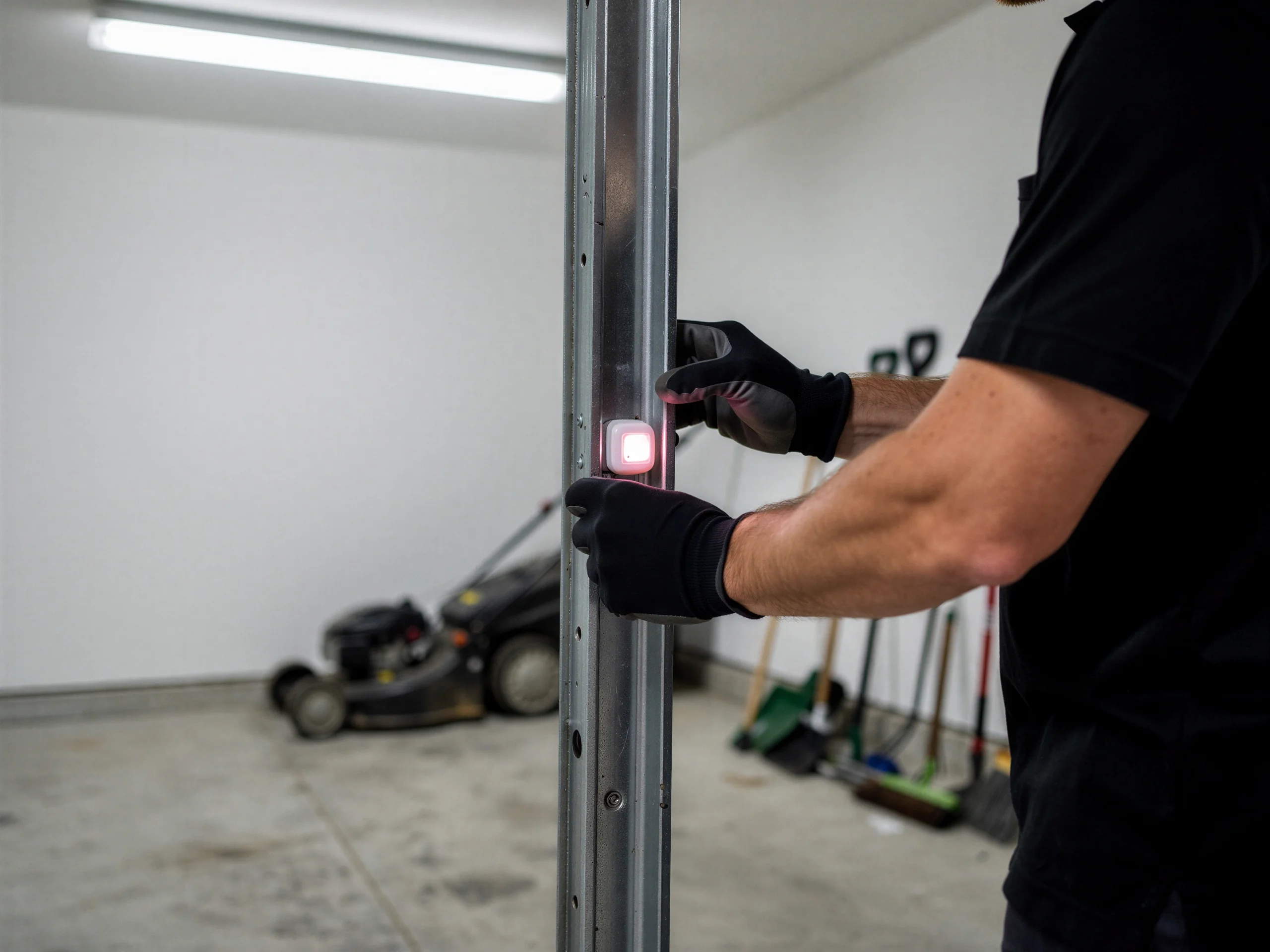
South San Francisco sits nine miles from our Alameda shop, with homes built around 1963 and openers often original - we repair chain drives and worn gears.
Local causes
South San Francisco's median household income runs $135,909 - about $27,000 below the $163,199 average across the rest of the service area we cover from Alameda. That gap shows up the moment an opener quits: it's usually where the call lands between fixing the unit and swapping it for a new one.
The houses behind that number matter too. Most of this town went up around 1963, right in the middle of the 1938-2005 build window across the wider area, and a lot of those garages still run openers that are original or close to it. Chain-drive units from that era use steel gears that were never meant to run sixty years. When they fail, it's almost always the same part: a stripped motor gear, a worn drive screw, or a logic board that's seen one too many power blips.
The mild coastal climate here doesn't put much thermal stress on an opener the way a hot inland garage would. That's actually part of the problem - these units don't fail from heat, they just wear out slowly from age and use, which means a lot of owners keep running a unit well past the point where parts are still easy to find.
Pricing
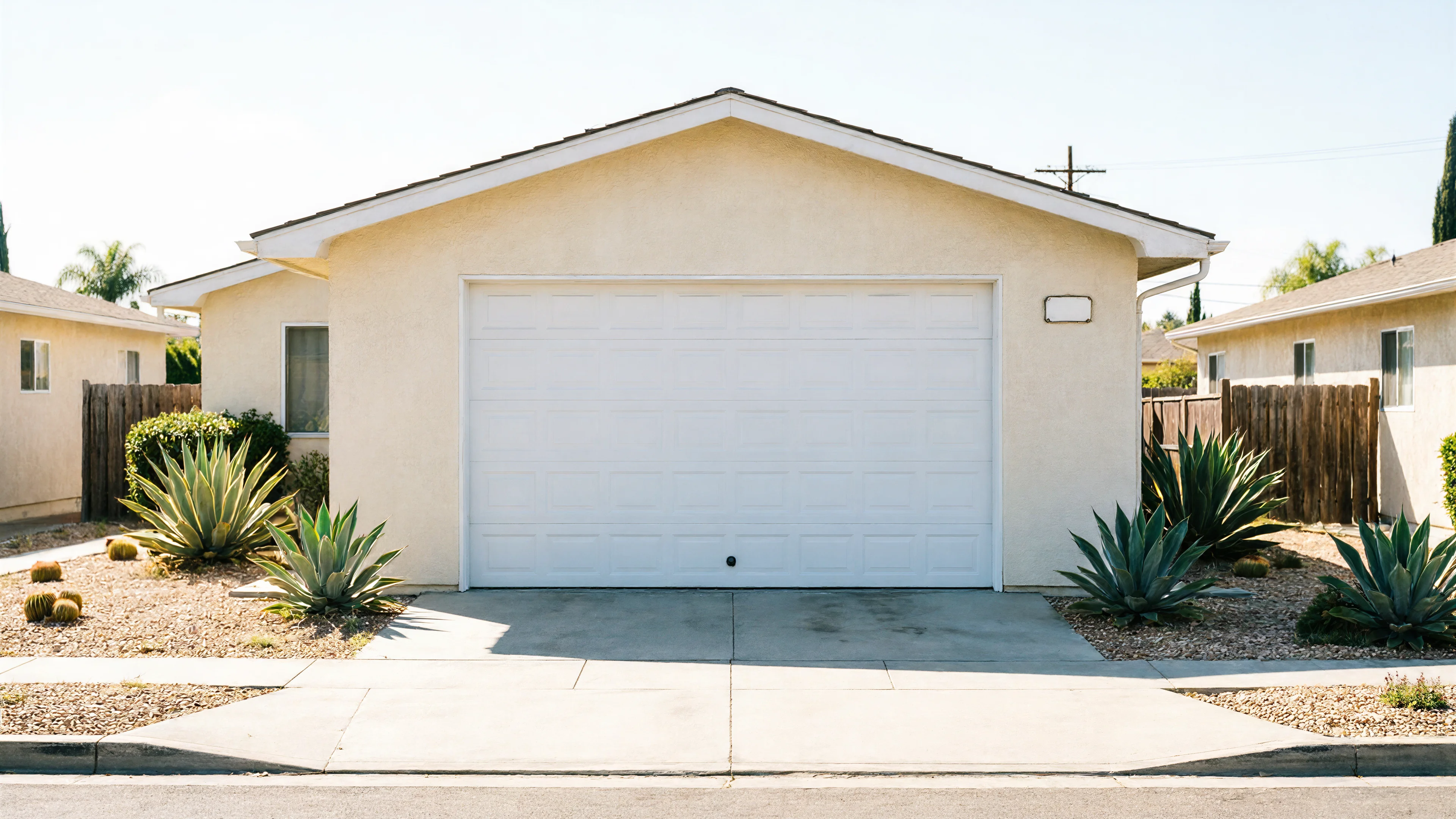
We don't post a flat price for opener repair here because the fix depends on what's actually broken - a logic board, a drive gear, a capacitor, or a motor that's simply done.
What we can tell you is how the decision tends to break in this town: with median income at $135,909, a repair that costs real money against a unit that's already near the end of its service life often isn't worth it.
If the opener is a 1960s-era chain-drive carryover, parts can be hard to source, and in that case replacement is usually the honest answer rather than another repair bill. If it's a newer belt or screw-drive unit with one failed part, repair almost always makes sense first.
We won't quote a number sight unseen, and we won't talk you into a repair on a unit that's going to need another one in six months. That's the limitation worth knowing up front: some of these old units just aren't repair candidates anymore, no matter how badly you'd rather not replace them.
Job timing
We run this job out of Alameda, nine miles from South San Francisco, so the drive is part of the schedule before any work starts.
That distance is why we book opener calls here rather than treating them as a same-day drop-in - we plan the route, not promise a window we can't hold. Once we're on site, how long the actual repair takes depends on what we're dealing with.
A worn drive gear or a burned capacitor is a straightforward swap. A logic board replacement on an older chain-drive unit takes longer if the matching board isn't something we carry on the truck, since boards for 1960s-era openers aren't stocked the way current models are.
We diagnose first, explain what we found, and then do the work - we don't pull a door apart on a guess. For households across the wider service area's 172,438 owner-occupied houses, that diagnose-then-fix order is the same every time, but the parts on hand for a unit this age are the variable that actually sets the clock here.
Symptoms
The calls we get from this part of town tend to sound alike: the opener runs but the door won't fully close, or it closes and reverses halfway up for no clear reason.
On a unit old enough to match the 1963 median build year here, that's almost always a worn gear losing its grip under load, not a door problem. Other common ones: the remote works from ten feet but not from the driveway, which usually means a weakening receiver board rather than a dead battery.
Or the opener runs the motor but the trolley doesn't move - a snapped drive screw or stripped sprocket, the kind of part that fails quietly after decades of the same up-and-down cycle.
What we don't see much of here is failure from heat or cold, given the mild year-round climate. These are wear failures on old hardware, plain and simple, and the fix is almost never about chasing a mystery - it's replacing the one part that finally gave out.
Questions
Depends on the part that failed. A worn gear or bad capacitor is usually a straightforward repair even on an older unit. A dead logic board on a 1960s-era chain-drive opener is a different story - those boards are often discontinued, and replacement of the whole unit makes more sense than hunting for a part that's hard to find.
That's almost always a weakening receiver board inside the opener head, not the remote's battery. It's common on units that have been running for decades, which describes a lot of openers in houses built around 1963 in this town.
We work this town from our Alameda shop, nine miles away, so we schedule the visit rather than promise a same-day window. Once we're on site, most straightforward repairs - gears, capacitors, sensors - are done in a single visit.
If it's a single worn part on a newer belt or screw-drive unit, repair first. If it's an original chain-drive opener from the 1960s build era common here, parts are harder to source and replacement is often the better value, especially weighed against this area's median income.
Explore more
Ready when you are
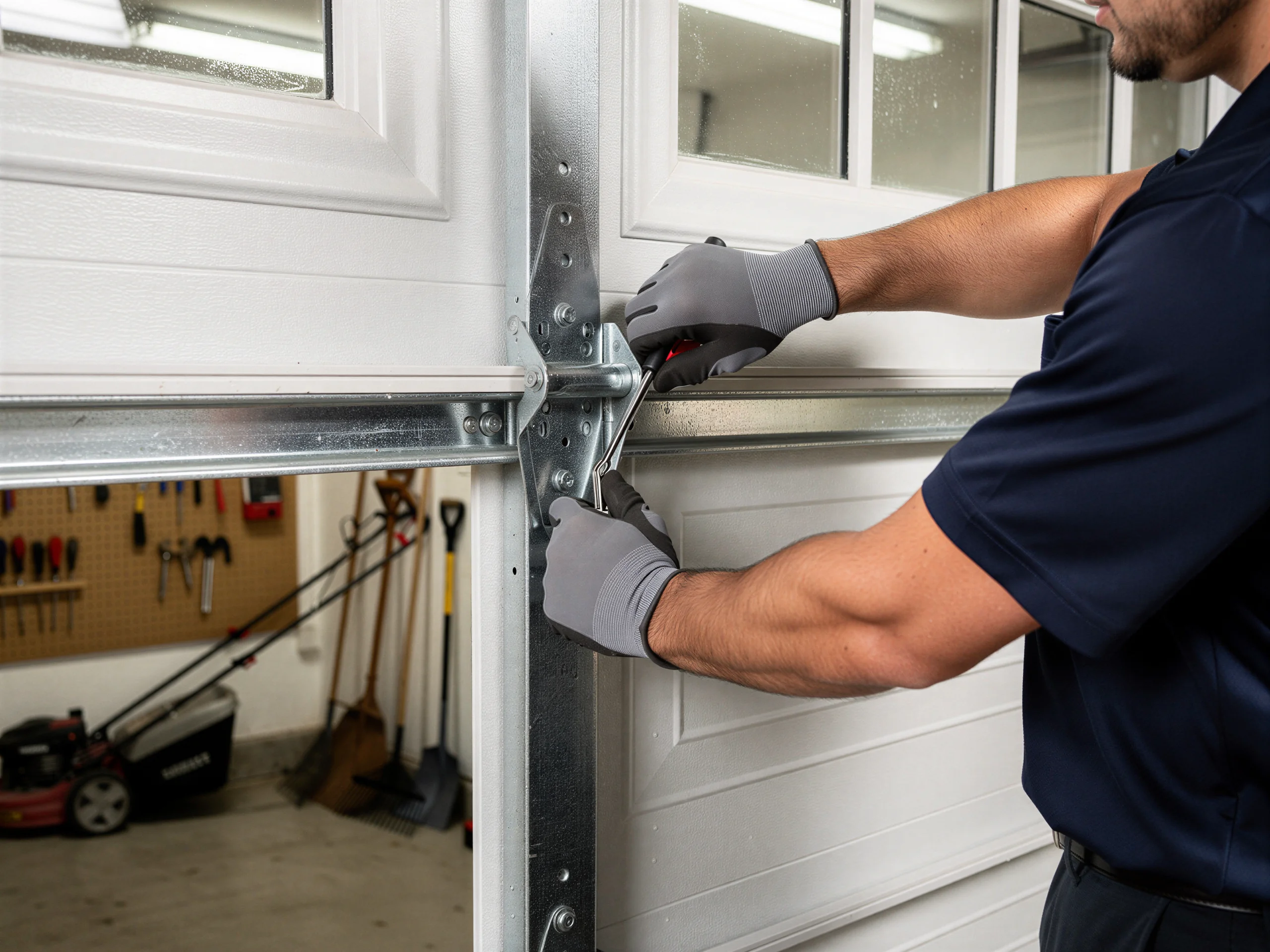
Alameda Garage Door Pros repairs and installs garage doors, springs and openers in Alameda, CA and the surrounding area.